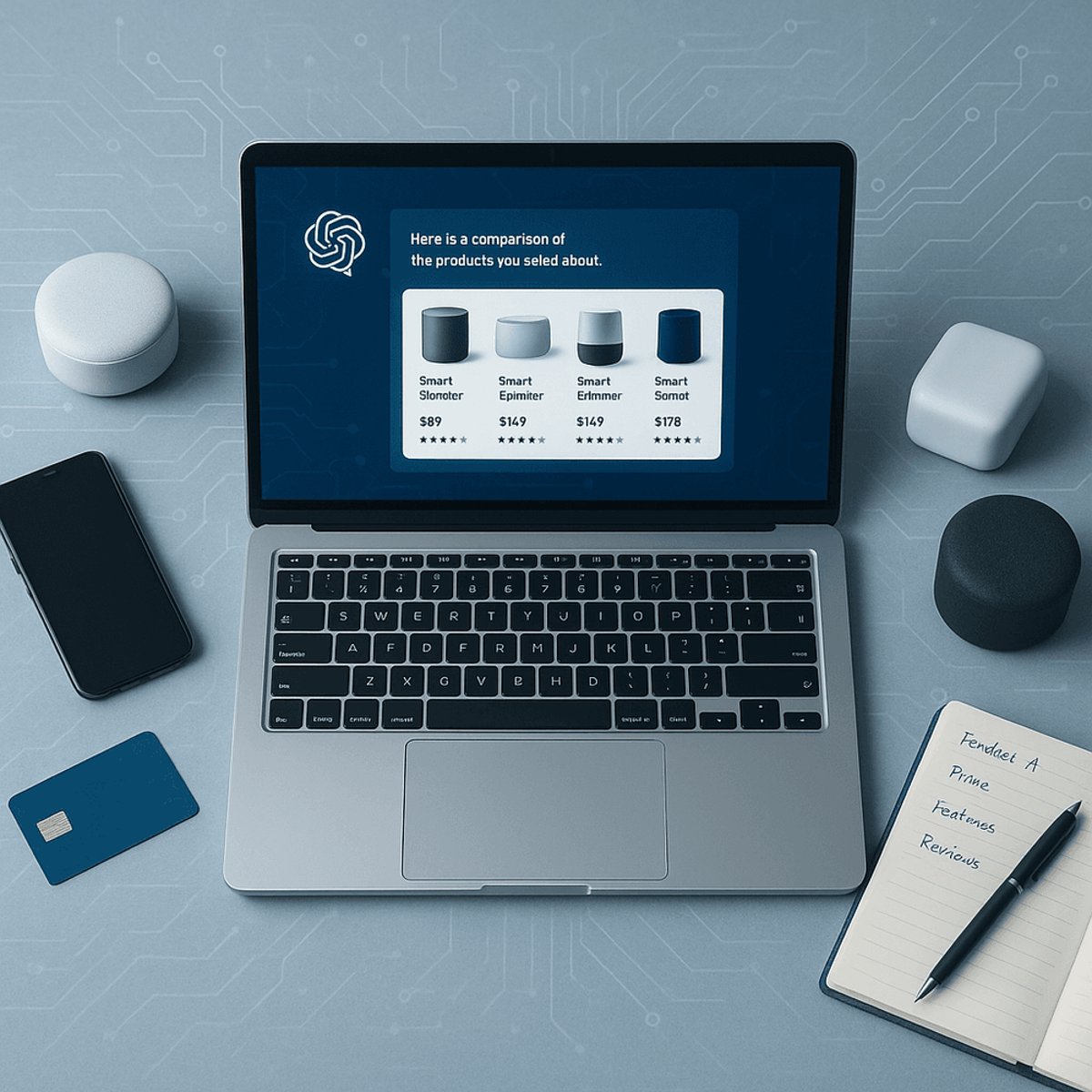
OpenAI just dropped a shopping research tool that transforms ChatGPT into your personal buying advisor. The feature generates detailed product guides with comparisons, pricing, and retailer info – putting the AI giant on a collision course with Google Shopping and Amazon's recommendation engine right before Black Friday.
OpenAI is making its biggest play yet for your wallet. The company quietly rolled out a "shopping research" tool Monday that turns ChatGPT into something Amazon and Google should be worried about – an AI-powered shopping assistant that actually thinks before it recommends.
The timing couldn't be more strategic. As consumers gear up for holiday spending, OpenAI is positioning itself as the smart middleman between shoppers and retailers. Ask ChatGPT to "find the quietest cordless stick vacuum for a small apartment" and the new tool automatically kicks in, spending several minutes crafting detailed guides that compare top products, highlight key differences, and pull the latest pricing from retailers.
This isn't your typical AI chatbot spitting out generic lists. Users can customize recommendations based on budget, specific features, and who they're shopping for. The system promises organic results pulled from publicly available retail sites – no pay-to-play recommendations skewing the results.
"We're seeing a fundamental shift in how people want to research purchases," according to OpenAI's blog post announcing the feature. The company acknowledges the tool might make mistakes with pricing and availability, but that honesty feels refreshing in an era of algorithmic black boxes.
The move builds directly on OpenAI's September launch of Instant Checkout, which let ChatGPT users buy products from select merchants without leaving the chat interface. Now the company's creating a complete pipeline – research, compare, and purchase – all within ChatGPT. Shopping research users will eventually be able to complete purchases through Instant Checkout, OpenAI confirmed Monday.
This puts OpenAI in direct competition with Google Shopping's AI-powered recommendations and Amazon's increasingly sophisticated product discovery algorithms. While those services optimize for their own ecosystems, OpenAI is betting on neutrality – no inventory to push, no ad revenue to maximize.
The feature rolls out to all ChatGPT users – Free, Go, Plus, and Pro tiers – who are logged in. That's potentially millions of users getting access to what amounts to a personal shopping consultant that doesn't work on commission.
For retailers, this represents both opportunity and threat. OpenAI promises not to share user chat data with merchants, maintaining privacy while potentially driving qualified traffic to retail sites. But it also means another intermediary between brands and customers, potentially commoditizing products by focusing purely on features and value.
The e-commerce implications extend far beyond holiday shopping. As AI assistants become more capable of complex research tasks, they're positioning themselves as the new search engines for specific verticals. OpenAI's shopping tool could be a preview of AI-powered research assistants for everything from healthcare decisions to financial products.
What makes this particularly interesting is the user experience. Instead of scrolling through endless product listings and reviews, shoppers get synthesized recommendations tailored to their exact needs. It's the kind of personalized service high-end retail associates provide, now available 24/7 through a chat interface.
OpenAI's shopping research tool represents more than just another ChatGPT feature – it's a direct challenge to how we discover and buy products online. By combining neutral recommendations with seamless purchase capabilities, the company is betting that consumers want intelligence over inventory, curation over commerce. Whether this reshapes online shopping or simply adds another layer of complexity remains to be seen, but one thing's clear: the AI wars just expanded into your shopping cart.