Meta is making an unprecedented move into electricity trading to accelerate power plant construction for its AI data centers. The company is seeking federal approval to buy and resell electricity on wholesale markets, joining Microsoft in this strategy while Apple has already secured similar permissions. This marks a fundamental shift as tech companies become direct players in America's power grid infrastructure.
Meta just crossed a line that transforms it from a tech company into an energy trader. The move, revealed in Bloomberg reports, shows how desperately Big Tech needs power for AI ambitions.
The company is asking federal regulators for permission to trade electricity on wholesale markets, joining Microsoft in this unprecedented strategy. Apple already secured these trading rights, making it clear that tech's biggest players are reshaping America's energy landscape.
"Power plant developers want to know that the consumers of power are willing to put skin in the game," Meta's head of global energy Urvi Parekh told Bloomberg. Her comments reveal the chicken-and-egg problem strangling AI infrastructure development.
Here's how it works: Meta wants to make massive, long-term commitments to buy electricity from new power plants. But to hedge that enormous financial risk, they need the ability to resell excess power on wholesale markets when demand fluctuates. It's essentially becoming an energy middleman to guarantee new power plants get built.
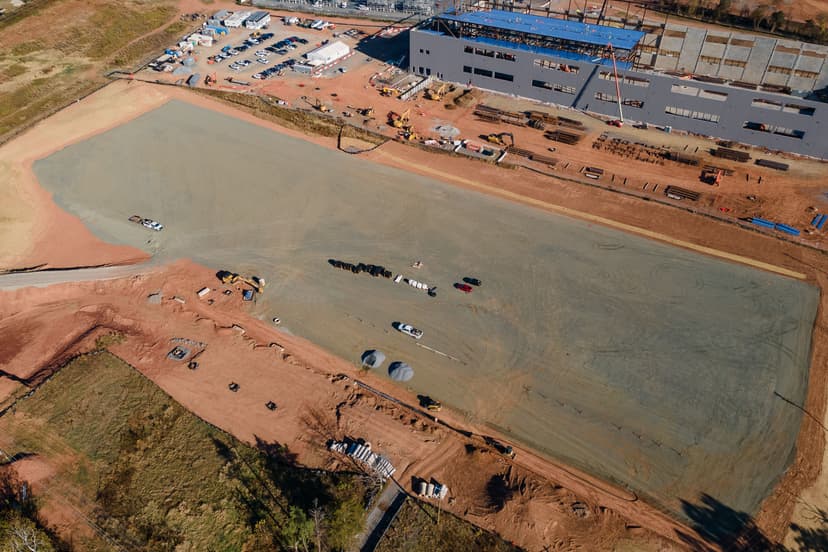
The numbers behind this strategy are staggering. Meta's Louisiana data center campus alone will require at least three new gas-powered plants, according to the Bloomberg report. That's just one facility among dozens Meta is planning globally.
"Without Meta taking a more active voice in the need to expand the amount of power that's on the system, it's not happening as quickly as we would like," Parekh explained. The admission is telling - traditional utility companies aren't building fast enough for AI's explosive energy demands.
This represents a fundamental shift in how America's power grid operates. Tech companies are becoming utilities themselves, bypassing traditional energy procurement entirely. Amazon has already started buying entire data centers directly from nuclear plants, while Google is signing massive renewable energy deals.
The regulatory approval process puts these tech giants in direct competition with traditional energy traders and utilities. They're not just buying power anymore - they're actively participating in regional transmission organizations and wholesale electricity markets.
Investors are taking notice. Energy infrastructure stocks have surged this year as Wall Street recognizes that AI computing requires entirely new power generation capacity. The traditional grid simply can't handle the concentrated loads that modern AI data centers demand.
What makes this particularly strategic is timing. New power plants take 3-5 years to build, while AI model training is accelerating rapidly. By entering electricity trading now, Meta is essentially pre-purchasing the energy infrastructure it'll need for next-generation AI systems.
The move also signals that Big Tech sees AI computing as a permanent, massive energy consumer rather than a temporary spike. Companies don't restructure into entirely new industries unless they're planning for decades of growth.
Meta's push into electricity trading marks a watershed moment where Big Tech stops being just a customer of the power grid and becomes a fundamental part of it. This isn't just about securing energy for AI - it's about tech companies recognizing they need to build the infrastructure that traditional utilities won't or can't provide fast enough. As AI computing demands continue exploding, expect more tech giants to follow Meta's lead in becoming energy traders, fundamentally reshaping how America generates and distributes power.