The Pentagon just signaled a major shift in military logistics, awarding study contracts to Anduril and Blue Origin to explore orbital cargo transport. The $2.37 million in combined contracts may be small, but they could revolutionize how the Defense Department moves critical supplies worldwide within an hour.
The Pentagon just handed Anduril and Blue Origin the keys to potentially transform military logistics forever. The two companies landed study contracts under the U.S. Air Force Research Laboratory's Rocket Experimentation for Global Agile Logistics program, with Blue Origin securing $1.37 million and Anduril grabbing $1 million according to TechCrunch's exclusive reporting.
While the dollar amounts seem modest, these contracts represent something far more significant: the Pentagon's serious push toward "delivery as a service" via orbital transport. The Air Force wants to contract these capabilities like it does commercial airlines, enabling cargo drops to remote or hostile theaters in under an hour.
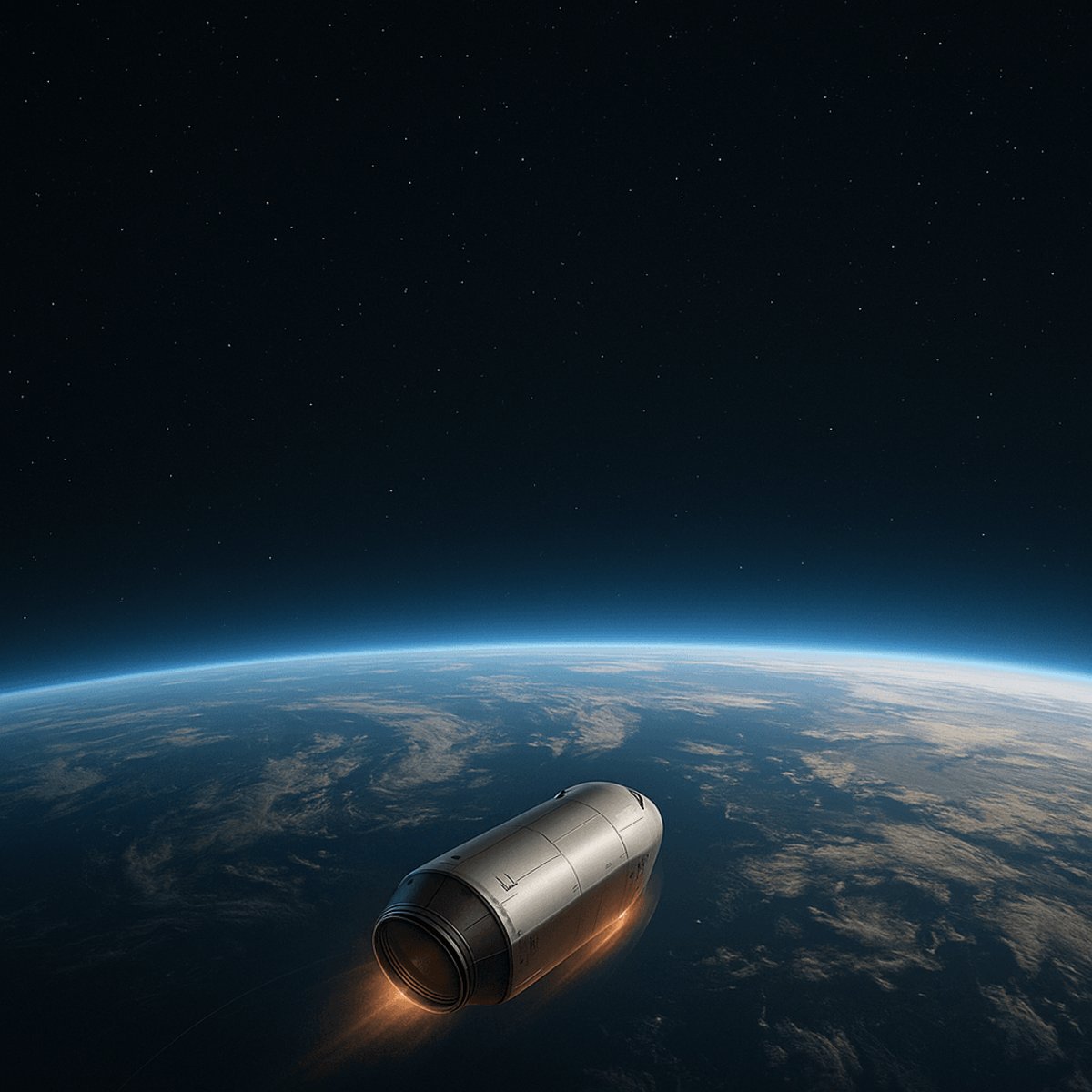
Anduril's involvement marks a fascinating pivot for the defense startup, which built its reputation on AI-powered border surveillance and autonomous weapons systems. Now the company's diving into an entirely new business vertical: space logistics. According to contract documents on SAM.gov, Anduril will study developing reentry containers capable of carrying 5 to 10 tons of payload from orbit back to Earth.
The technical challenge is immense. Reentry remains one of spaceflight's most punishing problems, requiring materials that can survive atmospheric burning while protecting delicate cargo inside. Currently, only a handful of players have cracked this code: SpaceX with its Dragon capsule, startup Varda Space Industries with manufacturing-focused reentry vehicles, and precious few others.
Blue Origin's contract focuses on "point-to-point material transportation" analysis, leveraging work from its Merritt Island facility where the company's developing its heavy-lift New Glenn rocket. The timing aligns perfectly with New Glenn's expected operational debut, positioning Blue Origin to offer end-to-end orbital logistics services.
The broader REGAL program represents the Pentagon's experimental arm for proving commercial rockets and reentry systems can handle military cargo delivery. "The Air Force wants to procure these capabilities via service-type contracts, similar to how the DoD contracts commercial airlines," according to AFRL documentation. The ultimate vision: massive payloads riding commercial heavy rockets, then returning to Earth in protective capsules for rapid offload.
Rocket Lab already secured its own REGAL contract earlier this year, complete with flight demonstration requirements, though the Air Force hasn't disclosed financial details. The company joins an exclusive club of defense contractors exploring what could become a multi-billion dollar market.
Industry insiders view these study contracts as critical early indicators of which players will compete for larger Pentagon logistics funding. The Defense Department's traditionally conservative procurement process means today's million-dollar studies often become tomorrow's billion-dollar programs.
The geopolitical implications are staggering. Imagine Pentagon logistics that don't depend on vulnerable supply chains, forward-deployed bases, or allied airspace permissions. Orbital cargo transport could deliver critical supplies anywhere on Earth within an hour, completely reshaping military strategy and power projection capabilities.
Long-term, AFRL envisions the program expanding beyond cargo to include point-to-point human transportation, essentially creating a military space taxi service. The technology could revolutionize not just defense logistics but emergency humanitarian aid, disaster response, and commercial shipping.
For Anduril, this represents a bold expansion beyond its AI-first defense portfolio. The company's betting it can apply the same rapid innovation approach that disrupted border security to solve orbital reentry challenges. Success here could establish Anduril as a major space logistics player alongside its growing autonomous systems business.
These seemingly modest contracts signal the Pentagon's serious commitment to revolutionizing military logistics through space-based delivery systems. While Anduril and Blue Origin face immense technical challenges in orbital reentry and cargo protection, success could establish them as pioneers in a market that fundamentally reshapes both defense strategy and commercial space applications. The real test comes when these studies graduate to full-scale demonstrations and operational contracts.