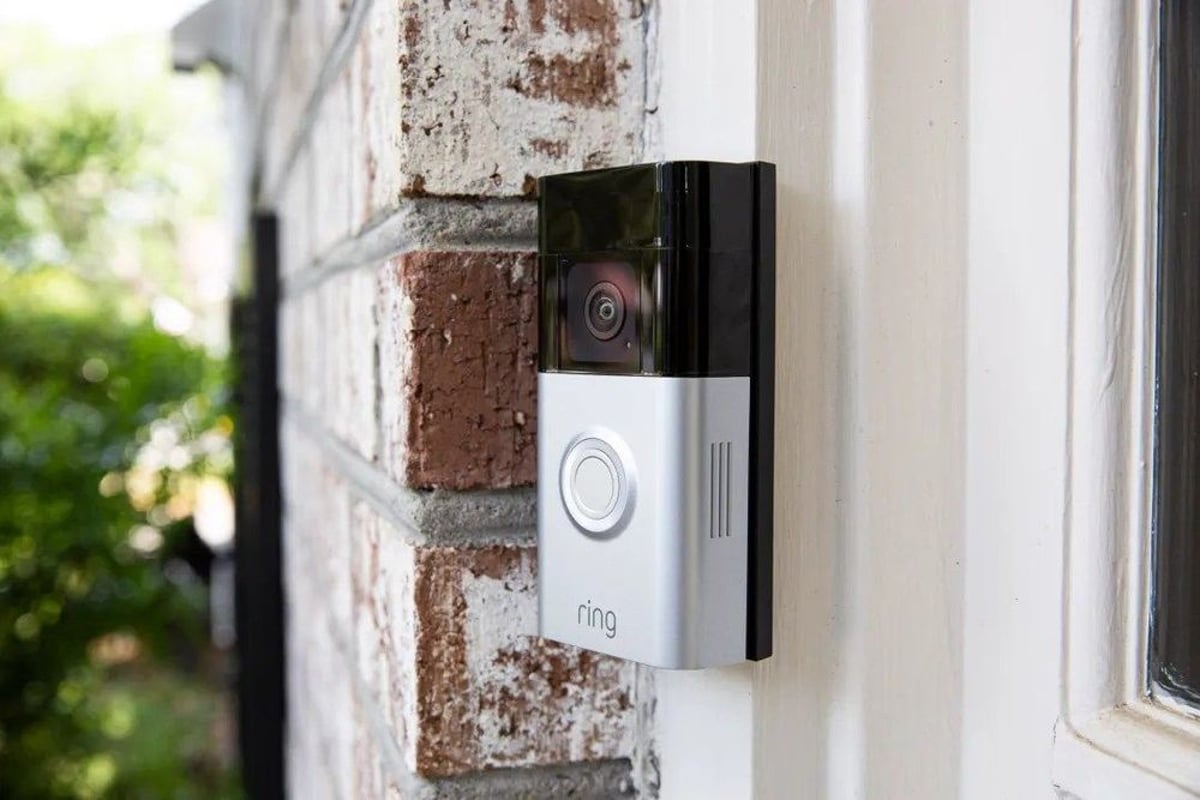
Ring is scrambling to contain a grassroots revolt as activists across TikTok and Bluesky urge users to smash their doorbells. The panic? A partnership with Flock Safety, an AI surveillance firm that's reportedly given ICE access to its nationwide camera network. While Ring insists it's not sharing footage with immigration authorities, the backlash exposes growing anxiety about how home security data moves beyond consumer control once law enforcement gets involved.
Amazon-owned Ring just walked into a surveillance firestorm. The company's October partnership with Flock Safety, an AI-powered camera network that's become a favorite of local police departments, is now fueling a digital uprising. Influencers are literally telling people to destroy their Ring doorbells, convinced the devices are feeding footage directly to Immigration and Customs Enforcement.
Ring spokesperson Yassi Yarger fired back quickly. "Ring has no partnership with ICE, does not give ICE videos, feeds, or back-end access, and does not share video with them," she told The Verge. But the denial hits differently when you understand what Flock actually does. According to reporting from 404 Media, Flock has allowed government agencies, including ICE, to tap into data from its nationwide camera system.
The Flock deal was supposed to streamline Ring's Community Requests feature, which lets local law enforcement ask nearby Ring users for footage during active investigations. It's essentially a rebrand of Ring's controversial Request for Assistance program that got shut down in 2024 after privacy advocates raised hell. Instead of direct police partnerships, Community Requests now routes through third-party platforms like Flock and Axon, the Taser and body-cam company.
Here's where it gets messy. Yarger confirmed the Flock integration isn't actually live yet, meaning Flock currently has zero access to Community Requests. Only the Axon partnership is operational right now. But that hasn't stopped the backlash from metastasizing across social media. Futurism reports activists are running coordinated campaigns on TikTok and Bluesky, warning users their doorbell footage could end up in federal databases.
The timing couldn't be worse for Ring founder Jamie Siminoff, who returned to the company last year with a renewed mission to blanket neighborhoods in cameras. His pitch? More surveillance equals safer communities. He's told The Verge he genuinely believes widespread camera adoption prevents crime. But once that footage enters the law enforcement ecosystem, Ring loses control of where it goes next.
And that's the real issue buried beneath the ICE panic. Even if Ring never directly shares with federal agencies, the company can hand over footage to local police without a warrant if it deems the situation an emergency, according to its own legal guidelines. Once that video sits in a local police department's evidence management system, connected to platforms like Flock, the barrier between your doorbell and federal access starts looking pretty thin.
Ring's support site specifies that Community Requests only go to city and county organizations, not federal agencies. But as Siminoff himself has acknowledged, once footage leaves Ring's servers and lands with local authorities, it's out of the company's hands. The potential for a massive, interconnected local surveillance network to serve broader federal purposes isn't theoretical anymore - it's the exact scenario activists are now organizing against.
Users who want to opt out can disable Community Requests entirely through the Ring or Neighbors app. Navigate to settings, find Neighbors Settings, scroll to Neighborhood Settings, hit Feed Settings, uncheck Community Requests, and apply. The company says no one gets notified if you ignore a request. But there's a more nuclear option: end-to-end encryption.
Enabling E2E in the Ring app means only your enrolled mobile device can view footage. Ring can't see it, police can't request it, and it won't show up in Community Requests. The catch? You lose all the cloud-dependent AI features that made Ring convenient in the first place - person detection, rich notifications with activity snapshots, and Ring's new AI-powered descriptions all require cloud processing.
For users who want to bail on cloud cameras altogether, alternatives are multiplying. Apple's HomeKit Secure Video runs analysis locally on a HomePod or Apple TV, then stores encrypted footage in iCloud. Eufy offers local storage and processing through its HomeBase hardware, though the company stumbled through security breaches in 2022. TP-Link's Tapo, Aqara, and Reolink all launched local hubs recently for processing footage without cloud dependency.
The new Matter standard now supports security cameras, potentially opening more options for keeping footage local and encrypted. But the broader question remains: once you connect any camera to the internet, you're accepting some level of risk that someone beyond you could access it, regardless of what companies promise.
Ring's ICE denial might be technically accurate today, but it misses the larger surveillance infrastructure taking shape. The Flock partnership, even if not yet live, signals how easily home security footage can flow into law enforcement networks that federal agencies already access. For users concerned about where their doorbell videos end up, the tools exist to lock down access - but they come with trade-offs that undermine the convenience Ring built its brand on. The real decision isn't whether Ring is directly sharing with ICE right now. It's whether you're comfortable with your front porch becoming a node in a surveillance system you can't fully control.