RingCentral and Five9 are staging a comeback. The two cloud communications companies saw their stocks rally following earnings reports that quieted investor panic about AI tools destroying their business models. After weeks of brutal selling pressure across the software sector, the results suggest reports of SaaS's death may be greatly exaggerated. It's a critical test case for whether legacy software can coexist with the AI revolution.
The software sector just got a badly needed shot of confidence. RingCentral and Five9, two cloud communications platforms that have been caught in a vicious AI-driven sell-off, posted earnings that sent their stocks surging and challenged the narrative that generative AI will demolish traditional SaaS business models.
For weeks, software stocks have been in freefall. Investors spooked by the rapid advancement of AI agents and coding assistants have been dumping shares of enterprise software companies, betting that tools like OpenAI's advanced models and Google's Gemini will make expensive software subscriptions obsolete. The logic goes that if AI can handle customer service, write code, and automate workflows, why pay for specialized software?
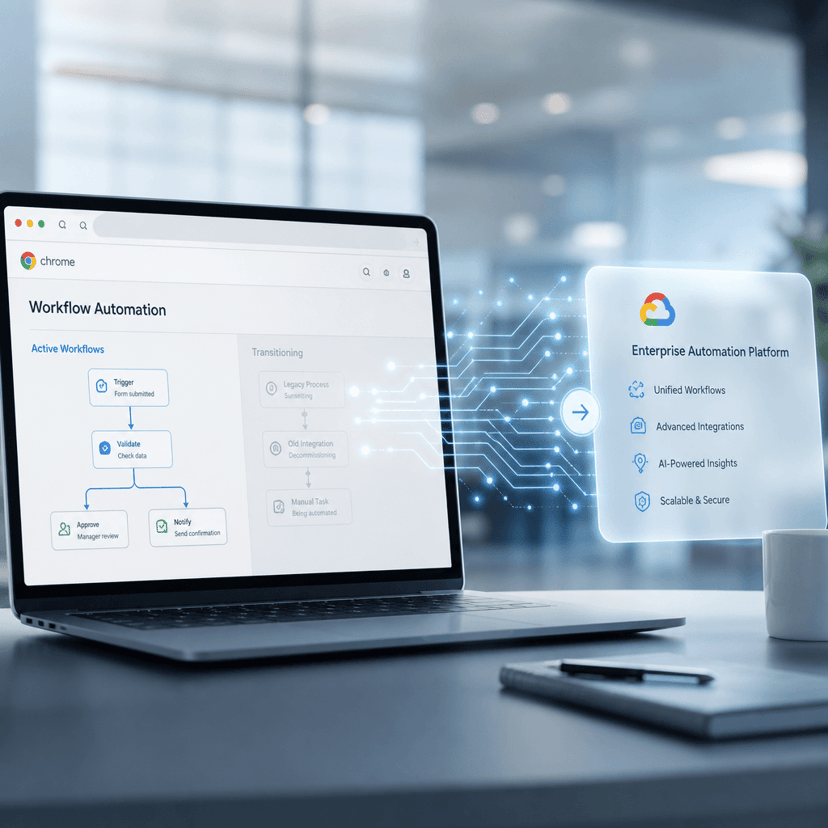
But the earnings reports from RingCentral and Five9 tell a more nuanced story. Rather than being displaced by AI, these companies are embedding AI capabilities into their platforms, potentially making them more valuable rather than redundant. RingCentral has been integrating AI-powered features into its unified communications platform, while Five9 has focused on AI-driven contact center automation that complements rather than replaces its core offering.
The market response was immediate. After touching multi-year lows in recent trading sessions, both stocks rebounded as investors reassessed the AI threat. The rally suggests that Wall Street may have overreacted to the disruption narrative, at least for certain categories of enterprise software.
This comes as the broader software sector faces an existential reckoning. The iShares Expanded Tech-Software Sector ETF has underperformed the broader tech market significantly in recent weeks, with investors rotating out of SaaS names and into AI infrastructure plays like Nvidia. Companies that seemed invincible during the cloud migration wave now find themselves defending their relevance.
What RingCentral and Five9 demonstrate is that integration might trump disruption. Cloud communications platforms have deep enterprise relationships, integration into critical workflows, and switching costs that don't disappear overnight. By incorporating AI features, they can offer customers the best of both worlds - proven reliability with cutting-edge capabilities.
The question now is whether this earnings resilience extends across the software sector. Other SaaS companies reporting in coming weeks will face intense scrutiny about their AI strategies and whether they're adapting fast enough. The market has made clear it won't reward complacency, but it also appears willing to give credit to companies showing they can evolve.
For investors who fled software stocks during the AI panic, these results create a dilemma. The sector's valuation reset has created opportunities, but distinguishing between companies that will successfully navigate the AI transition and those that will fade remains treacherous. RingCentral and Five9 are making the case they belong in the former category.
The broader context matters too. Enterprise software adoption hasn't stalled - companies are still digitizing operations and moving workloads to the cloud. The AI revolution is adding complexity to buying decisions, but it hasn't reversed the fundamental shift toward cloud-based tools. If anything, AI implementation often requires more software infrastructure, not less.
What's emerging is a more sophisticated view of the AI-SaaS relationship. Rather than simple displacement, we're seeing a spectrum of outcomes. Some software will indeed become obsolete, but companies with strong market positions, critical workflows, and aggressive AI integration strategies may actually strengthen their competitive moats. The key is execution and speed.
The RingCentral and Five9 earnings provide a counternarrative to the AI apocalypse story that's been hammering software stocks. While the sector's challenges are real and the disruption threat legitimate, these results show that established players with solid execution can adapt rather than surrender. Investors now face the harder work of separating the survivors from the casualties, company by company and quarter by quarter. The AI revolution won't spare everyone, but it won't destroy everyone either - and that distinction will define the next phase of the software sector's evolution.