Rivian has quietly spent nearly two years developing its own AI assistant, a sophisticated in-vehicle platform that goes far beyond a simple chatbot. The electric vehicle maker plans to reveal more details during its AI and Autonomy Day on December 11, as it pushes deeper into vertical integration while keeping this technology separate from its massive Volkswagen partnership.
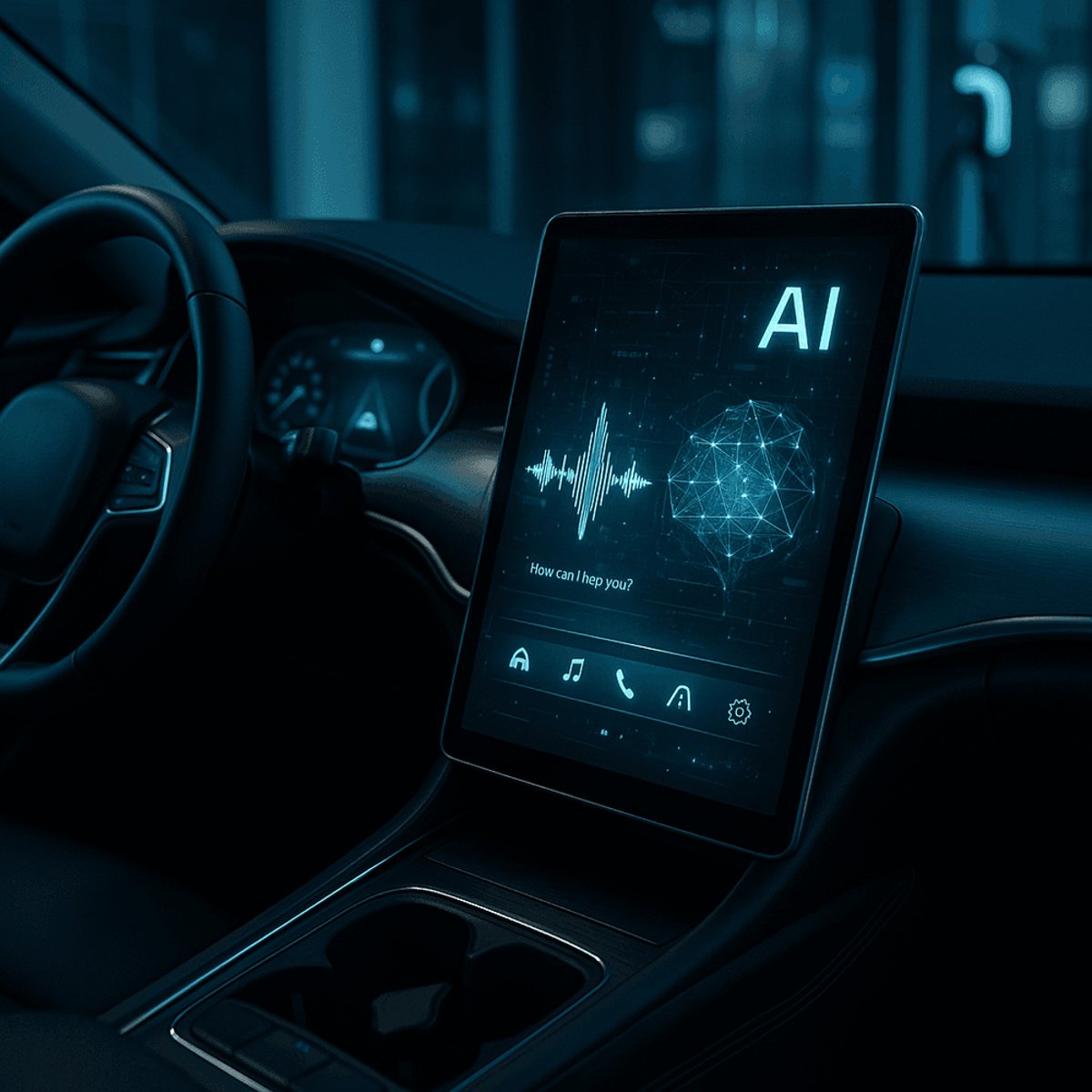
Rivian just dropped a bombshell that's been two years in the making. The electric vehicle maker has been quietly building its own AI assistant from the ground up, and it's not your typical automotive chatbot thrown into a dashboard. This is a full-scale agentic platform designed to integrate with every vehicle control, according to exclusive details shared with TechCrunch.
The timing couldn't be more telling. While Tesla dominates headlines with its Full Self-Driving updates and Mercedes pushes its MBUX system, Rivian has been working in stealth mode on what software chief Wassym Bensaid calls a "model and platform agnostic" architecture. The company targets putting this technology in customers' hands by year-end, with a full reveal planned for its AI and Autonomy Day livestream on December 11.
What sets Rivian's approach apart is the sophisticated hybrid architecture. The system splits workloads between edge AI processing directly in the vehicle and cloud-based computing for more demanding tasks. "We use what the industry loves to now call an agentic framework, but we thought about that architecture since very early so that we can interface with different models," Bensaid told TechCrunch in earlier interviews.
The development team, based out of Rivian's Palo Alto office, built most of the AI software stack in-house, including custom models and what they call the "orchestration layer" - essentially the traffic control system that coordinates multiple AI models working simultaneously. This isn't just voice commands for climate control; it's designed to understand and manage complex vehicle operations while learning driver preferences.
This move aligns perfectly with Rivian's broader vertical integration strategy. The company already overhauled its flagship R1T truck and R1S SUV in 2024, redesigning everything from battery packs to electrical architecture. Now they're building the brain to tie it all together.
But here's where it gets interesting from a business perspective. This AI assistant development runs completely separate from Rivian's massive technology partnership with Volkswagen. The $5.8 billion joint venture focuses on electrical architecture and infotainment systems, but specifically excludes AI assistants and automated driving technology.
That separation suggests Rivian sees its AI capabilities as a core competitive advantage worth protecting. While the VW partnership will supply electrical architecture and software to Volkswagen Group vehicles starting in 2027, Rivian keeps the intelligent layer for itself. "Autonomy and AI are separate for now, but it doesn't mean that it may not be in the future," Bensaid noted, leaving the door open for eventual expansion.
The broader context here is crucial. As foundational AI companies like OpenAI, Google, Microsoft, and Meta accelerate their model development, traditional industries are scrambling to keep pace. Automotive companies face a choice: license existing AI platforms or build their own. Rivian clearly chose the harder path.
This strategy puts Rivian in direct competition with established players. Tesla has been iterating on its AI systems for years, while Mercedes and BMW have partnerships with tech giants. General Motors recently shut down its Cruise autonomous division, highlighting how challenging this space can be.
The financial implications are significant. Building AI systems requires massive upfront investment in talent, infrastructure, and compute resources. Rivian's Palo Alto office houses the AI team, directly competing with Silicon Valley tech companies for the same engineering talent. But if successful, this could become a major differentiator in an increasingly crowded EV market.
What we don't know yet is how this AI assistant will handle privacy concerns, data collection, and the inevitable software updates that come with AI systems. These details will likely emerge during the December 11 livestream, along with concrete examples of how the system actually works in real-world driving scenarios.
Rivian's two-year AI assistant development represents a massive bet on in-house innovation over industry partnerships. By keeping this technology separate from its Volkswagen deal, the company signals that AI capabilities will be core to its competitive strategy. The December 11 reveal will show whether this investment pays off with genuinely differentiated vehicle intelligence or if Rivian has simply built another voice-activated dashboard. Either way, the automotive AI race just got more crowded, and the stakes keep climbing as every major automaker scrambles to avoid being left behind in the software-defined vehicle transition.