Rivian just proved that reports of the EV industry's demise may be premature. The electric vehicle startup posted a 20% year-over-year sales increase in Q1 2026, delivering 10,365 vehicles while production at its Normal, Illinois factory surged 30% to 10,236 units. The results come as the broader EV market faces mounting pressure from policy uncertainty and consumer hesitation, making Rivian's growth trajectory a rare bright spot in an otherwise turbulent sector.
While the EV industry braces for what some analysts are calling a "reckoning," Rivian is accelerating. The California-based startup just dropped Q1 2026 numbers that tell a very different story than the doom-and-gloom narrative gripping the sector. The company delivered 10,365 vehicles in the first three months of the year, a 20% increase from the same period in 2025, according to its production and delivery report.
But the real headline is what's happening on the factory floor. Rivian's Normal, Illinois plant cranked out 10,236 vehicles during the quarter, marking a 30% production increase year-over-year. That's not just growth, it's the kind of manufacturing ramp that signals a company hitting its stride at exactly the moment when rivals are pumping the brakes.
The timing couldn't be more critical. Pure-play EV companies are navigating one of the roughest patches in the industry's short history. Regulatory uncertainty, cooling consumer enthusiasm, and intense competition from legacy automakers have created what industry watchers describe as a perfect storm. Yet Rivian is holding firm on its annual guidance of 62,000 to 67,000 deliveries for 2026, a figure that would represent the company's strongest year on record.
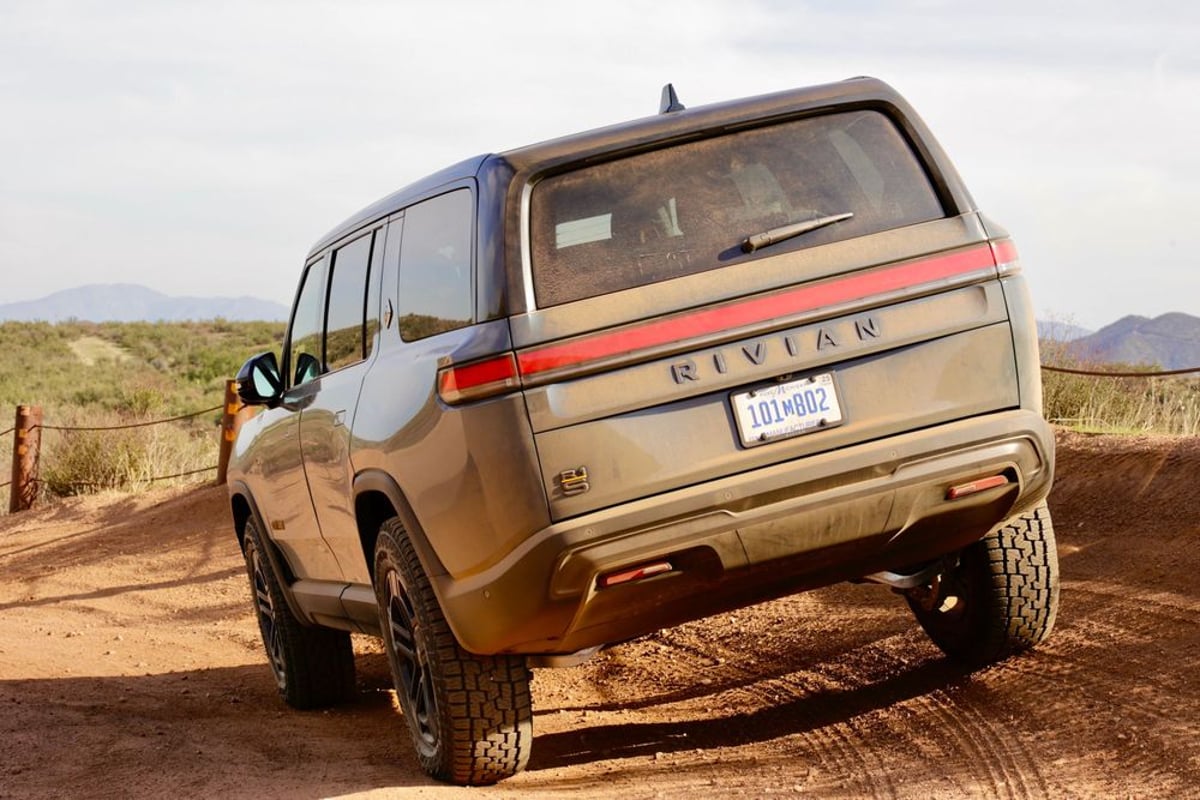
What's driving Rivian's resilience? The answer likely lies in strategic positioning and product timing. The company is preparing to launch its R2 electric SUV, a more affordable entry point designed to expand beyond the premium R1T truck and R1S SUV that established the brand. The R2 represents Rivian's bid to capture a broader market segment, and early interest suggests the strategy may be working.
The Q1 production numbers are particularly telling. A 30% year-over-year manufacturing increase doesn't happen by accident. It reflects supply chain optimization, improved factory efficiency, and the kind of operational maturity that separates sustainable startups from flash-in-the-pan ventures. For a company that's faced its share of production hell stories, these figures mark a significant operational milestone.
But context matters. The EV market isn't just facing headwinds, it's confronting fundamental questions about demand elasticity and market saturation. While Tesla has dominated headlines with price cuts and delivery misses, smaller pure-play competitors have struggled to gain traction. Rivian's ability to post double-digit growth in this environment suggests the company may have found product-market fit in a way that eluded others.
The financial implications extend beyond quarterly deliveries. Rivian remains in growth mode, burning cash to scale production and develop new models. The Q1 performance provides crucial validation for investors betting that the company can reach profitability before capital markets lose patience. Every vehicle delivered moves Rivian closer to the economies of scale needed to turn positive on unit economics.
Industry analysts will be watching whether Rivian can maintain momentum through the year. The R2 launch represents both opportunity and risk. If execution falters or market reception disappoints, the positive Q1 narrative could evaporate quickly. But if Rivian threads the needle, delivering a compelling mass-market EV while maintaining production discipline, the company could emerge as one of the few pure-play survivors in an increasingly consolidated market.
The broader story here isn't just about one startup's quarterly performance. It's about whether there's room for multiple players in the EV ecosystem or if the industry is destined to consolidate around a handful of dominant manufacturers. Rivian's Q1 results suggest that well-executed niche strategies can still win, even when macro conditions turn hostile.
What happens next will depend on execution. Can Rivian scale R2 production without the quality issues that plagued early R1 deliveries? Will consumer demand hold as economic uncertainty persists? And perhaps most critically, can the company continue growing while managing its cash burn rate? The Q1 numbers answer some questions while raising others that will define Rivian's trajectory for years to come.
Rivian's Q1 performance offers a masterclass in countercyclical execution. While competitors retreat and recalibrate, the startup is doubling down on growth, betting that operational excellence and strategic product launches can overcome industry-wide headwinds. The 20% sales increase and 30% production surge aren't just numbers, they're signals that Rivian may have cracked the code on sustainable EV manufacturing at scale. Whether this momentum continues through the R2 launch and beyond will determine if Rivian joins the ranks of enduring automotive brands or becomes a cautionary tale about scaling too fast in a contracting market. For now, the company is writing a different script than most expected.