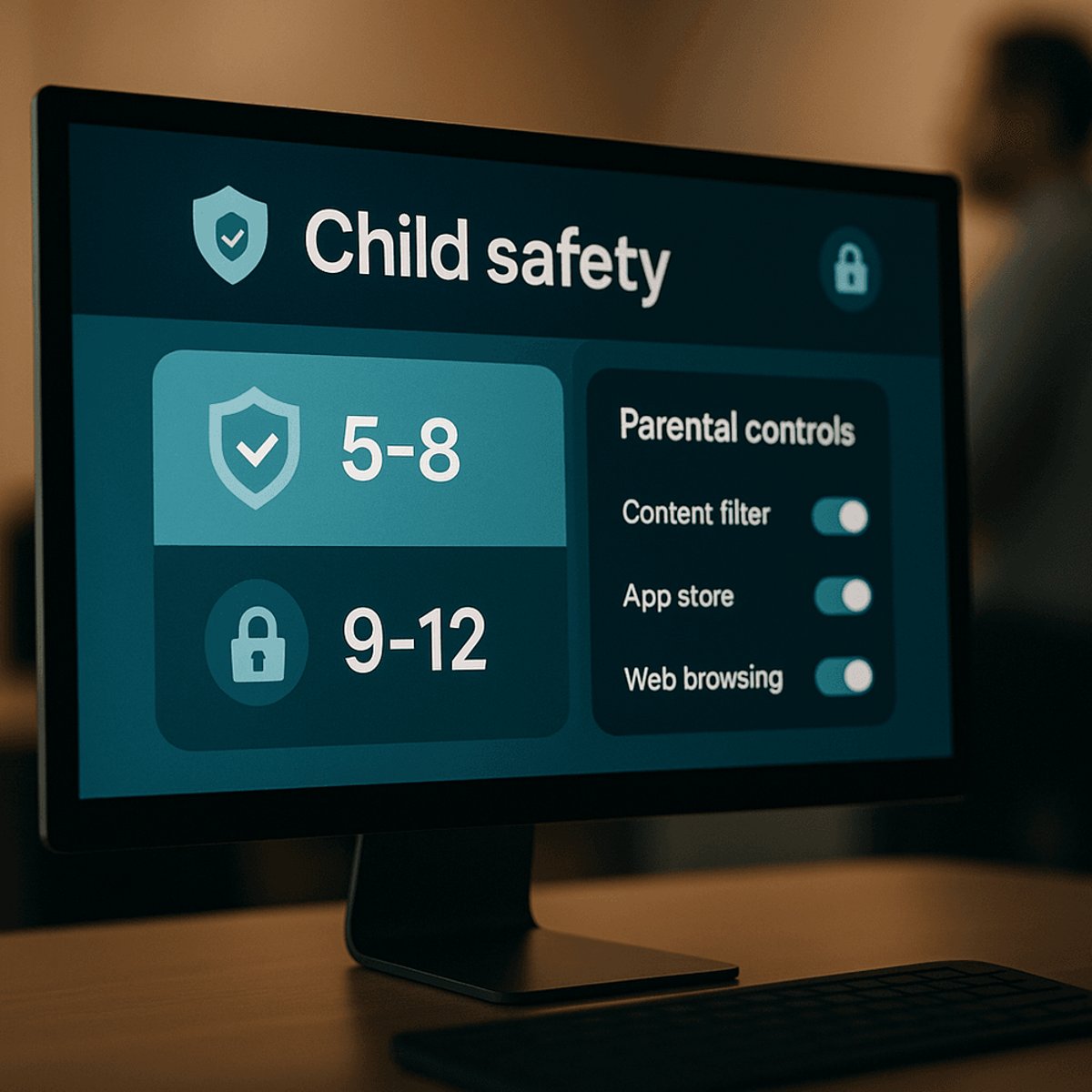
Roblox is overhauling how millions of young players access its platform, introducing two distinct account tiers that automatically segregate users by age. Starting now, children aged five to nine get locked into "Roblox Kids" accounts, while those nine to 15 land in "Roblox Select" - each with different chat capabilities and content restrictions. The move comes as gaming platforms face mounting pressure from regulators and parents over child safety, with Roblox fielding criticism about predatory behavior and inappropriate content on its 70-million-daily-user platform.
Roblox just drew a hard line through its user base. The gaming platform announced it's automatically sorting young players into two distinct account types - "Roblox Kids" for ages five to nine and "Roblox Select" for nine to 15 - each with progressively restricted access to games, chat features, and user-generated content. It's the company's most aggressive move yet to address child safety concerns that have dogged the platform for years.
The distinction matters because Roblox isn't just another gaming app. With over 70 million daily active users and a market cap hovering around $25 billion, it's become the default virtual playground for an entire generation of kids. But that scale has made it a lightning rod for criticism about everything from sexual predators using chat features to groom children, to violent or inappropriate user-created experiences slipping through moderation.
According to TechCrunch, the new account structure relies on the age users provide during signup - a system that's worked imperfectly in the past but now carries more weight. Roblox Kids accounts come with the tightest restrictions: limited chat capabilities, curated game access, and stripped-down social features. Select accounts get more freedom but still face content filters and communication guardrails that don't apply to older teens and adults.
The timing isn't coincidental. Gaming platforms have been under siege from regulators worldwide over how they protect minors. The UK's Age Appropriate Design Code forced sweeping changes across social media and gaming apps in 2023, while U.S. states from California to Utah have passed laws requiring stricter age verification and parental controls. Roblox previously relied on a single-tier parental control system that required opt-in adjustments - an approach that left millions of kids with essentially unfettered access.
What makes this rollout notable is that it's mandatory, not optional. Parents can't override the age-based restrictions, though they can provide additional limits through existing parental controls. That's a departure from competitors like Fortnite maker Epic Games, which still leans heavily on voluntary parental supervision tools rather than hard-coded account tiers.
The nine-year threshold is particularly strategic. That's roughly the age most child development experts say kids begin transitioning from supervised play to more independent social interaction - but also when they're most vulnerable to online risks. By splitting that exact demographic, Roblox is essentially creating a training-wheels tier for elementary schoolers before graduating them to the still-restricted but more open Select environment.
But the system only works if age verification holds up. Roblox has historically struggled with kids lying about their birthdate to access features meant for older users - a problem that plagues every platform from YouTube to Instagram. The company hasn't detailed whether it's implementing any additional verification measures beyond self-reported ages, which could undermine the entire tiered structure if children simply create new accounts with fake birthdates.
For game developers building on Roblox, the change introduces new complexity. Creators will need to design experiences that either cater to specific age tiers or accept that their potential audience just got segmented. That could fragment the platform's ecosystem - though it might also push developers toward more age-appropriate content rather than lowest-common-denominator experiences.
The competitive implications ripple beyond Roblox. If the tiered approach proves effective at deflecting regulatory heat while maintaining engagement, expect Minecraft developer Mojang, Meta's Horizon Worlds, and other youth-focused platforms to follow suit. Conversely, if it tanks user growth or sparks parent backlash over being too restrictive, the industry might resist similar moves.
Investors will be watching daily active user numbers closely. Roblox has built its valuation on relentless growth among young demographics - any signal that stricter controls are pushing kids toward less-regulated alternatives could rattle confidence. But the alternative - continued regulatory crackdowns or high-profile safety incidents - poses existential risk to the business model.
The rollout appears to be happening immediately, with existing users being automatically sorted into their respective tiers based on account ages. That's millions of accounts getting reclassified overnight, which historically has been a recipe for customer support chaos and user confusion.
Roblox's mandatory age-gating represents a clear bet that proactive restrictions beat reactive moderation in the child safety wars consuming gaming platforms. Whether it actually works depends entirely on verification integrity and whether parents view it as protection or overreach. But the bigger story is what it signals about the industry - voluntary parental controls are out, hard-coded restrictions are in, and platforms with young user bases are bracing for a regulatory environment that demands action over promises. Competitors are already taking notes.