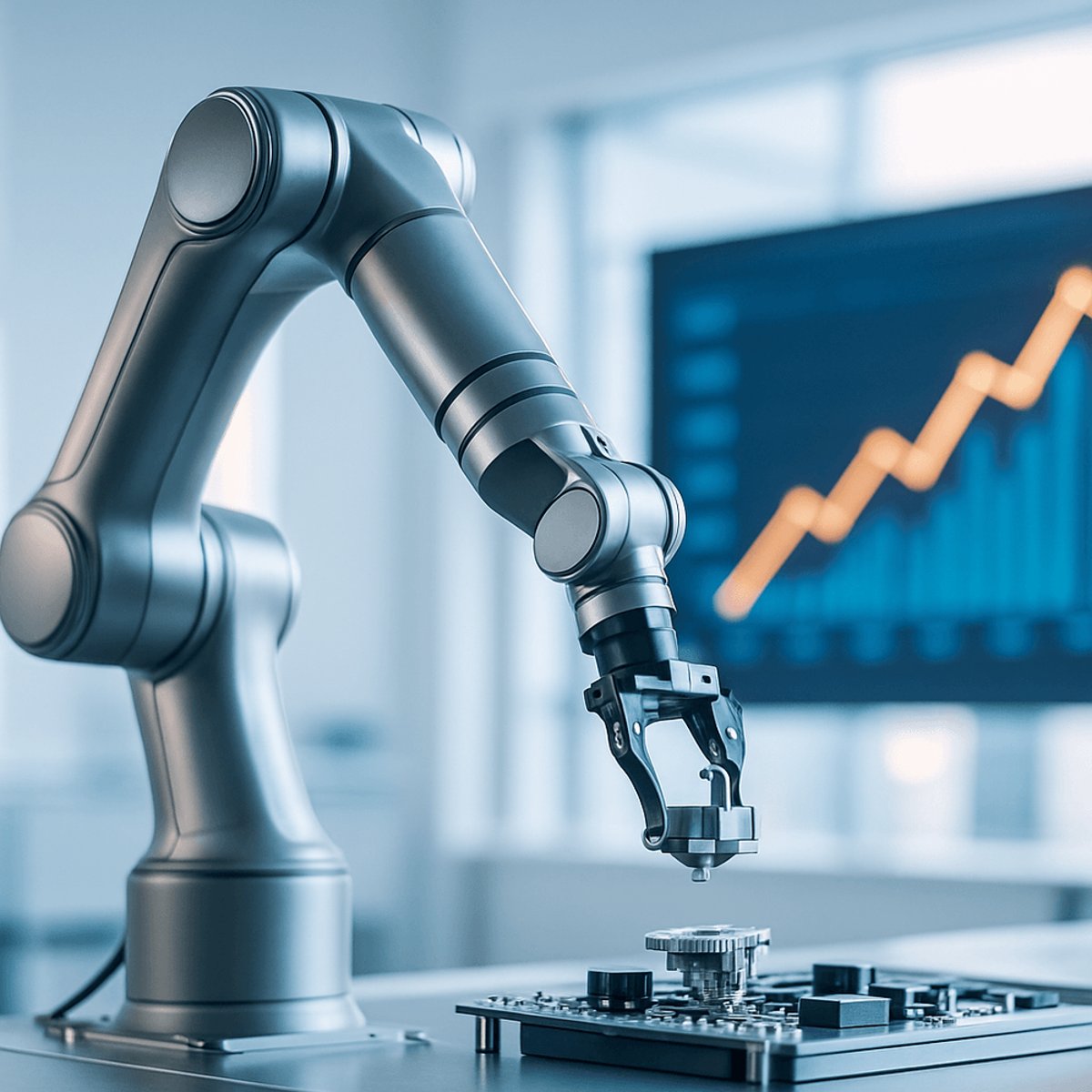
The robotics startup ecosystem has hit an inflection point that goes far beyond the AI hype. Investors poured $6 billion into robotics companies in just the first seven months of 2025, making it one of the few non-AI categories experiencing a funding surge. The real catalyst? A decade of market maturation, plummeting hardware costs, and hard-learned lessons about what actually works in the real world.
The robotics revolution brewing in Silicon Valley has little to do with the AI gold rush everyone's talking about. Instead, it's the result of a decade-long journey that began when Amazon quietly acquired a small Massachusetts startup called Kiva Systems back in 2013.
"I like to say Kiva Systems' acquisition was the acquisition that launched 1,000 robotic startups," Seth Winterroth, partner at Eclipse Ventures, told TechCrunch. That single deal triggered what he calls the first wave of robotics entrepreneurship, spawning companies like 6 River Systems and Clearpath Robotics - some successful, many not.
But those failures weren't wasted. The talent learned, the lessons compounded, and now the industry is seeing the payoff. Investors have already committed $6 billion to robotics startups in the first seven months of 2025, according to Crunchbase data. The research firm predicts 2025 will eclipse last year's totals, making robotics one of the only non-AI categories experiencing a funding boom.
The math finally makes sense. "The cost of building robotics has been going dramatically down," explains Fady Saad, general partner at robotics-focused Cybernetix Ventures. "Advances in sensor technology, compute, and batteries - it was the perfect timing to start full-stack robotics solutions."
This cost compression is creating viable paths to scale that didn't exist five years ago. Manufacturing, warehousing, and construction - the early adopters of automation - continue attracting the most venture dollars. Healthcare and surgical robots are also seeing significant investment, with eldercare emerging as a compelling new vertical.
"Manufacturing and mining, burning labor shortages, aging populations - no humans are available at any price, even imperfect robotics are better than nothing," Kira Noodleman, partner at Bee Partners, told TechCrunch.
The market has also learned what doesn't work. The "lights out manufacturing" dream - fully automated factories with zero human oversight - proved unrealistic in the 2010s. Instead, successful robotics companies focus on specific, repetitive tasks like machine tending, where robots complement rather than replace human workers.
Even companies that failed provided valuable lessons. Rapid Robotics, which Noodleman backed before it shut down, helped the next generation of founders better understand customer needs. "The last decade of trial and error helped startups figure out what the market is actually looking for," she said.
While AI gets credit for the robotics renaissance, industry veterans push back on that narrative. Yes, Nvidia released new world models for robot training in August, and large language models help with certain tasks. But AI primarily trains on online data while robots operate in the physical world - a gap that's still being bridged.
"These LLMs are primarily trained on online information whereas robots interact with the real world," Saad notes. Companies building models on real-world data face a much longer development timeline, especially for robots designed to work alongside humans.
That reality check extends to the hottest robotics category: humanoids. Despite Elon Musk's fascination with human-like robots, VCs remain skeptical about consumer applications. "The only successful consumer robot company, iRobot, failed to come up with a second act," Saad points out. "Pool cleaning robot, lawn mower, mopping and floor-cleaning robot - none of these worked out."
Instead, vertically-focused robotics companies are winning because they have access to more real-world data and clearer customer problems to solve. The industrial applications that seemed boring in 2015 are now generating billion-dollar valuations.
The funding surge is driving up deal costs, but veterans see this as a net positive. "Ten, 15 years ago, it was questionable whether there was going to be a large and thriving marketplace for these types of solutions," Winterroth reflects. "Now, there's a lot of customer awareness."
That customer awareness represents the real breakthrough. After a decade of education, potential buyers understand what robots can and can't do. They're ready to invest in solutions that work today, not science fiction promised for tomorrow.
The robotics golden age isn't about AI breakthroughs or humanoid fantasies - it's about market maturation, falling costs, and a decade of hard-earned wisdom about what actually works. As labor shortages intensify and hardware costs continue dropping, the stage is set for robotics companies that solve real problems rather than chase sci-fi dreams. The next wave of robotics unicorns will likely emerge from the unglamorous but profitable world of industrial automation, healthcare assistance, and specialized vertical applications.