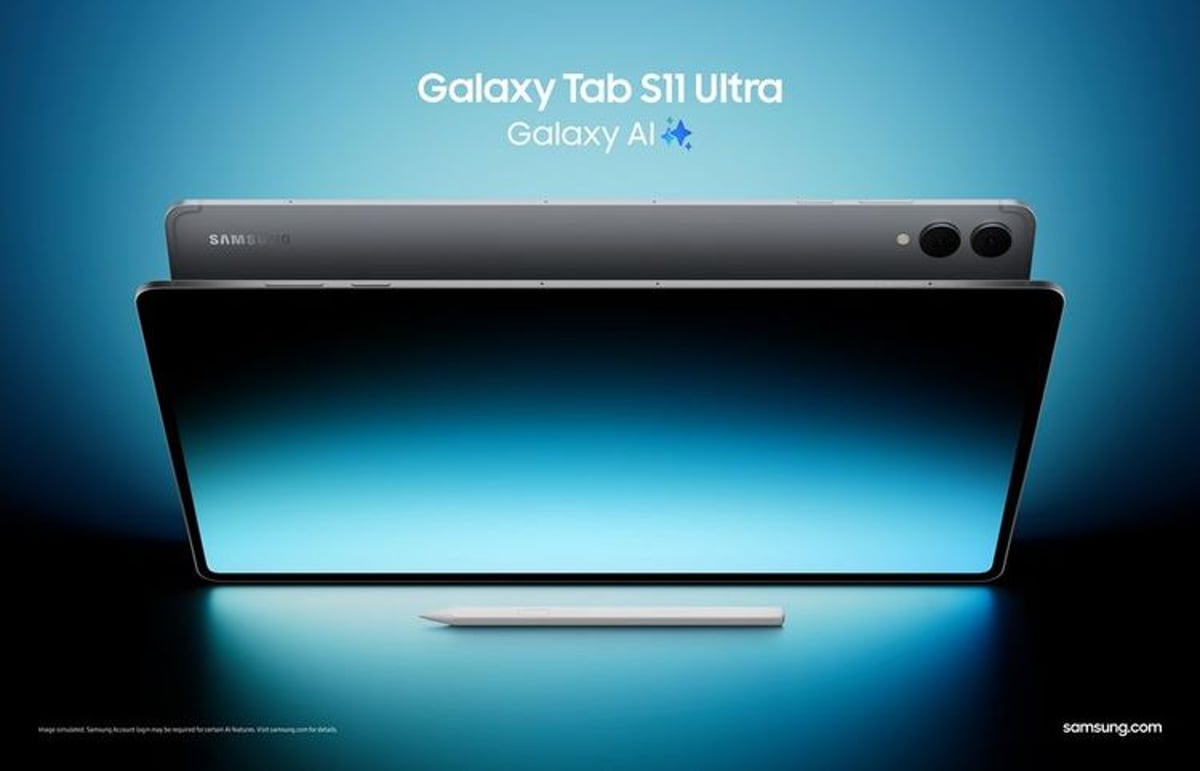
Samsung just dropped its most AI-forward tablets yet. The Galaxy Tab S11 series launches today with multimodal Galaxy AI, One UI 8, and a redesigned S Pen, positioning Samsung to challenge Apple's iPad Pro dominance in the premium tablet market. The ultra-thin Galaxy Tab S11 Ultra at just 5.1mm sets new design benchmarks while packing serious productivity firepower.
Samsung is making its biggest tablet bet in years. The Galaxy Tab S11 series arrives today as Samsung's answer to productivity-focused users who've been gravitating toward iPad Pros and Surface devices. But this isn't just another hardware refresh – it's Samsung's most comprehensive AI integration yet, built around the idea that tablets should work more like intelligent assistants than glorified media consumption devices.
The Galaxy Tab S11 Ultra immediately grabs attention with its impossibly thin 5.1mm profile, making it Samsung's slimmest tablet to date. But the real story lies beneath that sleek exterior. Samsung has packed the MediaTek Dimensity 9400+ processor – the company's first 3nm chip in a Galaxy Tab – delivering performance improvements of 33% in NPU, 24% in CPU and 27% in GPU compared to the Tab S10 Ultra, according to Samsung's internal testing.
"The Galaxy Tab S11 series combines AI innovation with refined hardware to deliver a true multitasking experience that reflects Samsung's deep experience in mobile productivity," Jay Kim, Executive Vice President and Head of Customer Experience Office at Samsung Electronics, told reporters during the launch.
The AI story centers around One UI 8, making its debut on the Tab S11 series before rolling out to other Galaxy devices in October. The interface introduces multimodal AI that understands what users type, say, and see simultaneously. Google's Gemini Live integration allows real-time screen sharing and visual input – users can literally show Gemini their notes and ask it to interpret charts or explain study material.
But Samsung hasn't just licensed Google's AI wholesale. The company's own Galaxy AI suite gets tablet-specific optimizations, including Drawing Assist that transforms rough sketches into polished visuals, and Writing Assist that adapts tone and style for different contexts. A floating AI overlay lets users summarize on-screen content without breaking workflow – addressing one of the biggest pain points in tablet multitasking.
Samsung DeX receives its most significant upgrade yet with Extended Mode, transforming the Galaxy Tab S11 into a true dual-screen workstation when connected to an external monitor. Users can now create up to four separate, customized workspaces – one for work, another for creative projects, a third for travel planning. This positions Samsung DeX as a legitimate alternative to traditional desktop environments, especially when paired with the new Book Cover Keyboard Slim that includes a dedicated Galaxy AI key.
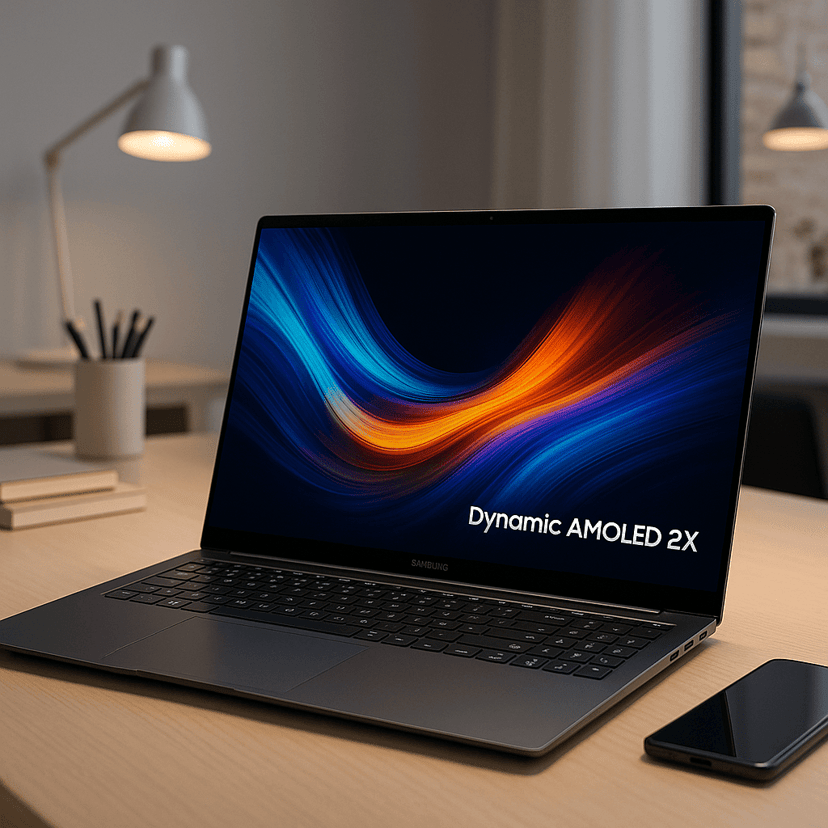
The hardware improvements extend beyond raw performance. Both models feature Dynamic AMOLED 2X displays reaching 1600 nits peak brightness, enabling outdoor productivity that's been a persistent tablet weakness. The Galaxy Tab S11 Ultra's 14.6-inch screen maintains narrow 5.2mm bezels, while the standard Tab S11's 11-inch display offers the same visual quality in a more portable 469g package.
Samsung's redesigned S Pen deserves particular attention. The new cone-shaped tip supports increased tilt angles for better drawing control, while a hexagonal design provides more natural grip ergonomics. Quick Tools offer floating access to editing functions, and Sticky Note lets users capture thoughts directly over Samsung Notes without app switching – small details that could significantly impact daily workflow.
The software ecosystem tells Samsung's broader strategy story. Pre-loaded apps include Goodnotes with a 1-year free subscription, Clip Studio Paint with 6-month trial plus 20% off, and LumaFusion with 66% discount through November 2026. Samsung is essentially subsidizing professional creative tools to build ecosystem stickiness – a page from Apple's playbook.
Pricing remains unannounced, but configurations range from 12GB RAM with 128GB storage on the base Tab S11, up to 16GB RAM with 1TB storage on the Ultra model. Both support microSD expansion to 2TB and include 5G connectivity options, targeting users who need serious mobile productivity capabilities.
The timing feels strategic. Apple's iPad Pro refresh cycle has slowed, while Microsoft's Surface lineup faces supply constraints. Samsung sees an opening in the premium tablet market, especially among enterprise users who value Android's flexibility and Samsung's established business relationships.
Availability begins September 4 in select markets, offering Gray and Silver color options. The Galaxy Tab S11 series represents Samsung's most ambitious tablet effort since the original Galaxy Note series – a bet that AI-powered productivity can finally make tablets indispensable business tools rather than consumption-focused accessories.
Samsung's Galaxy Tab S11 series signals a fundamental shift in tablet strategy – from media consumption devices to AI-powered productivity workstations. The combination of ultra-thin hardware, multimodal AI capabilities, and enhanced Samsung DeX positions these tablets as legitimate laptop alternatives for mobile professionals. Success will depend on execution and pricing, but Samsung has clearly raised the stakes in the premium tablet market. The September 4 launch will test whether enterprise users and creative professionals are ready to embrace tablets as primary computing devices.