Samsung just notched its 11th consecutive year as Europe's top-selling microwave brand, according to new data from Euromonitor International. The streak, running from 2015 through 2025, reflects the company's push to embed smart home connectivity into everyday appliances - turning microwaves into SmartThings-controlled nodes in the connected kitchen. As traditional appliance makers face pressure from tech-forward competitors, Samsung's sustained lead shows how IoT integration is becoming table stakes in consumer electronics.
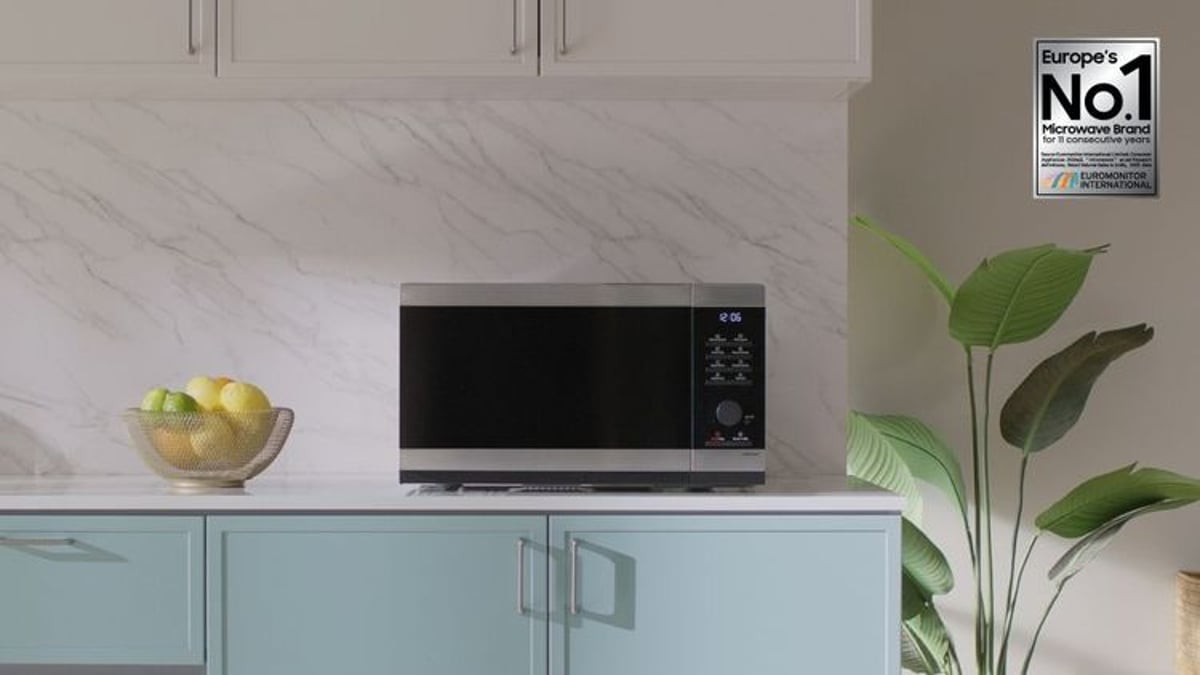
Samsung isn't letting go of its European microwave throne. The company just confirmed it maintained the No. 1 sales position across Europe for 2025, marking an unbroken 11-year streak since 2015, according to retail volume data from market intelligence firm Euromonitor International.
The sustained dominance comes as Samsung doubles down on smart home integration across its appliance portfolio. In 2024, the company rolled out smart convection microwave ovens that plug directly into its SmartThings ecosystem, letting users monitor and control cooking remotely via smartphone - even when they're not in the kitchen. The appliances respond to voice commands through Samsung's Bixby assistant, turning what was once a standalone countertop device into a connected node in the IoT-enabled home.
"Maintaining our No. 1 position in Europe for eleven consecutive years reflects our continued commitment to meeting the evolving needs of consumers," Sang Jik Lee, EVP and Head of Sales & Marketing for Samsung's Digital Appliances Business, said in a statement from Samsung Newsroom. "By combining premium design with intuitive usability and smart connectivity, we will continue to strengthen our position in the European market."
The pitch reveals Samsung's broader appliance strategy - take traditional products and layer in the connectivity features that younger, tech-savvy consumers expect. While Samsung hasn't broken out specific sales figures, Euromonitor's retail volume data tracks unit sales rather than revenue, suggesting Samsung is winning on volume across price points.
Beyond the smart features, Samsung's maintained its focus on durability and design refinements. The company's CERAMIC INSIDE coating - a ceramic interior that resists scratching and heat discoloration - has become a signature feature. Internal testing shows the ceramic surface is roughly 24 times more scratch-resistant than traditional stainless steel interiors, according to tests conducted at Samsung's Global Technology Center following ISO 20502 standards. The coating also simplifies cleanup after cooking, addressing one of the most common pain points in microwave ownership.
Samsung just introduced new grill and solo microwave models with seamless stainless-steel exteriors available in 32-liter and 23-liter capacities. The updated lineup features recessed handles on both top and bottom of the door - a design choice that makes the appliances easier to integrate into enclosed cabinet spaces. The control panels got a UX refresh too, with streamlined interfaces that blend into the overall aesthetic rather than standing out as afterthoughts.
The Europe-specific announcements matter because the region represents a sophisticated appliance market where design and energy efficiency weigh heavily in purchase decisions. Samsung's ability to hold the top spot for over a decade suggests the company's reading regional preferences correctly, even as competitors like Bosch, Whirlpool, and LG vie for market share.
What's notable is how Samsung's framing this as a smart home story rather than just an appliance win. The SmartThings integration requires a Wi-Fi connection and Samsung account, creating an ecosystem lock-in effect similar to what Apple has achieved with HomeKit or Google with Nest products. Users who buy into Samsung's connected microwave are more likely to consider other SmartThings-compatible appliances down the line.
The company isn't disclosing how many of these microwaves actually get connected to SmartThings networks versus operating as standalone appliances. But the fact that Samsung's leading with connectivity in its messaging suggests the features resonate with European buyers, even if adoption rates for voice control and remote monitoring remain unclear.
For context, the global smart home market continues expanding rapidly, with appliance connectivity becoming a key differentiator. Samsung's been particularly aggressive about embedding SmartThings across its product lines - from refrigerators that track inventory to washing machines that send completion alerts. The microwave announcement fits that pattern, turning another previously "dumb" appliance into a data-generating, remotely controllable device.
The 11-year winning streak also speaks to Samsung's ability to balance innovation with reliability in a product category that doesn't typically generate headlines. While flashy smartphone launches and folding displays grab attention, Samsung's appliance division has quietly built a dominant position through incremental improvements and consistent execution.
Samsung's 11-year run atop Europe's microwave market isn't just about making reliable appliances - it's about successfully grafting smart home capabilities onto traditional products without alienating mainstream buyers. The SmartThings integration, Bixby voice control, and remote monitoring features signal where the appliance industry is headed, even for products as mundane as microwaves. As connectivity becomes expected rather than novel, Samsung's challenge will be maintaining this lead against competitors who are racing to add similar features. For now, the company's betting that European consumers will keep choosing the brand that got the smart home integration right first, backed by durability features like that ceramic interior coating. Whether that's enough to carry the streak to year 12 depends on how quickly rivals close the gap on both design and connectivity.