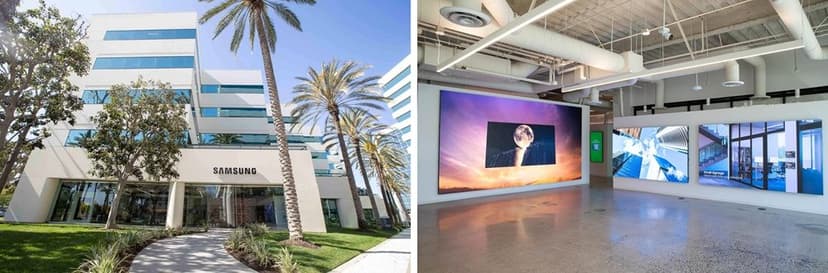
Samsung just opened a massive 7,500-square-foot Connected Experience Center in Irvine, California, designed specifically for B2B clients looking to deploy professional display solutions. The facility showcases everything from 0.9mm COB LED walls to virtual production technology, with hands-on demos that have already converted simple display comparisons into multi-million-dollar installations across seven conference rooms and security operations centers.
Samsung is betting big on enterprise display experiences. The company's new Connected Experience Center in Irvine, California represents a fundamental shift in how B2B tech sales happen - moving from spec sheets and PowerPoints to immersive, hands-on discovery sessions that turn skeptical buyers into believers.
The 7,500-square-foot facility isn't just another showroom. It's a conversion machine. "You can't always explain with words what must be experienced with eyes," says Lupe Verdin, Samsung's B2B Visual Display CAD Liaison, describing how clients regularly expand their projects after seeing displays in person. One recent visitor came to compare a 98-inch display but left planning seven LED walls for conference rooms, showrooms, and security operations.
What's driving these expansions is Samsung's 0.9mm COB (Chip On Board) LED technology. When clients upload their own content and see it rendered on these ultra-fine-pitch displays, the business case becomes obvious. "Seeing the technology in person helps realize how advanced displays can transform spaces and user experiences," Verdin explains.
The timing couldn't be better. Enterprise display spending is surging as companies rethink physical spaces post-pandemic. Samsung's approach differs from competitors by offering the full portfolio under one roof - indoor, outdoor, and specialty LED solutions side by side. "Other showrooms don't offer the same breadth of technology," according to Samsung staff.
But the real innovation isn't in the hardware - it's in the integrated platforms. The SmartThings Pro demonstration zone shows hospitality, retail, and cruise line clients how AI-driven automation creates seamless guest experiences. Automatic check-in, adaptive lighting, climate control, and personalized streaming all run through a single platform that most guests never see.
"Efficiency and guest satisfaction don't have to be trade-offs," says Noor Armar, Solution Enablement Manager at Samsung's North America Display Office. "Our role is to help clients understand the value of integrated platforms, even when the underlying technology is invisible to guests."
The facility also caters to Hollywood's expansion beyond traditional studios. The Vu One Mini, developed with Vu Technologies, combines Samsung's premium LED displays with real-time content platforms. This plug-and-play system democratizes virtual production for corporate, academic, government, and sports applications.
"Most organizations don't have access to Hollywood sound stages," explains Chris Simpson, Senior Business Development Manager for Virtual Production & Cinema at Samsung Electronics America. "But with the right software and a portable LED solution, we can bring that same creative power into various settings."
The proof is in the deployments. Hyundai America Technical Center in Michigan partnered with Samsung after CEC visits resulted in The Wall installation as their North American headquarters centerpiece. Individual clients like entrepreneur Phil Trubey also credit hands-on CEC experiences with their confidence to invest in premium home cinema solutions. "The Wall is so bright we usually don't even use the full intensity of the screen," Trubey noted.
These aren't isolated successes. Samsung is expanding its global network of professional display showrooms, with each location adapting to regional business needs. The company views these facilities as strategic platforms that transform business ambition into measurable impact through collaboration and customization.
The CEC model reflects broader changes in B2B sales cycles. Instead of lengthy procurement processes based on technical specifications, buyers want to test solutions with their own content before committing. Samsung's bet is that immersive experiences will drive larger, more integrated deployments than traditional sales approaches.
Samsung's Connected Experience Center represents more than a showroom expansion - it's a fundamental shift toward experience-driven B2B sales in the professional display market. By letting clients test solutions with their own content instead of relying on specifications, Samsung is converting single-product inquiries into comprehensive installation projects. As the company scales this model globally, the approach could reshape how enterprise technology gets evaluated and deployed across industries from hospitality to virtual production.