Samsung just unveiled its Galaxy S26 smartphone with enhanced AI capabilities, but the celebration comes with a cloud - a looming memory chip shortage that's rattling the entire semiconductor industry. The launch arrives as supply chain analysts warn of tightening DRAM and NAND flash inventories, raising questions about whether Samsung can meet demand for its AI-powered flagship while the broader tech sector braces for component constraints.
Samsung rolled out its Galaxy S26 smartphone today, betting big on AI capabilities that demand more memory than ever before. But the launch comes at a precarious moment - just as the semiconductor industry faces a tightening memory chip supply that could reshape the competitive landscape for months to come.
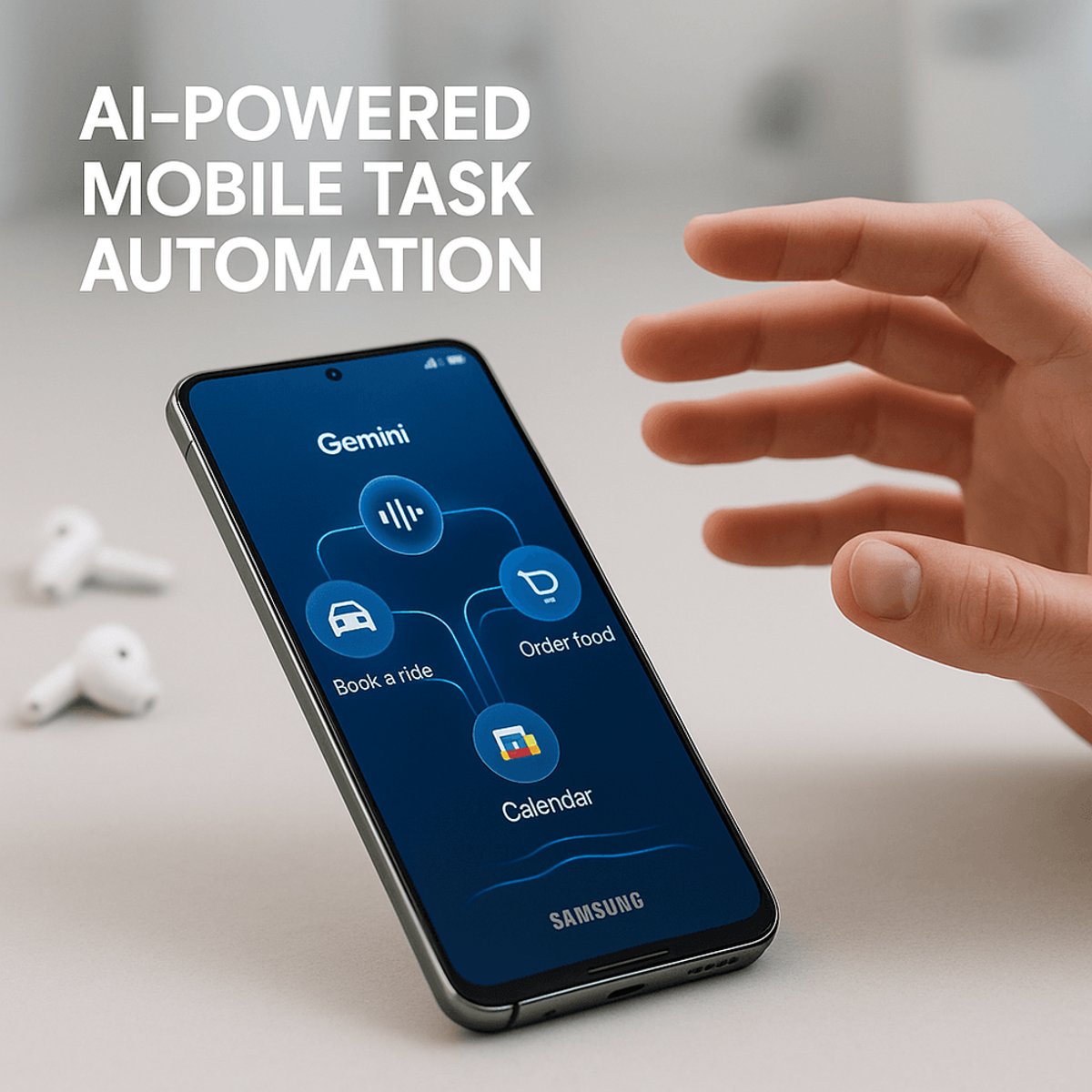
The S26 arrives packed with on-device AI features that require significant memory bandwidth, including real-time translation, advanced image processing, and contextual assistance that runs locally rather than in the cloud. These features represent the industry's pivot toward edge AI, but they come with a hardware cost - more RAM and faster storage than previous generations.
That timing couldn't be more challenging. Memory chip supplies have been tightening since late 2025 as demand from AI servers, data centers, and now AI-enabled smartphones converges. Industry analysts point to a perfect storm - production capacity hasn't kept pace with the explosion in AI workloads, and leading memory manufacturers have been cautious about capital expenditures after the brutal downturn of 2023.
Samsung finds itself in a unique position. As both the world's largest memory chip manufacturer and a leading smartphone maker, the company controls more of its supply chain than competitors like Apple or Google. That vertical integration could prove decisive if chip shortages intensify. While rival phone makers scramble to secure DRAM and NAND flash from external suppliers, Samsung can theoretically prioritize its own device production.
But that advantage comes with complications. Samsung's memory division operates as a standalone business unit that sells to the broader market, including competitors. Favoring internal customers too heavily risks alienating major chip buyers and potentially drawing regulatory scrutiny. The company must walk a tightrope between serving its device ambitions and maintaining its position as a neutral supplier to the industry.
The memory crunch extends beyond smartphones. AI data centers are consuming high-bandwidth memory at unprecedented rates as companies like Microsoft, Meta, and Amazon build out infrastructure for large language models and generative AI services. HBM (high-bandwidth memory) production is particularly constrained, with lead times stretching to six months or more for premium chips.
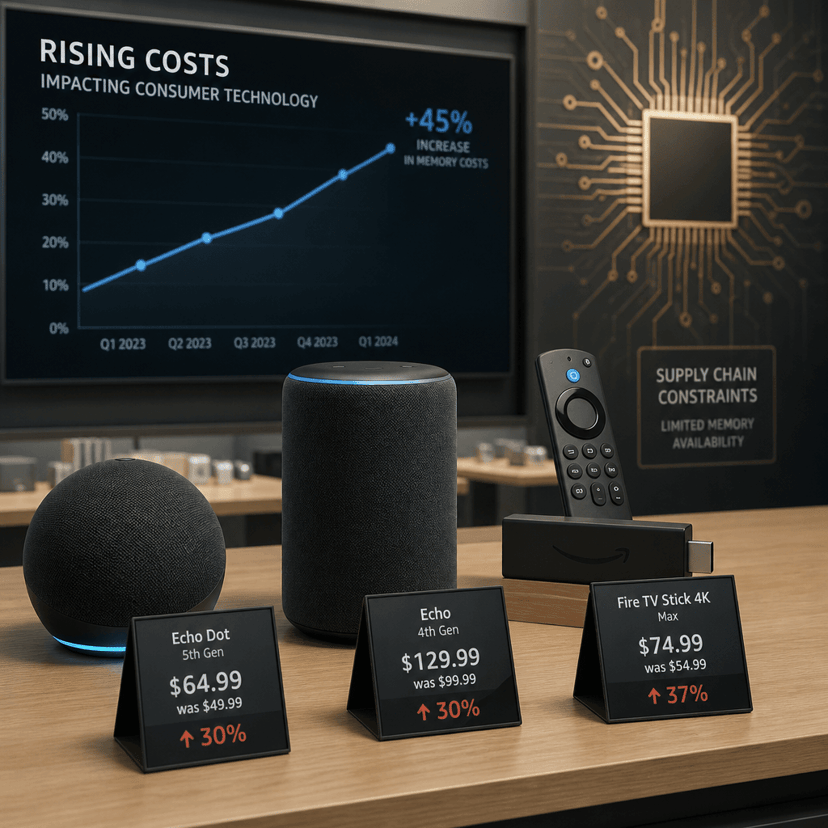
For consumers, the implications are straightforward - higher prices and potential availability issues. If Samsung can't secure enough memory chips to meet S26 demand, launch volumes could disappoint. Competing devices from other manufacturers may face even steeper challenges. The industry learned harsh lessons from previous component shortages, and no one wants a repeat of the scrambles that plagued recent years.
The S26 launch also highlights a broader tension in the AI hardware race. As software capabilities advance, they're bumping up against hardware realities. Every new AI feature demands more processing power, more memory, and more energy. Smartphone makers are discovering that the AI future they've been promising requires a semiconductor supply chain that doesn't quite exist yet at the scale needed.
Samsung hasn't publicly addressed how it plans to navigate the memory shortage, but industry insiders suggest the company began stockpiling components months ago in anticipation of today's launch. That forward planning may insulate the S26 from immediate supply issues, but it doesn't solve the industry-wide problem. Other manufacturers without Samsung's vertical integration face tougher decisions about which devices get priority access to scarce chips.
The memory chip situation also creates an opening for Nvidia and other AI chip specialists who've been designing custom silicon optimized for specific AI workloads. If general-purpose memory remains constrained, specialized architectures that do more with less could gain ground. The smartphone industry might need to get more creative about how it implements AI features rather than simply throwing more memory at the problem.
What happens next depends partly on how quickly memory manufacturers can ramp production and partly on whether AI demand continues its exponential growth or plateaus. Samsung's memory division has signaled plans to increase capital spending, but new fabrication facilities take years to come online. In the meantime, the industry faces a period of scarcity that will test supply chain strategies and potentially reshape competitive dynamics.
Samsung's S26 launch crystallizes the tension at the heart of the AI device revolution - ambitions are racing ahead of the supply chain's ability to deliver. The company's dual identity as both chipmaker and device manufacturer positions it better than most to weather the memory shortage, but no one's immune when the entire industry is chasing the same scarce components. How Samsung navigates this crunch - and whether it prioritizes its own devices over external chip customers - will reveal much about the future competitive landscape. For now, the S26 represents both the promise of AI-powered smartphones and the harsh reality that breakthrough features mean nothing if you can't build enough devices to meet demand.