Samsung just turned Paris into a wearable tech playground. The company's three-day wellness showcase around the Vredestein 20km marathon featured its Galaxy Watch8's health monitoring capabilities, from real-time antioxidant tracking to sleep optimization insights. The event signals Samsung's push to position its wearables as essential wellness tools beyond basic fitness tracking.
Samsung just transformed Paris into a living laboratory for wearable wellness technology. During the Vredestein 20km marathon weekend from October 10-12, the Korean tech giant showcased how its Galaxy Watch8 is evolving beyond basic step counting into comprehensive health monitoring.
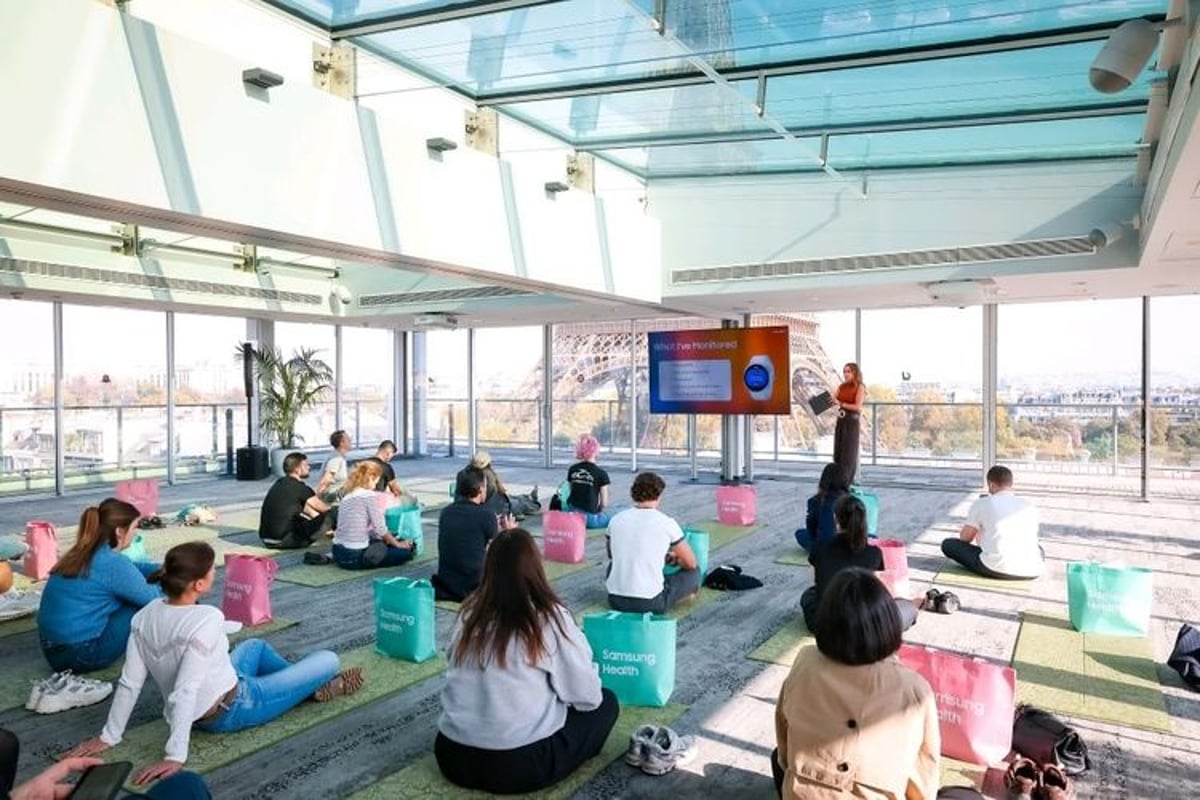
The centerpiece was Samsung's Health Immersion Session, where Dr. Julie Smith, clinical psychologist and bestselling author, demonstrated how the Galaxy Watch8 guides users through meditation sessions. "The integration between mindfulness practices and real-time biometric feedback creates a more effective wellness experience," Smith explained to attendees.
But it's the watch's new antioxidant tracking that caught attention. Using carotenoid analysis, the device can now measure antioxidant levels and provide immediate nutrition insights based on fruit and vegetable intake. Dr. Dong-seon Chang, a brain scientist, showed how this data connects to sleep quality and stress resilience - creating what Samsung calls a "holistic wellness loop."
The interactive expo let visitors experience these features hands-on. Marathon participants measured heart rates on self-powered treadmills while the Galaxy Watch8 tracked performance metrics. The "sleep animal" feature assigned personality types based on sleep patterns, giving personalized optimization tips that go beyond standard sleep tracking.
Samsung's RunnerzZz Program brought together runners from seven countries, all using Galaxy Watch8 devices during their training and the actual 20km race. The social component - sharing experiences across Samsung's health platform - hints at the company's strategy to build community around its wearables ecosystem.
The Street League Skateboarding competition showcased Samsung's broader device integration. Athletes used Galaxy Buds3 Pro during performances, while fans captured content with Galaxy Z Flip7's FlexCam. This cross-device synergy represents Samsung's vision of seamless tech integration across different activities and demographics.
Registered dietitian Nisha Melvani highlighted how the antioxidant monitoring could revolutionize nutrition tracking. "Real-time feedback on nutritional status changes how people think about daily food choices," she noted during her presentation on balanced wellness approaches.
The Paris event comes as wearable companies face pressure to differentiate beyond standard fitness metrics. Apple's health focus and emerging players are pushing the market toward more sophisticated biometric monitoring. Samsung's approach of combining multiple health indicators - sleep, nutrition, stress, exercise - into actionable insights could give it an edge.
What's telling is Samsung's emphasis on expert validation. By partnering with clinical psychologists, brain scientists, and nutritionists, the company is positioning its technology as medically-informed rather than just consumer gadgetry. This clinical credibility becomes crucial as wearables move into more serious health monitoring territory.
The Victory Selfie Zone at the marathon finish line wasn't just marketing fluff - it demonstrated how Samsung wants its devices to capture and share wellness achievements. The social aspect of health tracking could become a key differentiator as the wearables market matures.
Samsung's Paris wellness showcase reflects the wearables industry's shift toward comprehensive health ecosystems rather than simple fitness tracking. By integrating nutrition monitoring, sleep optimization, and expert-validated wellness programs, the Galaxy Watch8 positions itself as a lifestyle companion. The event's emphasis on community building and cross-device integration suggests Samsung is betting on holistic user engagement rather than just hardware sales. As health consciousness grows post-pandemic, this approach could define the next phase of wearable technology adoption.