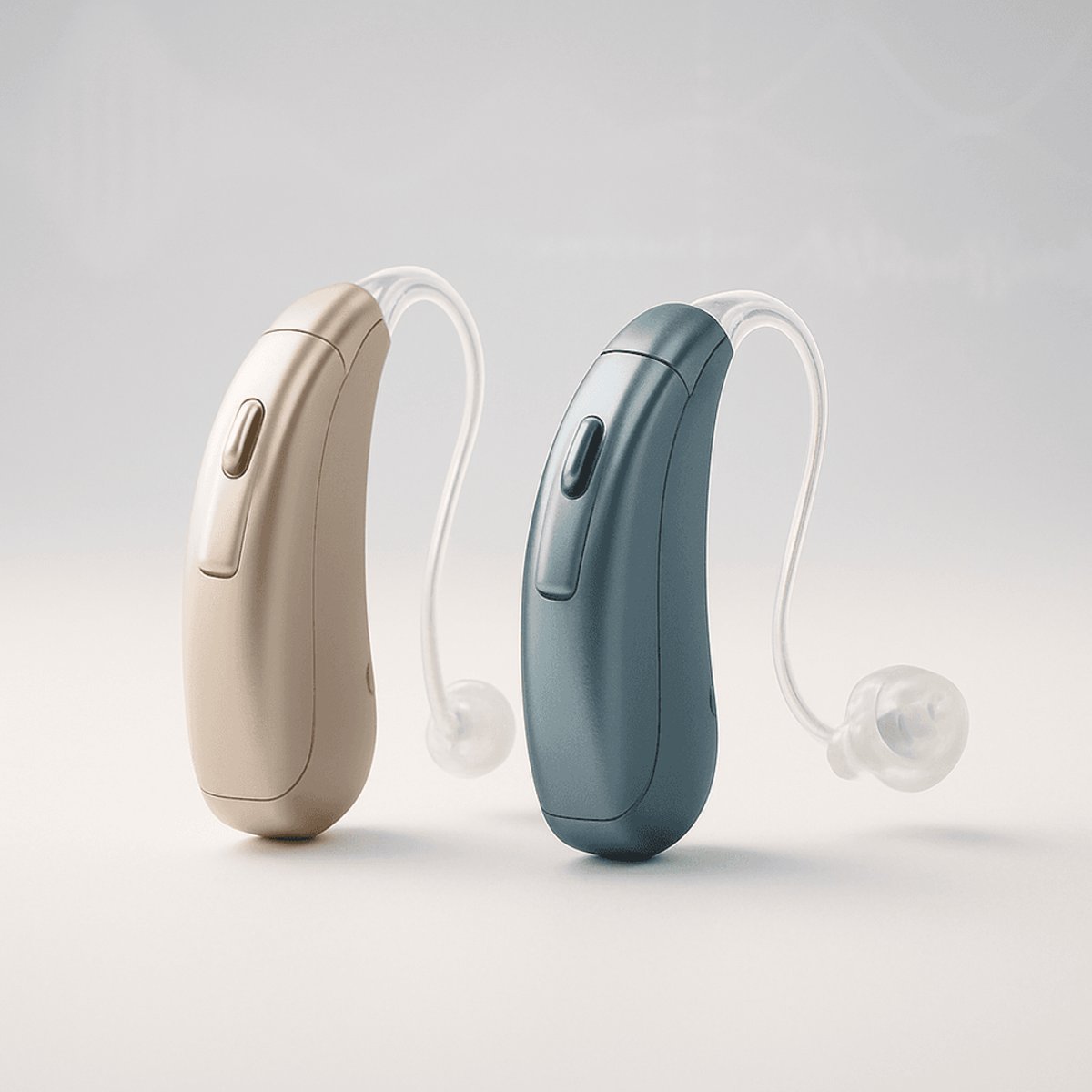
Jabra just launched its Enhance Select 700 hearing aids, but don't expect revolutionary changes. The new devices are practically identical twins to last year's Select 500 model, which they're completely replacing in Jabra's lineup. At 2.58 grams per device and featuring the same core specs, the 700s represent an incremental upgrade rather than a breakthrough in hearing aid technology.
Jabra just pulled the classic tech company move - launch a "new" product that's basically last year's model with a fresh coat of paint. The Enhance Select 700 hearing aids hit the market this week, and if you're getting déjà vu, there's a good reason for it.
These aren't just spiritual successors to the Select 500 - they're practically identical twins. In fact, Jabra has completely discontinued the 500 series, leaving the Select 700 to sit atop their lineup alongside the budget-friendly 300 and 50R models.
The similarities run deep. Each 700 device weighs exactly 2.58 grams, functionally identical to its predecessor. The 0.02-gram difference between models likely comes down to receiver wire lengths or ear tip sizes rather than any meaningful hardware changes. According to WIRED's hands-on review, the devices look and feel almost identical, making them difficult to distinguish without close inspection.
So what exactly changed? The most notable upgrade is cosmetic - Jabra expanded the color palette to six options, adding red to the existing lineup. It's a minor enhancement that hardly justifies a full model refresh, but it gives users more personalization options in a market where hearing aids have traditionally been limited to basic beige and black.
The accompanying Enhance Select mobile app remains unchanged, offering the same four preset environmental modes that made the 500 series popular. Users still get All-Around, Restaurant, Music, and Outdoor settings, plus independent volume control for each ear and a three-level frequency adjustment system. The app's simplicity continues to be a selling point, allowing basic customization without requiring professional intervention.
What hasn't changed - and shouldn't - is Jabra's professional audiology support. The company's team remains available for initial setup and on-demand tuning adjustments, with response times typically under an hour according to user reports. This hybrid approach of consumer-friendly hardware with professional support has become Jabra's key differentiator in the crowded hearing aid market.
The timing of this launch feels strategic rather than innovative. Jabra likely needed to refresh inventory and pricing without the expense of redesigning successful hardware. The Select 500 received positive reviews for its balance of features and affordability, so why mess with a winning formula?
This incremental approach reflects broader trends in the hearing aid industry, where meaningful hardware improvements come in longer cycles than typical consumer electronics. Unlike smartphones that get annual processor upgrades, hearing aids prioritize long-term reliability and gradual refinements over flashy new features.
For consumers, the Select 700 launch mainly means the 500 series is heading toward clearance pricing as remaining inventory clears out. If you were considering Jabra's hearing aids, this might be the perfect time to grab the previous generation at a discount - you're not missing much with the "upgrade."
The Select 700 launch highlights how hearing aid innovation moves at its own pace - slower and more deliberate than typical consumer tech. While the minimal upgrades might disappoint those expecting breakthrough features, Jabra's approach prioritizes reliability over novelty. For users happy with the 500 series, there's little reason to upgrade. For newcomers to Jabra's ecosystem, the 700s offer the same proven experience with slightly more color options and the assurance of being the current-generation model.