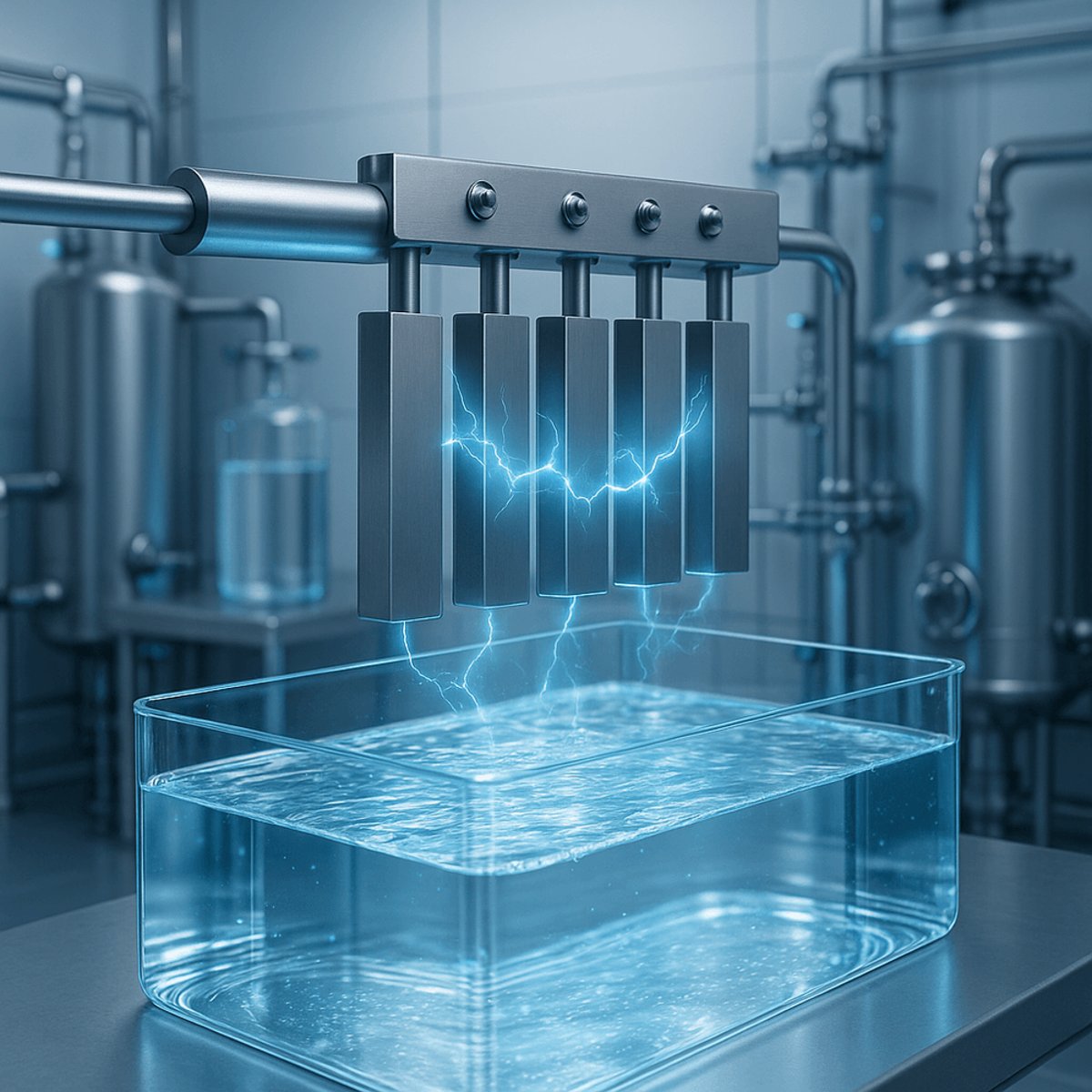
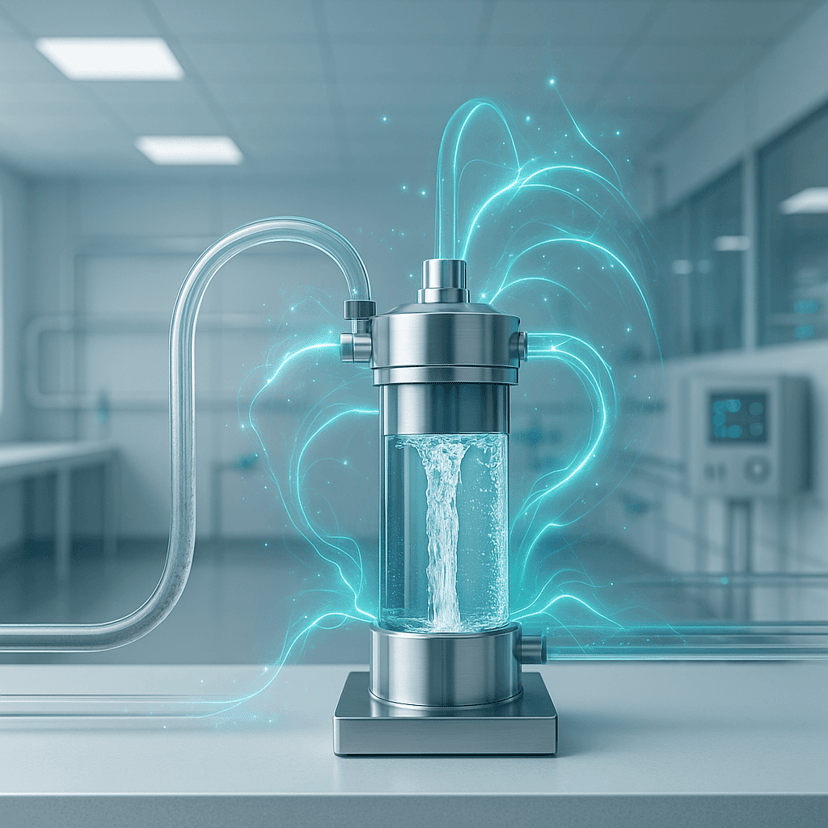
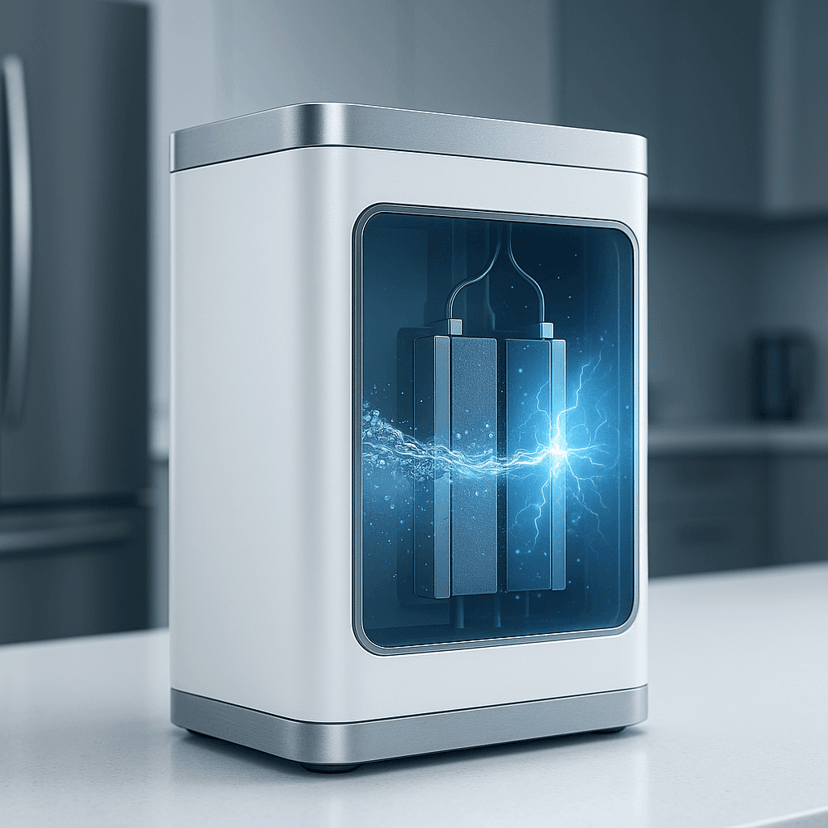
Samsung just changed the water treatment game. The tech giant published breakthrough research in Joule showing an electrochemical system that cleans water while generating power - potentially cutting energy costs in half for industrial applications. This dual-function approach could reshape how everything from dishwashers to data centers handle water processing.
Samsung researchers just solved one of water treatment's biggest problems - the technology that cleans your water could soon power your devices too. The company's collaboration with Sungkyunkwan University produced an electrochemical water treatment system that doesn't just purify water, it generates electricity in the process.
The breakthrough centers on a revolutionary electrode design that flips conventional thinking on its head. While traditional systems consume additional power during electrode regeneration, Samsung's new metal oxide-based nanostructure spontaneously regenerates while feeding power back to external devices. Published in the prestigious Joule journal, the research demonstrates energy consumption of just 76Wh/kg - roughly half what existing technologies require.
"This represents a new paradigm for simultaneously implementing water treatment and energy storage," the research team noted in their published paper. The implications stretch far beyond laboratory curiosity. Industries spend billions annually on water treatment while simultaneously managing rising energy costs - Samsung's approach tackles both challenges at once.
The technical breakthrough lies in direct electron exchange rather than conventional electrostatic forces. Traditional electrochemical water treatment relies on capacitive deionization, where voltage applied to electrodes attracts ions through electrostatic forces. But this approach requires expensive ion exchange membranes to prevent re-adsorption during the regeneration cycle, creating both cost and maintenance headaches.
Samsung's new electrode eliminates that membrane requirement entirely. The metal oxide nanostructure enables ions to be stored and spontaneously desorbed through direct electron exchange, cutting both complexity and costs. Performance metrics show a 200% increase in ion storage capacity and 20% improvement in storage rate compared to conventional designs.
The energy recovery aspect represents perhaps the most significant commercial opportunity. During electrode regeneration in existing systems, sudden ion leakage can cause overcurrents and reverse electrode polarity, making stored energy unusable. Samsung's design prevents this issue entirely, allowing the system to supply power to nearby devices during operation.
Professor HoSeok Park from Sungkyunkwan University, who led the academic side of the collaboration, worked alongside Samsung's Life Solution Team through the entire development process - from initial concept to experimental validation. The partnership represents Samsung's broader push into sustainable technology solutions beyond traditional consumer electronics.
Commercial applications could transform multiple industries. Data centers, which consume massive amounts of both water and energy for cooling systems, represent an obvious target. Manufacturing facilities that require process water treatment could reduce their overall energy footprint. But Samsung's thinking extends to consumer applications too - imagine dishwashers, washing machines, and water purifiers that contribute to your home's energy grid rather than just consuming from it.
The technology's effectiveness against hardness ions like calcium and magnesium makes it particularly valuable for regions with challenging water chemistry. These ions reduce cleaning agent effectiveness and cause scale buildup in pipes and appliances, creating both performance and maintenance issues that cost industries hundreds of millions annually.
Publication in Joule, established by Cell Press in 2017, signals the research community's recognition of the technology's potential. The journal covers cutting-edge energy technologies and maintains high standards for publication, making Samsung's inclusion a significant validation of the work's scientific merit.
Looking ahead, Samsung plans to strengthen industry-academia partnerships while expanding research into environmental and energy technologies. The company sees this breakthrough as part of a broader sustainability initiative, potentially licensing the technology to appliance manufacturers or developing integrated systems for smart homes.
Samsung's dual-function water treatment system signals a shift toward multi-purpose infrastructure that tackles multiple challenges simultaneously. As energy costs rise and sustainability becomes critical for both consumers and industry, technologies that clean water while generating power represent exactly the kind of innovation the market demands. The real test will be scaling from laboratory breakthrough to commercial viability - but with Samsung's manufacturing expertise and the technology's clear economic benefits, this could become standard in everything from home appliances to industrial facilities.