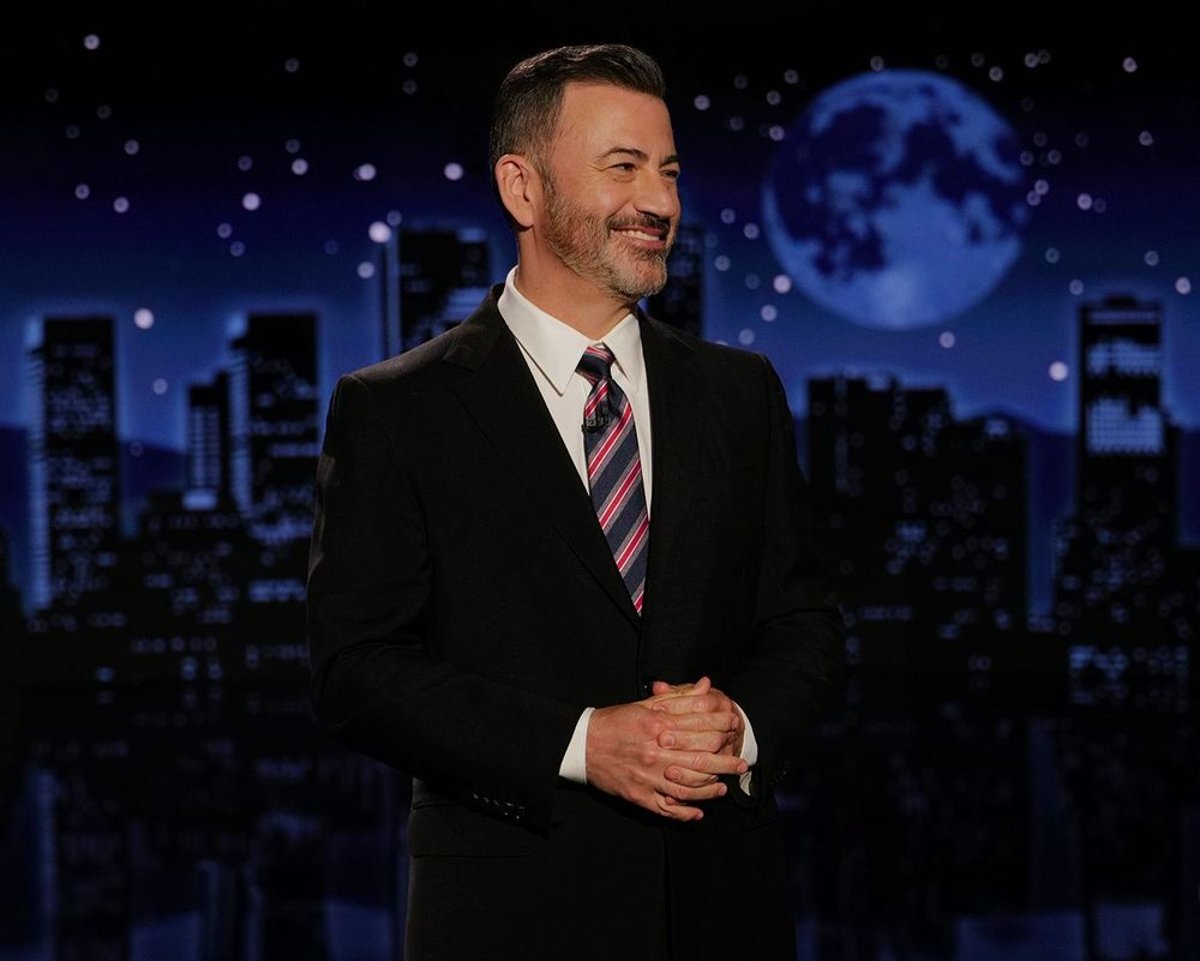
Sinclair Broadcasting is putting Jimmy Kimmel back on television tonight, reversing its decision to pull the late-night host from 38 ABC affiliate stations. The move comes just days after Disney reinstated Kimmel following pressure from FCC Chairman Brendan Carr, highlighting the ongoing tension between government influence and broadcast autonomy in an increasingly polarized media landscape.
Sinclair Broadcasting is bringing Jimmy Kimmel back to late-night television tonight, ending a brief but controversial blackout that exposed the delicate balance between government pressure and editorial independence in American broadcasting. The company announced on social media that it will resume airing Jimmy Kimmel Live! on its 38 ABC affiliate stations, starting with a rerun of Tuesday's episode.
The reversal comes after Disney reinstated Kimmel from suspension earlier this week, but Sinclair initially held firm on its decision to replace the show with local news programming. That changed today, though the company is working hard to distance itself from any suggestion that government pressure influenced its editorial choices.
"Our decision to preempt this program was independent of any government interaction or influence," Sinclair said in a statement that reads like a careful legal document. "Free speech provides broadcasters with the right to exercise judgment as to the content on their local stations."
But the timeline tells a different story. FCC Chairman Brendan Carr sent threatening letters to broadcasters last week after Kimmel made a joke about the alleged shooter of right-wing activist Charlie Kirk. Within days, both Sinclair and rival broadcaster Nexstar had pulled the show from their ABC affiliates, followed quickly by Disney's decision to suspend Kimmel entirely.
The speed of those decisions raised eyebrows across the industry. Broadcast veterans privately questioned whether station groups would move so quickly on their own initiative, especially given the potential advertising revenue at stake. Late-night programming typically generates solid returns for local stations through syndication deals.
Sinclair's statement today attempts to reframe the controversy around content standards rather than political pressure. The company revealed it has been in discussions with ABC about "measures to strengthen accountability, viewer feedback, and community dialogue, including a network-wide independent ombudsman."
That proposal hasn't gained traction with Disney yet. "While ABC and Disney have not yet adopted these measures, and Sinclair respects their right to make those decisions under our network affiliate agreements, we believe such measures could strengthen trust and accountability," the company added.
The ombudsman idea represents a significant escalation in how broadcasters might handle controversial content going forward. It would essentially create an independent watchdog within the network structure, potentially giving local affiliates more ammunition to challenge programming decisions from New York or Los Angeles.
Meanwhile, Nexstar, which controls about 30 ABC affiliates according to CNBC, remains silent on whether it will follow Sinclair's lead. The company didn't respond to requests for comment, leaving roughly 30 markets still without access to Kimmel's show.
The brewing standoff highlights broader tensions in the broadcast industry as traditional media companies navigate an increasingly politicized environment. Local station groups wield significant power through their affiliate agreements, but they also depend on network programming to fill primetime and late-night slots.
Disney's strategic communications team, led by SVP Richard Horrmann, declined to comment on the ongoing negotiations with affiliates. But the company's quick reinstatement of Kimmel suggests it views the host as too valuable an asset to lose over political controversy.
For viewers in Sinclair markets, tonight's return means access to one of television's last remaining topical comedy shows. But the precedent set by this week's events - where government pressure and corporate responses played out in real time - signals that the relationship between federal regulators and broadcast content may be entering a new, more confrontational phase.
Sinclair's decision to bring back Jimmy Kimmel represents more than just a programming reversal - it's a test case for how media companies will handle government pressure in an era of increasing political polarization. While the company insists its decisions were independent, the rapid sequence of events from FCC threats to affiliate blackouts to network suspension suggests a new dynamic where federal regulators can influence local programming choices through intimidation rather than formal regulation. How this plays out with Nexstar and future controversies will likely set the tone for broadcaster independence going forward.