Pitchfork is throwing out three decades of editorial authority by beta testing user comments and reader scores on album reviews. The iconic music publication's pivot to user-generated content marks a dramatic shift for a site that built its reputation on uncompromising critical takes, as traditional media outlets scramble to compete with social media influencers.
Pitchfork just pulled the ultimate midlife crisis move. After nearly three decades of serving as music's most unforgiving gatekeeper, the publication is now begging readers to validate its opinions through comments and user scores.
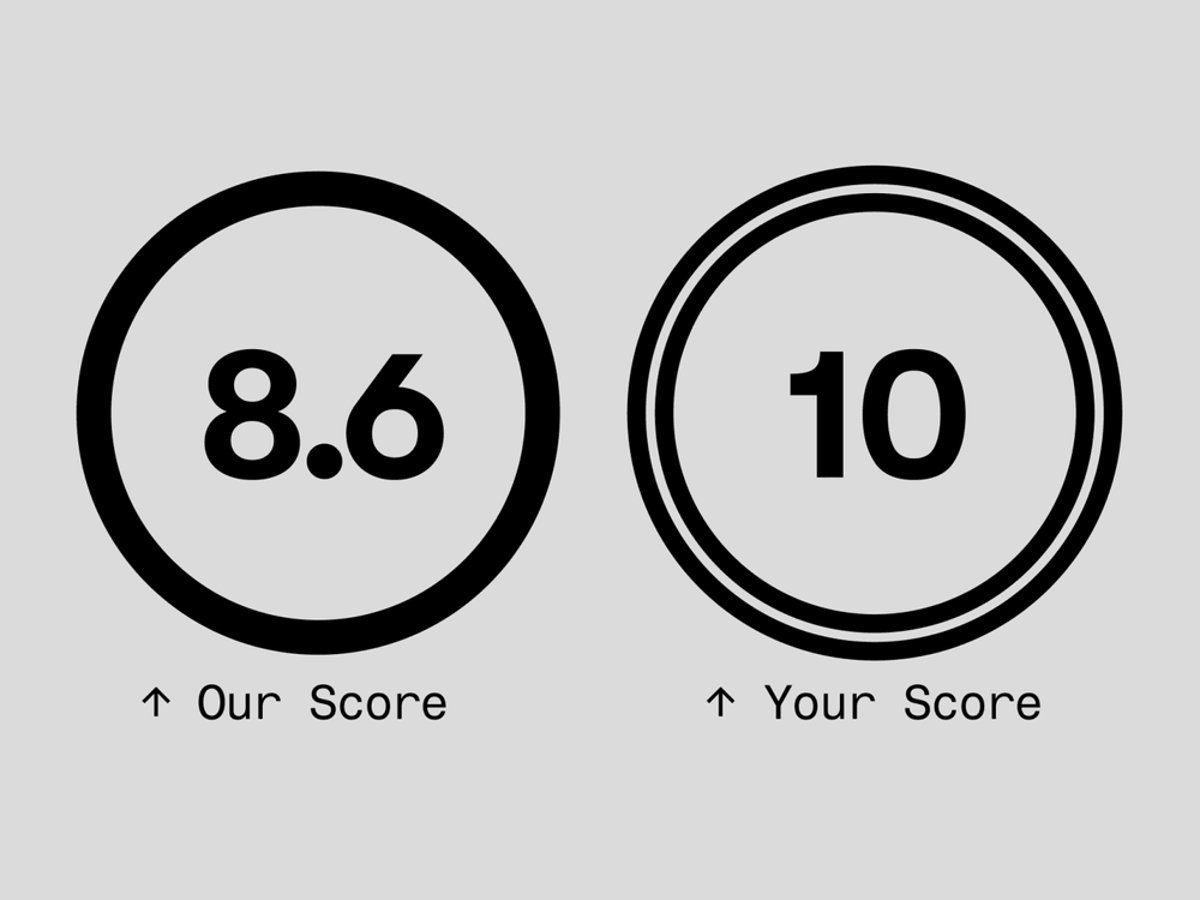
The beta test, announced on Pitchfork's site, lets users rate albums using the same 10-point scale that made careers and destroyed egos. These reader scores get averaged into a collective rating displayed right next to the official review score. It's like watching your stern professor suddenly ask what grade you think you deserve.
This represents a seismic shift for Pitchfork, which built its brand on editorial tyranny. Remember when they gave Jet's Shine On a 0.0? There was no appeal process, no comment section for outraged fans - just brutal finality. If you disagreed, your only recourse was screaming into the Twitter void.
But those days of unchallenged authority are crumbling. Like most legacy media, Pitchfork has watched audiences migrate to TikTok music reviewers and YouTube personalities who actually respond to their communities. Advertising revenue has dried up faster than a one-hit wonder's career.
The timing couldn't be more ironic. While platforms like Instagram and Twitter reduce comment visibility, Pitchfork is doubling down on user engagement. It's essentially trying to become Rotten Tomatoes for music - a comparison that should terrify anyone who's watched that site's credibility erode under review bombing campaigns.
"In addition to commenting, you will also have the opportunity to add your own score to an album review using Pitchfork's rating system," the announcement explains with corporate blandness that would've earned a scathing review in the old days. "This score will be shown next to your comment and will be aggregated with other readers to form a 'reader score' alongside Pitchfork's official score."
The implications are delicious and terrifying. Imagine Swifties coordinating to give Reputation a perfect 10 while Pitchfork critics maintain their 6.5 stance. Or K-pop stans mobilizing to review-bomb anything that dares criticize their favorites. The site that once wielded cultural influence through pure critical authority is about to learn what democracy looks like.
Pitchfork has already started experimenting with crowd-pleasing content, dropping "absolutely deranged best-of lists" that feel more like engagement bait than serious criticism. The user review system feels like the logical next step in this race to the bottom.
This isn't just about one music site - it's a microcosm of how traditional media is cannibalizing itself trying to stay relevant. The same publications that built reputations on editorial independence are now chasing the approval of the very audiences they once educated and challenged.
The beta test will likely succeed in generating engagement, controversy, and clicks. But it might also mark the moment Pitchfork stopped being Pitchfork and became just another opinion aggregator in the attention economy.
Pitchfork's embrace of user reviews signals more than just a product update - it's a white flag in the war for cultural authority. After three decades of shaping music discourse through pure editorial will, the publication is now asking readers to co-sign its opinions. Whether this democratization saves or destroys what made Pitchfork special remains to be seen, but one thing's certain: the age of unquestioned music criticism is officially over.