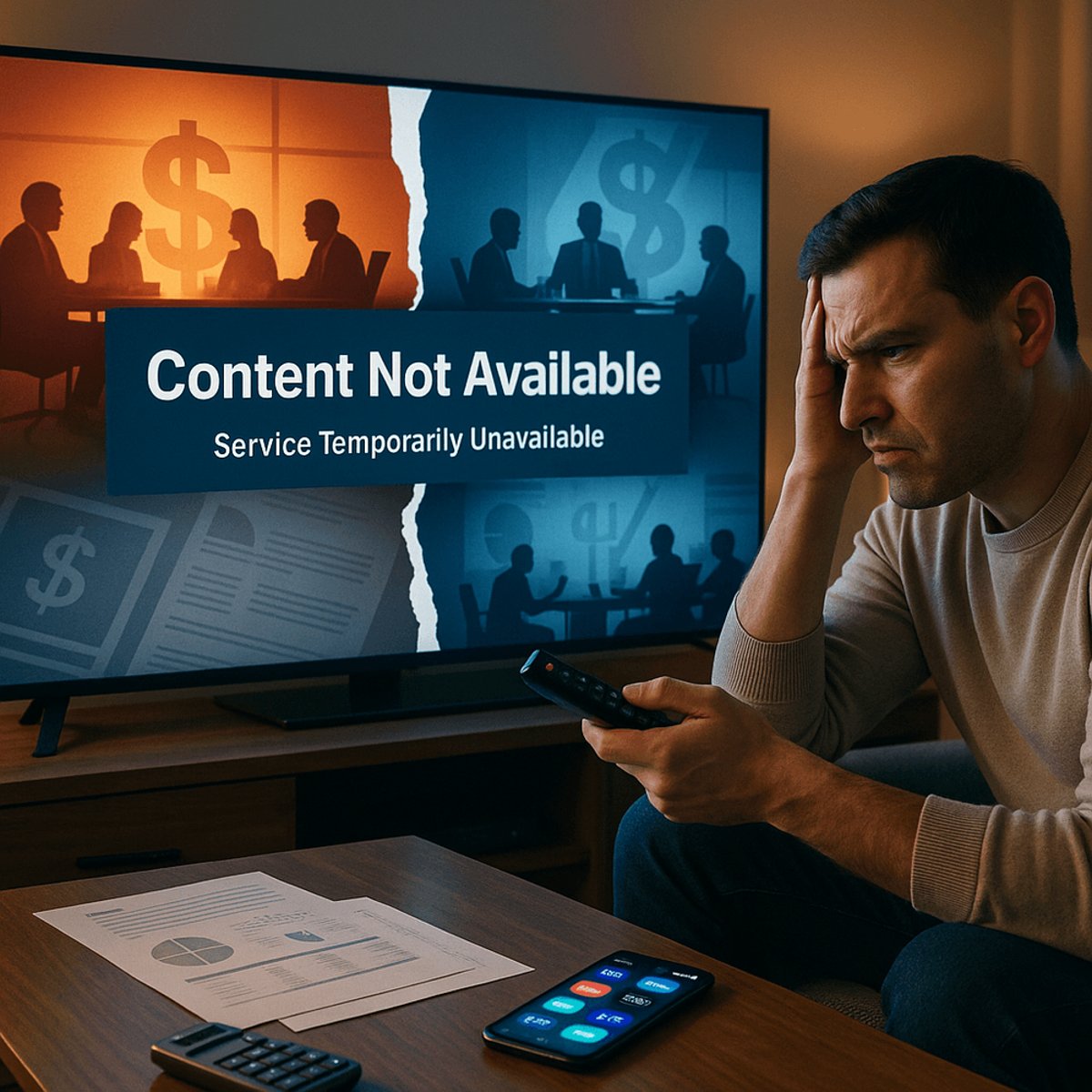
YouTube TV is handing out $20 credits to frustrated subscribers as its carriage dispute with Disney enters its second week. The blackout has left millions without ESPN, ABC, and other Disney networks since October 31, while both companies dig in over what appears to be a fundamental disagreement about fair pricing in the streaming wars.
YouTube TV subscribers are getting a rare glimpse into the brutal economics powering the streaming wars. Google's live TV service just announced $20 credits for customers caught in the crossfire of its ongoing carriage dispute with Disney, now stretching into its second week.
The blackout began October 31 when negotiations broke down over what both sides frame as fair pricing. YouTube claims Disney demanded unreasonable rate increases, while Disney counters that YouTube is "refusing to pay fair rates for our channels," according to statements reported by Variety.
For subscribers, that means no ESPN during peak sports season, no ABC primetime shows, and no Disney Channel content. The timing couldn't be worse - college football playoffs, NBA season, and major network programming all vanishing from what many consider their primary TV source.
YouTube says credits are rolling out now via email instructions, a tacit admission that this dispute won't resolve quickly. The company promises Disney channels will return "within hours" of any deal, but insiders suggest both sides remain far apart on pricing.
This marks a significant escalation from their last major dispute in 2022, which lasted just one day and resulted in $15 credits. The longer duration and higher compensation suggest deeper structural issues in how streaming platforms and content owners split revenue.
The dispute reflects broader industry tensions as traditional TV economics crumble. Streaming services like YouTube TV face pressure to keep subscription prices competitive while content companies demand higher rates to offset cord-cutting losses. Disney, in particular, has grown more aggressive about pricing as it tries to make its streaming portfolio profitable.
YouTube TV currently charges $72.99 per month for its base package, positioning it as a premium cord-cutting option. But carriage disputes like this one expose the fragility of that value proposition when major content disappears overnight.
Other streaming TV services haven't escaped similar battles. YouTube TV has previously clashed with Paramount, Sinclair, and regional sports networks over carriage fees, each time offering credits to maintain subscriber goodwill.
What makes this Disney dispute particularly significant is the breadth of affected content. ESPN alone drives significant subscriber decisions, while ABC provides crucial local news and entertainment programming that streaming-first services often lack.
Industry analysts suggest these disputes will intensify as traditional media companies face mounting pressure to extract maximum value from their content libraries. For consumers, it means more service disruptions and potentially higher prices as platforms pass along increased content costs.
The $20 credit, while appreciated by subscribers, barely covers a third of YouTube TV's monthly fee. It's more gesture than genuine compensation, designed to prevent mass cancellations while negotiations continue behind closed doors.
The YouTube TV-Disney standoff represents more than a simple business dispute - it's a preview of streaming's rocky future as traditional TV economics collapse. While $20 credits might soften subscriber anger, the real question is whether streaming platforms can maintain affordable pricing while content costs soar. For now, millions of YouTube TV users are learning the hard way that cord-cutting doesn't guarantee escape from the old cable TV playbook.