Skyryse just joined the unicorn club. The El Segundo-based aviation automation startup closed a $300 million Series C led by Autopilot Ventures, pushing its valuation to $1.15 billion. The timing isn't coincidental - Skyryse is in the final stretch of Federal Aviation Administration certification for SkyOS, its universal flight control system that's already landed contracts with the U.S. military, emergency medical operators, and corporate aviation players. With over $605 million raised since 2016, the company is betting it can do for aircraft what touchscreens did for smartphones.
Skyryse just became aviation's newest unicorn, and the startup's timing couldn't be better. The El Segundo company announced Tuesday it closed a $300 million Series C led by Autopilot Ventures, catapulting its valuation to $1.15 billion just as it enters the home stretch of a multi-year Federal Aviation Administration certification process.
The round drew a who's-who of institutional investors - Fidelity Management & Research Company, ArrowMark Partners, Atreides Management, Baron Capital Group, Durable Capital Partners, and Qatar Investment Authority among them - signaling Wall Street's growing appetite for aviation automation plays. Since its 2016 founding, Skyryse has now pulled in more than $605 million in equity capital, according to TechCrunch.
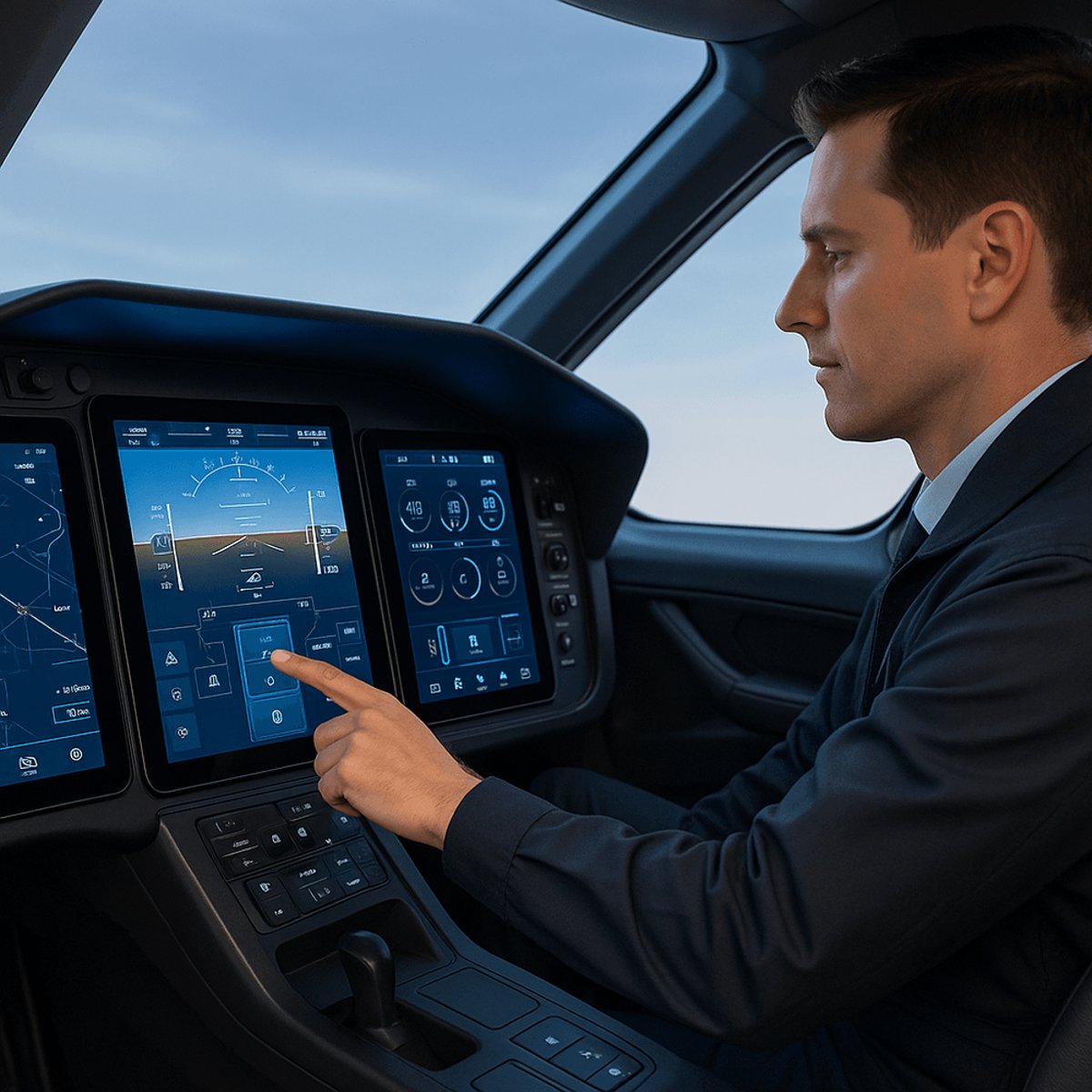
What's got investors opening their checkbooks? Skyryse is building something the aviation industry has never really cracked - a universal operating system for aircraft that works like your iPhone. The company's SkyOS platform strips out the bewildering array of mechanical controls, gauges, and switches that have defined cockpits for decades and replaces them with simplified touchscreen interfaces backed by flight computers that handle the hairiest parts of flying.
This isn't full autonomy - a human pilot still runs the show. But SkyOS automates the stuff that kills people. Engine failures during hover, sketchy landings in bad weather, the kind of split-second decisions that separate experienced pilots from dead ones. The system essentially acts as a highly capable co-pilot that never gets tired, distracted, or overwhelmed.
Skyryse started with helicopters, arguably the most unforgiving aircraft to operate. The company's initial Skyryse One system automates takeoff, landing, hover, and critically, engine-out emergency landings - the scenario that has claimed countless lives when helicopters lose power. Getting that right on helicopters means the technology should translate to just about anything with wings or rotors.
And that's exactly what's happening. The U.S. military has already integrated SkyOS on Black Hawk helicopters. United Rotorcraft, Air Methods (one of the largest air ambulance operators), and Mitsubishi Corporation have all signed contracts to retrofit their fleets with the system. The value proposition is straightforward - safer operations, reduced pilot training time, and the ability to keep aircraft flying in conditions that would normally ground them.
The FAA piece is crucial. Aviation regulators don't move fast, and they shouldn't - people's lives depend on getting this stuff right. But Skyryse cleared a major hurdle last year when the FAA granted final design approval for its SkyOS flight control computers. That's the regulatory equivalent of clearing the technical exam. What remains is formal flight testing and verification, the lengthy but straightforward process of proving the system works exactly as designed under every conceivable scenario.
Once that certification lands - and with $300 million in fresh capital, Skyryse has the runway to see it through - the company can move to commercial deployment at scale. The capital will fund those final certification pushes and, more importantly, integration across numerous aircraft types. Every new aircraft platform requires its own integration work, and Skyryse is essentially trying to become the iOS of aviation.
The competitive landscape here is fascinating. While companies like Joby Aviation and others are building entirely new electric vertical takeoff and landing aircraft, Skyryse is taking a different approach - retrofitting the existing global fleet. There are hundreds of thousands of helicopters and small aircraft already flying that could benefit from automation technology. That's a massive addressable market that doesn't require waiting for entirely new aircraft to be certified and manufactured.
The military angle is particularly strategic. Defense customers provide both validation and patient capital - they'll work with you through long development cycles if the technology solves real problems. And military helicopters face some of the most demanding operating conditions imaginable. If SkyOS can handle combat environments, commercial operators should be an easier sell.
Emergency medical services represent another compelling use case. Air ambulance operations are notoriously dangerous - flying in marginal weather, landing in unprepared areas, operating under time pressure. Exactly the scenarios where automation can prevent accidents. Air Methods, which operates over 300 aircraft across the U.S., betting on Skyryse suggests the technology is ready for real-world, life-or-death operations.
The $1.15 billion valuation puts Skyryse in rarefied air for aviation startups, but it's still a fraction of what investors have poured into the eVTOL space. That might actually be strategic - Skyryse is solving a problem that exists today with aircraft that are already certified and flying, rather than betting on entirely new categories of vehicles that may take years to reach commercial viability.
Skyryse's path to unicorn status reflects a broader shift in how investors are thinking about aviation innovation. Rather than betting exclusively on electric aircraft that won't reach scale for years, capital is flowing to companies solving immediate safety and operational challenges with existing fleets. With FAA certification within reach and a growing roster of military and commercial customers, Skyryse is positioning itself as the infrastructure layer for automated flight - regardless of what aircraft actually does the flying. The real test comes next: proving that a universal flight operating system can deliver on its safety promises while scaling across dozens of aircraft types and thousands of operators.