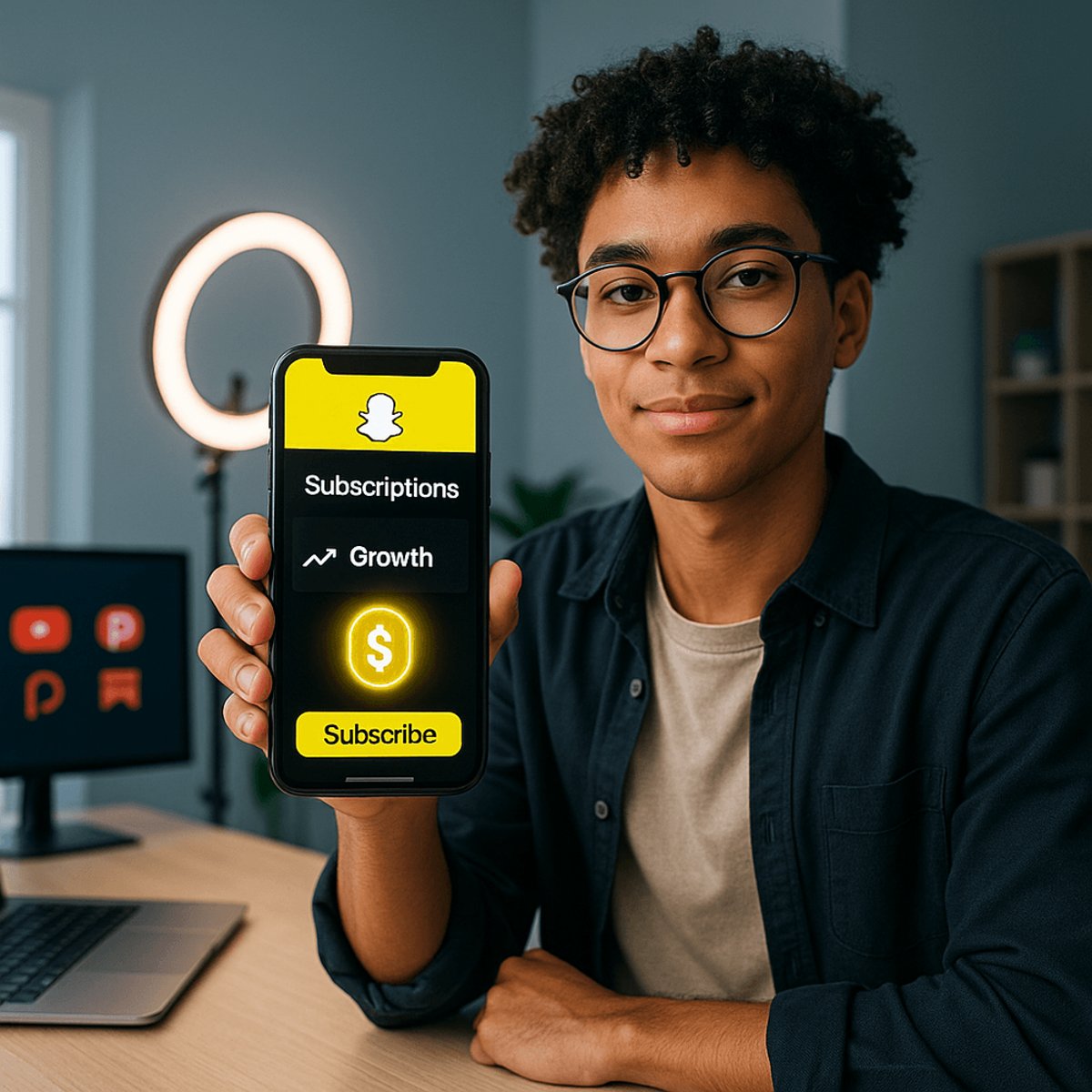
Snap is rolling out a creator subscription platform, marking the company's latest attempt to diversify beyond its advertising-dependent business model. The move puts Snapchat in direct competition with established players like Patreon, Substack, and creator-focused platforms, while going head-to-head with subscription features already offered by YouTube and Instagram. The timing signals Snap's urgency to build recurring revenue streams as digital advertising markets remain volatile.
Snap is making its most aggressive move yet into the creator economy, launching a subscription platform that lets content creators charge fans for exclusive access. The announcement comes as the company grapples with persistent questions about its ability to grow beyond traditional advertising revenue, which has historically dominated its business model.
The creator subscription space has exploded over the past few years, with platforms like Patreon processing over $3.5 billion in creator payments and Substack hosting thousands of paid newsletters. Even adult content platform OnlyFans has demonstrated the viability of direct-to-fan monetization at scale. Now Snap wants a piece of that action.
But the company faces formidable competition. YouTube has been refining its channel membership program for years, giving creators tools to offer exclusive badges, emojis, and members-only content. Instagram, owned by Meta, launched subscriptions in 2022 and has steadily expanded the feature across its massive creator base. Both platforms benefit from established creator ecosystems and proven monetization infrastructure.
What makes Snap's entry particularly interesting is the platform's unique position with younger audiences. Snapchat remains deeply embedded in Gen Z daily habits, with the app's ephemeral content and AR filters creating engagement patterns distinct from other social platforms. If Snap can translate that engagement into subscription revenue, it could finally build the recurring income streams Wall Street has been demanding.
The strategic imperative is clear. Digital advertising revenue remains unpredictable, buffeted by privacy changes, economic headwinds, and competition from short-form video platforms. Subscription revenue offers predictability and higher margins, a combination that's proven attractive to investors valuing other creator platforms. Patreon reached a $4 billion valuation in 2021 largely on the strength of its recurring revenue model.
For creators, the calculus centers on where their audiences actually are and which platform offers the best economics. Patreon typically takes 5-12% of creator earnings, while Substack takes 10%. Platform fees, payment processing costs, and audience size all factor into creator decisions about where to invest their energy. Snap will need to offer competitive rates and compelling features to convince creators to add another subscription platform to their monetization stack.
The broader trend points toward fragmentation in the creator economy. Creators increasingly maintain presences across multiple platforms, each serving different audience segments and revenue purposes. A creator might use YouTube for long-form video ads, Patreon for superfan subscriptions, Substack for newsletters, and now potentially Snapchat for mobile-first, ephemeral premium content.
What remains unclear is whether Snap's subscription offering will include unique features that leverage the platform's technical strengths. The company pioneered AR lenses and has invested heavily in computer vision and augmented reality. Exclusive AR experiences or custom lenses could differentiate Snap's creator subscriptions from the text and video focus of competitors.
The market will be watching closely to see if Snap can execute where it's stumbled before. The company launched Snapchat+ in 2022, a consumer subscription offering exclusive features, which has quietly grown to millions of subscribers. That experience could inform how the company approaches creator subscriptions, but the dynamics are fundamentally different when you're enabling thousands of individual creator businesses rather than selling a single premium product.
Industry observers note that timing matters. The creator economy has matured significantly since 2020's explosive growth. Creators have become more sophisticated about platform economics and audience ownership. They're less likely to go all-in on a new platform without clear advantages. Snap will need to prove it can deliver both audience and revenue at scale.
Snap's entry into creator subscriptions represents both opportunity and risk. The company has a captive young audience and technical capabilities that could differentiate its offering from crowded competition. But success demands more than just launching a feature - it requires building an entire creator ecosystem that can compete with established platforms that already process billions in creator payments. Whether Snap can convert its engagement advantage into subscription revenue will determine if this becomes a meaningful revenue diversifier or another feature that fails to move the needle. The creator economy has room for multiple winners, but only if each platform offers something competitors can't match.