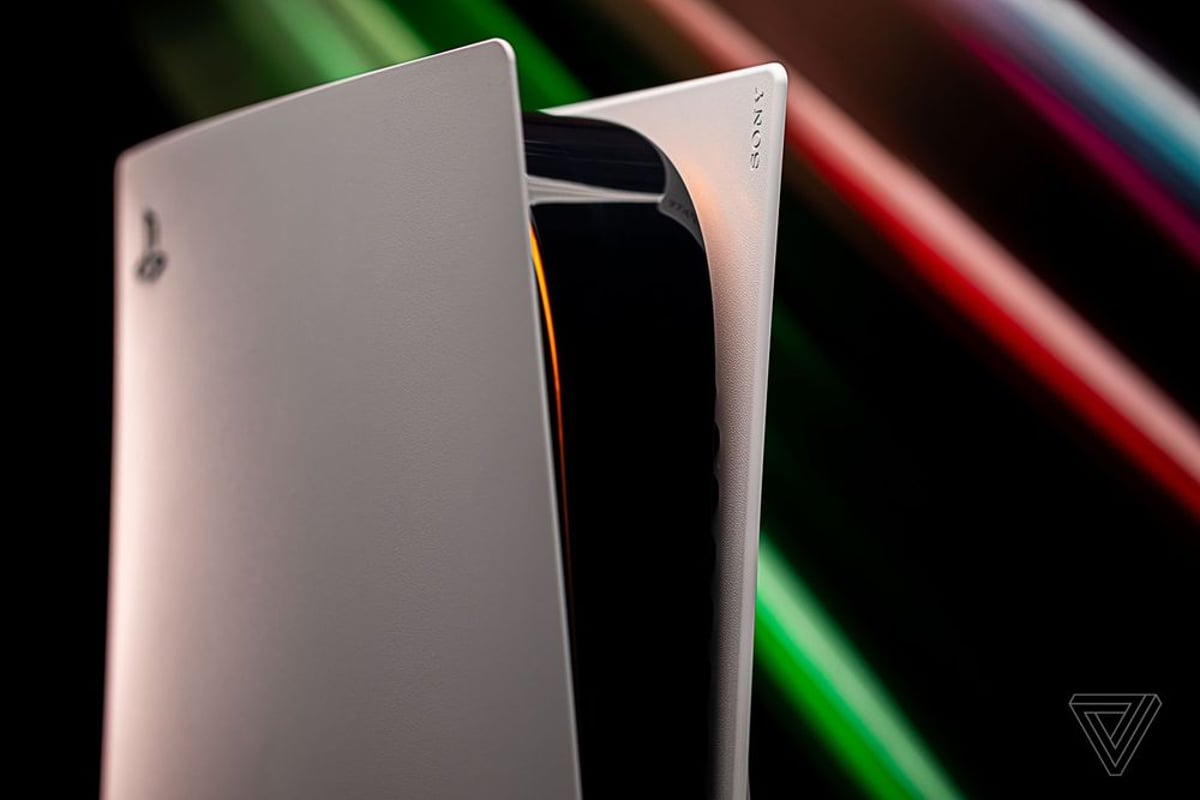
Sony just delivered unwelcome news to gamers worldwide. Starting April 2nd, the company is raising PlayStation 5 prices by $100 across its entire console lineup - marking the second significant price increase in less than a year. The standard PS5 will now cost $649.99, while the high-end PS5 Pro hits $899.99. It's a bold move that could reshape the console wars just as the holiday buying season approaches.
Sony is putting its PlayStation dominance to the test. The gaming giant announced Friday it's raising prices across its entire PS5 lineup by $100, effective April 2nd - a move that pushes the flagship console to $649.99 and the premium PS5 Pro to a eye-watering $899.99. According to the official PlayStation blog post, the PS5 Digital Edition will now cost $599.99, up from $499.99.
The timing couldn't be more striking. This marks the second price increase in less than 12 months, following a $50 hike across all three models last August. That's a cumulative $150 increase for the standard PS5 since mid-2025 - pushing what was once a $499.99 console at launch to nearly $650.
Sony's also not stopping at consoles. The PlayStation Portal remote player is jumping from $199.99 to $249.99, a 25% increase that suggests the company's cost pressures extend across its entire gaming ecosystem. The company cited "continued pressures" in its brief announcement, though it stopped short of detailing specific supply chain or component cost challenges.
The move puts Sony in risky territory. While PlayStation has maintained strong market leadership - the PS5 has sold over 50 million units since its 2020 launch - aggressive pricing could open doors for competitors. Microsoft has kept Xbox Series X prices stable at $499.99, while Nintendo continues to dominate the portable market with the Switch priced at $299.99.
What's particularly bold about this increase is the timing within the console lifecycle. The PS5 is now over four years old, a point where prices typically drop to drive late-cycle adoption. Instead, Sony's betting that its exclusive game library - including upcoming titles like the next God of War and Spider-Man installments - will keep demand strong enough to absorb the higher prices.
Industry analysts are watching closely. The gaming hardware market has been volatile since the pandemic, with component shortages, tariff uncertainties, and shifting consumer spending patterns. Sony's willingness to raise prices twice in rapid succession suggests either genuine cost pressures or confidence that its market position can withstand premium pricing.
The $899.99 PS5 Pro price point is especially noteworthy. That's inching toward gaming PC territory, where consumers can build or buy systems with arguably more flexibility and power. But Sony's betting on the simplicity and exclusive ecosystem of PlayStation to justify the premium.
For context, when Sony last raised console prices significantly during the PS3 era, it faced backlash that helped Microsoft's Xbox 360 gain market share. The company eventually had to introduce cheaper models and bundles to regain momentum. Whether history repeats itself depends on how loyal PlayStation fans remain when faced with these new price tags.
The global nature of the increase also signals this isn't just a regional adjustment. Sony's implementing the hikes across all markets simultaneously, suggesting coordinated cost pressures rather than currency fluctuations or localized supply issues.
What happens next will reveal a lot about the console market's price elasticity. If Sony sees significant sales drops, it may need to reverse course or offer aggressive bundles. If demand holds steady, it could embolden other hardware makers to follow suit. Either way, April 2nd just became a key date for the gaming industry.
Sony's double price increase in under a year represents a major gamble on PlayStation's brand strength. The company's essentially asking consumers to pay 30% more than they did a year ago for the same hardware - a test of loyalty that could either validate its premium market position or open the door for Microsoft and Nintendo to capture price-conscious gamers. With the holiday season still months away, all eyes will be on April 2nd to see if Sony's bet on inelastic demand pays off or if the gaming giant needs to reverse course.