Elon Musk is orchestrating what could be the most audacious corporate consolidation in tech history. SpaceX and xAI are in active merger talks that would combine satellite networks, rocket infrastructure, and AI chatbot technology under one entity ahead of a planned SpaceX IPO this June, according to a report from Reuters. The move would unite Musk's $800 billion space giant with his AI startup, creating an unprecedented tech conglomerate spanning Earth orbit to artificial intelligence.
SpaceX and xAI are in active discussions to merge ahead of a planned SpaceX public offering this year, creating what would be one of the most valuable and strategically unusual tech conglomerates ever assembled. The deal would bring together rocket launches, satellite internet, AI chatbots, and social media under a single corporate umbrella, according to Reuters sources familiar with the negotiations.
The merger machinery is already in motion. Nevada corporate filings reveal that two new entities - K2 Merger Sub Inc. and K2 Merger Sub 2 LLC - were established on January 21, the typical legal scaffolding used to execute complex corporate combinations. Neither SpaceX nor xAI representatives have commented publicly on the talks, but the timing aligns perfectly with Musk's stated goal of taking SpaceX public by June, according to a recent Financial Times report.
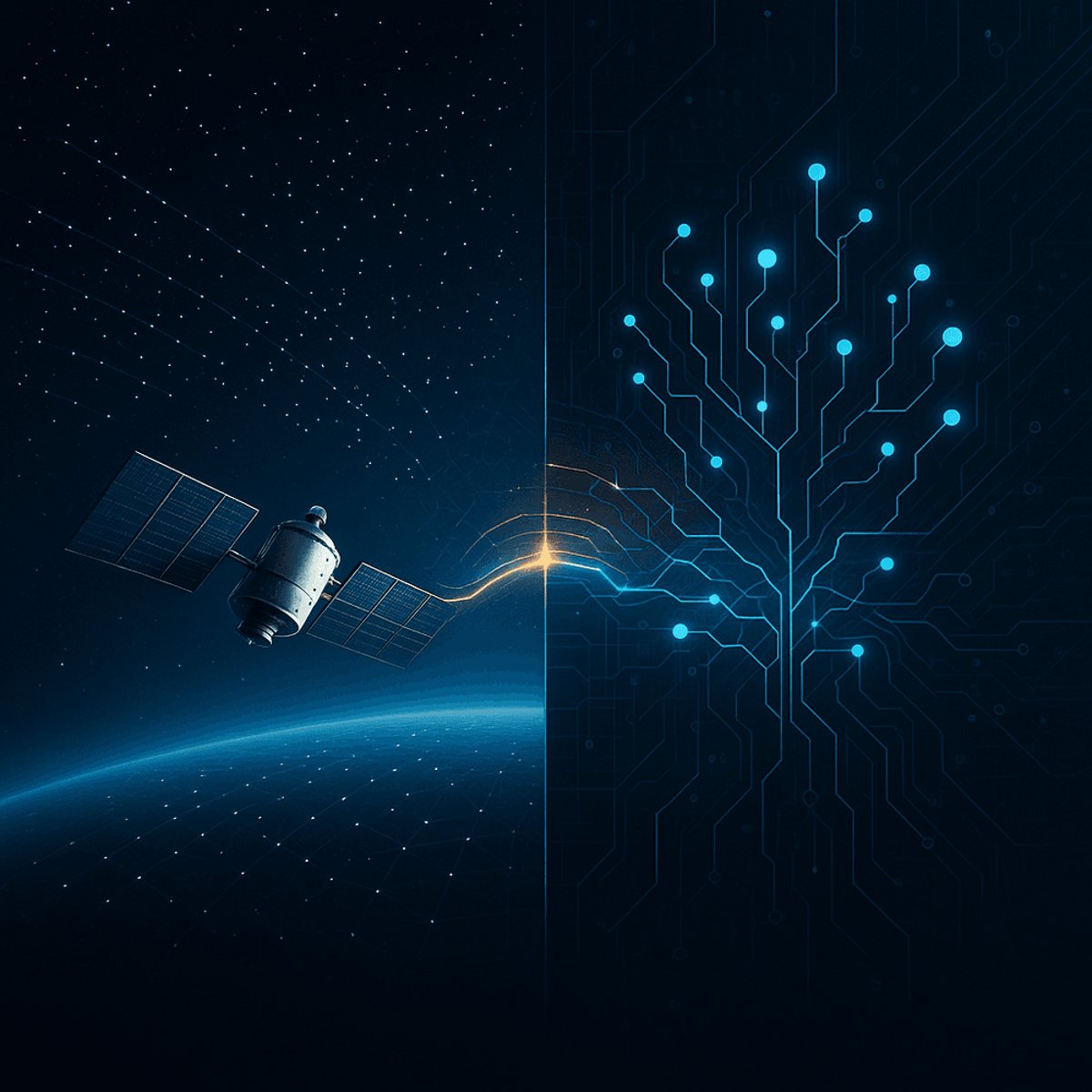
The strategic logic is bold and characteristically Muskian. Combining the companies would give xAI direct access to SpaceX's Starlink satellite network and launch capabilities, potentially enabling one of Musk's more ambitious recent promises: deploying AI data centers in space. Musk told investors earlier this month that he wants to pursue space-based AI computing, a concept that would solve terrestrial data center power and cooling constraints while leveraging SpaceX's reusable rocket economics.
The valuation math is staggering. SpaceX recently completed a secondary sale that valued the company at $800 billion, making it America's most valuable private company. Meanwhile, xAI was valued at $80 billion when it acquired X (formerly Twitter) last year in a deal that assigned X a $33 billion price tag. A merged entity could command a market cap approaching $900 billion at IPO, rivaling Apple and Microsoft in scale.
This merger represents the culmination of months of financial interweaving between Musk's companies. SpaceX committed $2 billion to xAI last year, according to The Wall Street Journal, providing crucial capital for xAI's data center buildout and Grok AI development. Then this week, Tesla disclosed it also invested $2 billion in xAI, raising questions about conflicts of interest and whether Tesla shareholders are inadvertently funding Musk's other ventures.
The consolidated entity would control an unprecedented technology stack. SpaceX brings its Falcon and Starship rocket fleets, the Starlink satellite constellation serving millions of customers globally, and Dragon spacecraft capable of ferrying crew and cargo. xAI contributes the Grok chatbot that competes with OpenAI's ChatGPT and Google's Gemini, plus ownership of X and its real-time data firehose that feeds Grok's training.
But the merger also concentrates enormous power in Musk's hands. He already controls Tesla, SpaceX, xAI, X, Neuralink, and The Boring Company. Combining SpaceX and xAI would create a vertical integration spanning space infrastructure, satellite communications, AI development, and social media distribution - all answerable to one individual who's simultaneously serving in a U.S. government advisory role.
Investors and regulators will scrutinize whether the deal benefits shareholders or primarily serves Musk's vision of integrated space-AI infrastructure. SpaceX's existing investors, who've patiently waited over two decades for liquidity, may question whether adding AI business complexity helps or hurts the path to public markets. Meanwhile, xAI stakeholders might wonder if their AI investment is being diluted by SpaceX's capital-intensive launch and satellite operations.
The timeline remains characteristically Musk-style ambitious. A June IPO for a newly merged entity would require navigating SEC registration, shareholder approvals, and integration planning in less than five months. Musk's track record on deadlines - from Tesla production targets to SpaceX Mars timelines - suggests investors should expect delays. But the deal structure itself signals serious intent beyond Musk's typical off-the-cuff pronouncements.
Competitors are already adjusting their strategies. Amazon's Project Kuiper satellite internet service faces an even more formidable rival if SpaceX-xAI can bundle Starlink connectivity with AI services. Microsoft and Google, both investing heavily in AI infrastructure, must now consider a competitor with its own orbital data center platform. The merger reshapes competitive dynamics across three industries simultaneously.
This potential merger represents more than corporate consolidation - it's a bet that the future of AI depends on space infrastructure. If Musk pulls off the combination and June IPO, public market investors will finally get access to SpaceX while taking on exposure to the unpredictable AI wars. The deal would create unprecedented vertical integration from orbit to algorithms, giving one company control over satellite communications, rocket launches, AI development, and social media distribution. Whether that concentration of technological power in Musk's hands proves visionary or problematic remains the defining question as K2 Merger Sub paperwork transforms into reality.