Super Bowl 2026 became a proving ground for AI-generated advertising, and the technology stumbled badly. Brands flooded the biggest advertising stage in America with AI-created commercials, betting that generative AI had finally matured enough for prime time. Instead, the deluge of artificial imagery and uncanny video sequences left viewers cold, highlighting a widening gap between what AI can technically produce and what actually resonates with human audiences. The experiment raises serious questions about whether generative AI is ready for high-stakes marketing moments.
Super Bowl 2026 just delivered a harsh reality check for generative AI in advertising. Despite a year of technical improvements and industry hype, the flood of AI-generated commercials that dominated this year's Big Game fell flat with viewers, exposing the technology's creative limitations on advertising's most expensive and scrutinized stage.
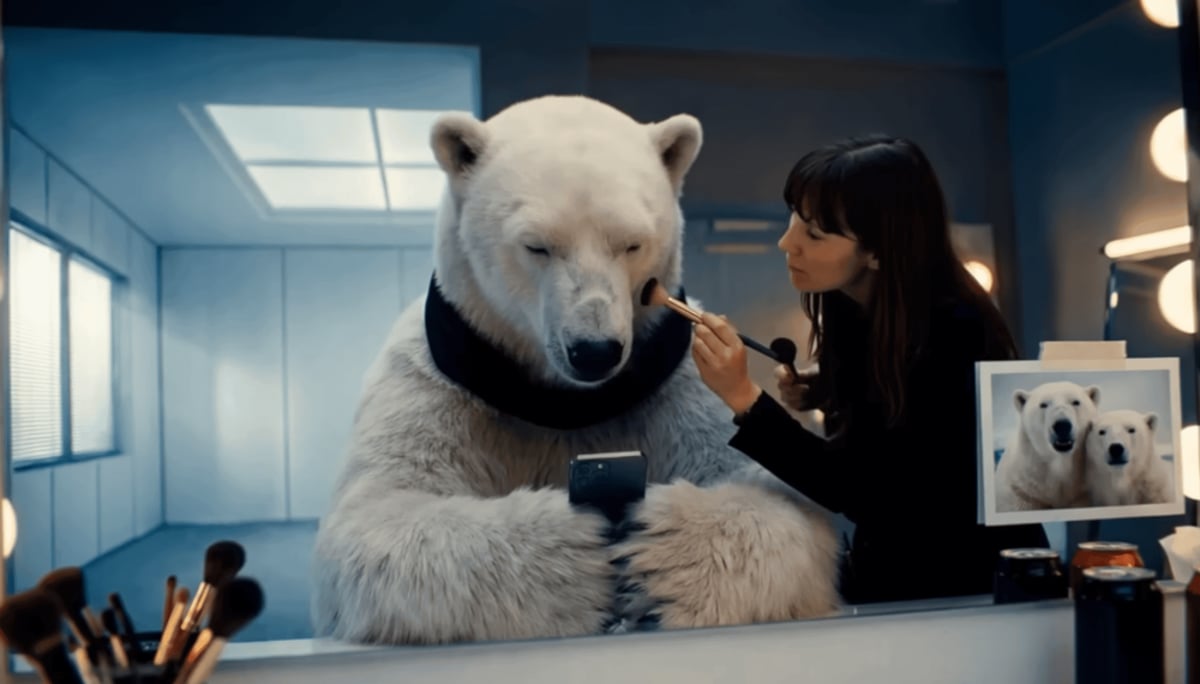
The shift was impossible to miss. While previous Super Bowls featured scattered experiments with AI-generated content, this year's event became oversaturated with artificial imagery. From polar bears getting makeup applied at vanities to surreal product demonstrations that felt slightly off, brands clearly decided 2026 was the year to go all-in on generative AI for their multimillion-dollar ad spots.
The reasoning behind this mass adoption isn't mysterious. Image and video generation models have become somewhat more sophisticated over the past 12 months. They're still producing footage that's noticeably inferior to human-created content, but they've crossed a threshold where major brands now feel comfortable attaching their names to AI-derived commercials. More importantly, using AI to generate ad footage is dramatically cheaper and faster than traditional production with crews, actors, and post-production teams.
But cost efficiency doesn't translate to effectiveness. The AI-generated spots that aired during Super Bowl 2026 struggled to capture the emotional resonance and creative spark that makes Super Bowl advertising memorable. The technology can produce technically coherent visuals now, but it consistently misses the nuanced storytelling and human connection that separates forgettable ads from cultural moments.
According to Charles Pulliam-Moore's reporting for The Verge, every brand that produced Super Bowl spots with generative AI this year "failed in terms of making gen AI seem useful or like something worth getting excited about." That's a damning assessment for an industry that's poured billions into convincing businesses that AI can replace creative professionals.
The saturation level at this year's game reveals how quickly brands are adopting AI tools without fully considering whether the output serves their marketing goals. Companies that once prided themselves on investing in top-tier creative talent and production values opted for AI-generated alternatives, betting that viewers either wouldn't notice the difference or wouldn't care. The tepid response suggests they miscalculated on both fronts.
This isn't just about aesthetic preferences. Super Bowl commercials succeed when they create emotional moments that viewers remember and share. They need to be funny, touching, surprising, or culturally relevant. Generative AI consistently produces content that feels slightly synthetic, missing the timing and emotional intelligence that human creators bring to storytelling. When you're paying upwards of $7 million for 30 seconds of airtime, "good enough" isn't good enough.
The technology's limitations become especially apparent when multiple AI-generated ads air back-to-back, as happened repeatedly during this year's game. The similar visual artifacts, slightly off proportions, and uncanny movement patterns create a numbing effect. What might pass unnoticed as a single experimental spot becomes glaringly obvious when AI-generated content dominates an entire commercial break.
Some creative tools from companies like Artlist have made AI video generation more accessible to brands and agencies, accelerating adoption. But accessibility doesn't equal quality. The Super Bowl proved that having the tools to create AI content and knowing how to use them effectively for high-stakes marketing are vastly different challenges.
The advertising industry now faces an inflection point. Brands invested heavily in AI-generated content for Super Bowl 2026, and the results weren't just disappointing - they were forgettable. That's perhaps the harshest verdict in an industry where memorability is everything. The question is whether brands will recognize this as a cautionary tale about rushing to adopt technology before it's truly ready, or whether cost savings will continue to trump creative quality.
Super Bowl 2026 was supposed to be generative AI's breakout moment in mainstream advertising. Instead, it became a cautionary tale about prioritizing cost and speed over creative quality. The oversaturation of AI-generated commercials revealed the technology's fundamental weakness: it can mimic the mechanics of visual content, but it can't capture the emotional intelligence and storytelling nuance that makes advertising actually work. As brands assess whether their AI investments paid off, the answer from viewers seems clear - when it comes to creating memorable moments on advertising's biggest stage, artificial intelligence still can't compete with authentic human creativity.