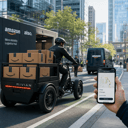
Bengaluru-based Swish just closed a $38 million funding round, marking its third capital raise in 18 months and more than doubling its valuation to over $150 million. The hyperlocal food delivery startup is attracting blue-chip investors like Accel and Bain Capital with its full-stack model that promises 15-minute deliveries across India's tech capital. The rapid-fire fundraising signals growing confidence in ultra-fast food delivery as a sustainable, high-frequency consumer habit, even as competitors struggle with unit economics.
Swish is moving fast, and investors are betting it can maintain the pace. The Bengaluru food delivery startup just wrapped a $38 million funding round led by Accel and Bain Capital, with participation from Singapore-based Hara Global. It's the company's third major capital injection in just 18 months, a fundraising velocity that reflects both the startup's growth and the increasingly heated battle for India's on-demand food market.
The round more than doubles Swish's valuation from a year ago, now pushing past $150 million according to sources familiar with the deal. That's a remarkable climb for a company operating in one of the world's most competitive delivery markets, where established players like Zomato and Swiggy have spent years and billions building dominance.
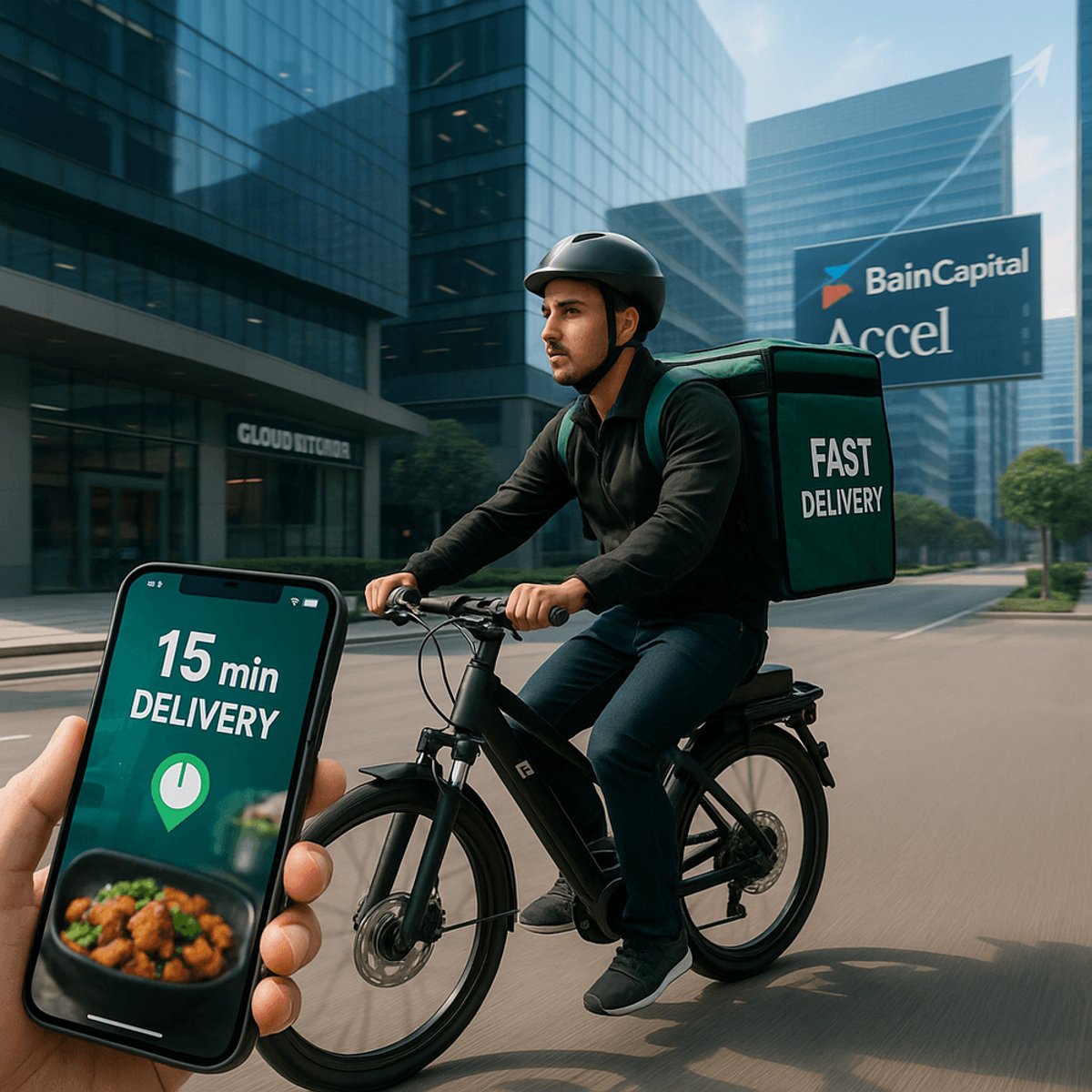
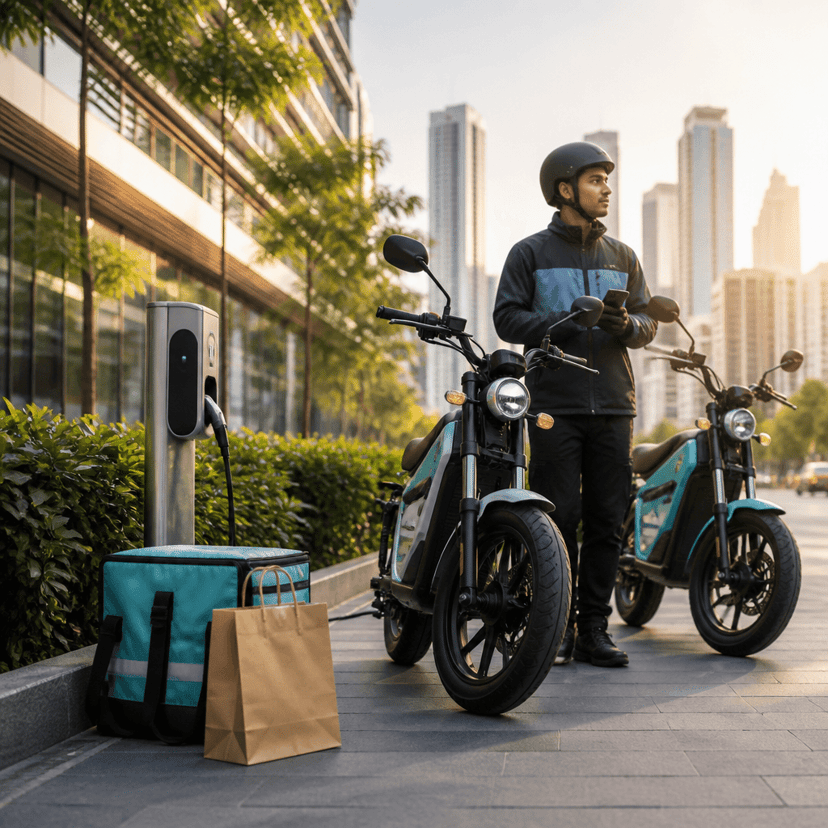
What's catching investor attention is Swish's full-stack model. Unlike traditional aggregator platforms that simply connect restaurants with delivery riders, Swish controls the entire chain from kitchen partnerships to last-mile logistics. The company operates cloud kitchens optimized for speed, stocks inventory based on hyperlocal demand patterns, and manages its own fleet of riders. The payoff? Delivery times averaging 15 minutes in its core Bengaluru zones.
"We're not just a marketplace, we're infrastructure," a company spokesperson told TechCrunch. That infrastructure play requires massive upfront capital, but it also gives Swish tighter control over margins and customer experience. In a market where delivery apps have historically burned cash competing on discounts, owning the full stack could be the path to profitability.
The timing is telling. India's quick commerce sector has exploded over the past two years, with grocery delivery startups like Blinkit and Zepto proving consumers will pay premium prices for ultra-fast fulfillment. Swish is applying the same logic to prepared food, betting that a hot meal delivered in 15 minutes becomes a daily habit rather than an occasional convenience.
But the competitive landscape is brutal. Swiggy recently launched its own 10-minute food delivery pilot, while Zomato has been quietly testing instant delivery in select markets. Both have war chests in the hundreds of millions and nationwide infrastructure. Swish's bet is that its hyperlocal focus, starting with Bengaluru's dense urban core, lets it move faster and iterate more aggressively than national players.
The funding will fuel expansion beyond Swish's current footprint. The company operates in roughly 12 Bengaluru neighborhoods now and plans to blanket the entire city before eyeing other metros. There's also investment planned for tech infrastructure, particularly the demand prediction algorithms that let Swish pre-position food near high-demand areas during peak hours.
Accel, which previously backed Indian success stories like Flipkart and Freshworks, sees Swish as part of a broader shift in consumer behavior. "The expectation of instant gratification isn't going away," an Accel partner noted in a statement. "Companies that can profitably deliver on that expectation will capture enormous value."
The three rounds in 18 months suggest Swish is growing into its valuations quickly. While the company hasn't disclosed revenue figures, sources indicate order volumes have grown 8x year-over-year, with frequency metrics showing customers ordering multiple times per week. That high-frequency usage is critical because it spreads fixed costs across more transactions and builds defensibility through habit formation.
But questions remain about unit economics. Ultra-fast delivery requires dense networks of cloud kitchens and riders, which means high fixed costs in each market. Swish will need to prove it can achieve profitability at the market level before investors will fund aggressive national expansion. The company claims its top-performing zones are already contribution-margin positive, though full profitability remains over the horizon.
The Indian food delivery market is expected to hit $15 billion by 2027, with ultra-fast delivery capturing an increasing share. Swish is racing to establish itself as the category leader in that segment before deep-pocketed incumbents fully commit resources. With $38 million in fresh capital and a proven model in Bengaluru, the startup has runway to make its case. But in a market this competitive, even 18 months of momentum doesn't guarantee long-term survival.
Swish's third funding round in 18 months sends a clear signal: investors believe ultra-fast food delivery can be more than a cash-burning experiment in India's cutthroat market. The $38 million raise and doubled valuation reflect confidence in the company's full-stack approach and hyperlocal execution. But the real test lies ahead as Swish scales beyond its Bengaluru stronghold and competes with giants like Zomato and Swiggy who are waking up to the instant delivery opportunity. For now, the startup has the capital and momentum to make its case that 15-minute food delivery can become a profitable, high-frequency habit. Whether that thesis holds as competition intensifies will determine if Swish becomes India's next unicorn or another cautionary tale about moving too fast.