India's quick-commerce wars just got a major new fuel injection. Yulu, the Bangalore-based electric bike-sharing startup, has closed a $93 million funding round led by GEF Capital Partners, riding the wave of explosive demand from delivery platforms racing to fulfill 10-minute grocery orders. The cash infusion positions Yulu to triple its fleet to 200,000 bikes over the next two years while developing faster two-wheelers tailored specifically for India's booming logistics sector, where companies like Blinkit, Zepto, and Swiggy Instamart are burning through vehicles as fast as they can source them.
Yulu just secured the kind of capital that signals a major shift in India's mobility landscape. The $93 million round, led by GEF Capital Partners, arrives at exactly the right moment - just as India's quick-commerce platforms are hitting a scaling crisis that's less about technology and more about raw logistics capacity.
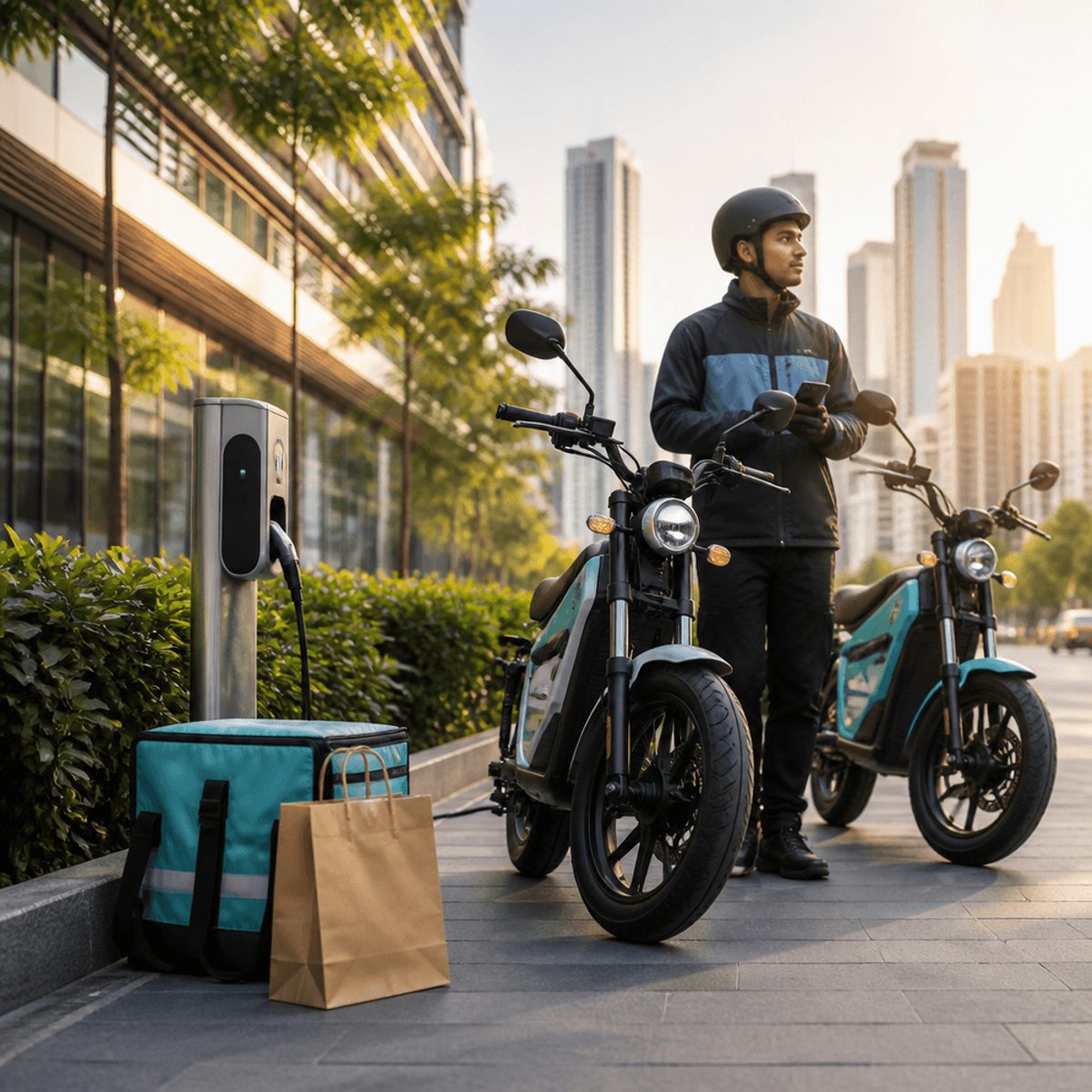
The funding comes as delivery platforms are scrambling to meet insane customer expectations. Ten-minute grocery delivery isn't a novelty anymore in Indian metros - it's table stakes. But fulfilling those promises requires an army of delivery workers and, crucially, the electric bikes to move them. That's where Yulu sees its opening.
The company's current fleet serves the shared micro-mobility market, but the real gold rush is in B2B logistics. Yulu is pivoting hard toward partnerships with quick-commerce giants who need reliable, cost-effective electric vehicles that can handle 50+ deliveries daily without breaking down or running out of charge. According to industry observers, the last-mile delivery market in India is projected to hit $5.5 billion by 2025, and Yulu wants a significant slice.
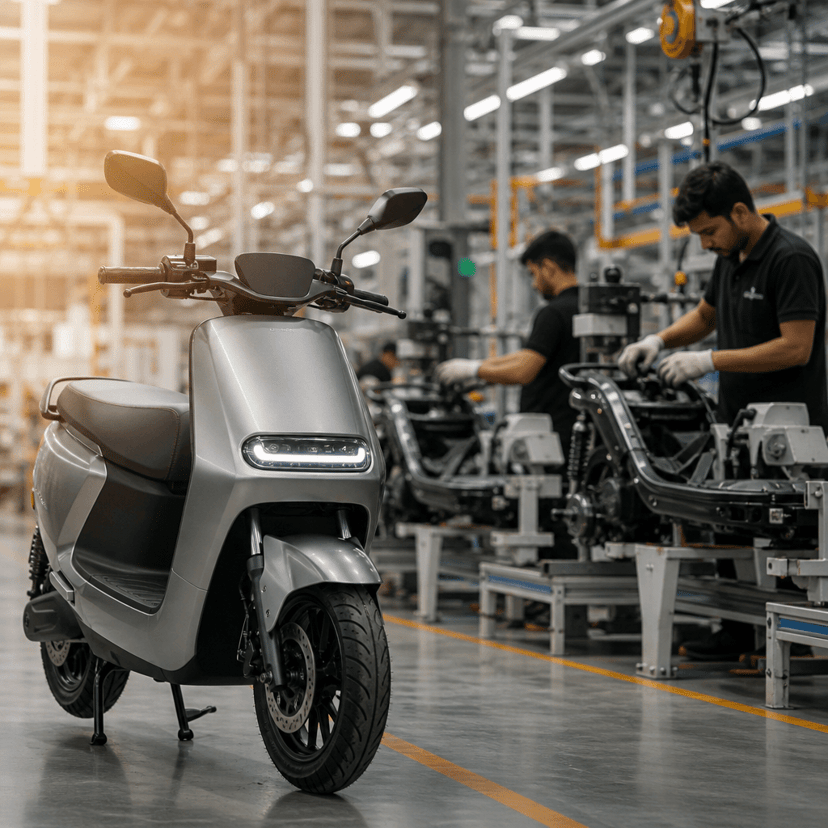
Yulu's expansion plan is aggressive but grounded in real demand signals. The company aims to deploy 200,000 bikes over the next 24 months - a massive scale-up that would make it one of India's largest electric two-wheeler operators. But it's not just about quantity. The startup is developing faster electric bikes specifically engineered for delivery logistics, addressing complaints from riders that current models are too slow for the demands of quick-commerce.
The timing couldn't be better. India's quick-commerce sector is in hyper-growth mode, with platforms like Zepto recently hitting unicorn status and Blinkit (owned by Zomato) expanding to new cities weekly. These companies are hemorrhaging cash on customer acquisition, but their real operational bottleneck is logistics infrastructure. Owning or leasing delivery fleets is capital-intensive and operationally complex - exactly the problem Yulu is positioning itself to solve.
What makes this round particularly interesting is the investor profile. GEF Capital Partners brings expertise in sustainable infrastructure and emerging markets, suggesting this isn't just a bet on Indian e-commerce growth but on the electrification of India's entire delivery ecosystem. The country's push toward electric vehicles, supported by government subsidies and falling battery costs, creates a policy tailwind that makes Yulu's expansion viable.
The competitive landscape is getting crowded fast. Traditional two-wheeler manufacturers like Hero Electric and Ather Energy are eyeing the B2B logistics market, while startups like Zypp Electric are building similar delivery-focused fleets. But Yulu's established presence in shared mobility gives it operational data and city partnerships that newer entrants lack. The company operates in Bangalore, Delhi, and Mumbai - India's three most lucrative quick-commerce markets.
There's also a sustainability angle that's becoming harder to ignore. India's urban air quality is among the worst globally, and delivery bikes powered by conventional fuel are a growing contributor. Electric fleets offer a path to reducing emissions while actually lowering operating costs for delivery platforms - a rare win-win that's attracting both impact investors and pragmatic operators.
The $93 million will fund vehicle procurement, charging infrastructure expansion, and R&D for the next-generation delivery bikes. Yulu is reportedly testing models that can travel 100+ kilometers on a single charge with significantly higher top speeds than current shared bikes, addressing the two biggest pain points delivery riders face.
What remains to be seen is whether Yulu can navigate the operational complexities of fleet management at scale. Maintenance, battery swapping infrastructure, and rider training all become exponentially harder as fleets grow. Other shared mobility startups globally have stumbled badly when scaling too fast - the cautionary tales of Lime and Bird's early expansion struggles still loom large.
But the fundamentals look solid. India's quick-commerce market shows no signs of slowing, regulatory support for EVs is strengthening, and delivery platforms are desperate for reliable logistics partners. Yulu is betting that being the infrastructure layer for India's delivery revolution is a better business than competing in the cutthroat consumer mobility space.
Yulu's $93 million raise is less about bike-sharing and more about becoming the backbone of India's quick-commerce infrastructure. As delivery platforms race to dominate urban India with impossible promises of 10-minute everything, they're running into a hard constraint: you can't code your way out of needing physical bikes and riders. Yulu is betting it can be the picks-and-shovels play in this gold rush, providing the electric fleet infrastructure that makes the entire ecosystem possible. If they execute on the 200,000-bike expansion and nail the logistics-specific vehicle development, they'll be perfectly positioned as India's delivery wars intensify. The real test will be whether they can scale operations without sacrificing the reliability that makes them attractive to delivery platforms in the first place. For now, they've got the capital and the tailwinds - execution is everything.