SwitchBot just dropped a clever twist on personal safety devices. The company's new $40 Safety Alarm doesn't just track your location and sound alarms - it can trigger fake phone calls to get you out of sketchy situations. Available today, the keychain-sized device merges smart home automation with emergency response features that could change how we think about personal security.
SwitchBot is making a bold play in the personal safety market with its new Safety Alarm, a $39.99 device that's part tracker, part smart home key, and part digital bodyguard. The company quietly launched the device today, and it's already shaking up the competitive landscape with features that feel straight out of a spy thriller.
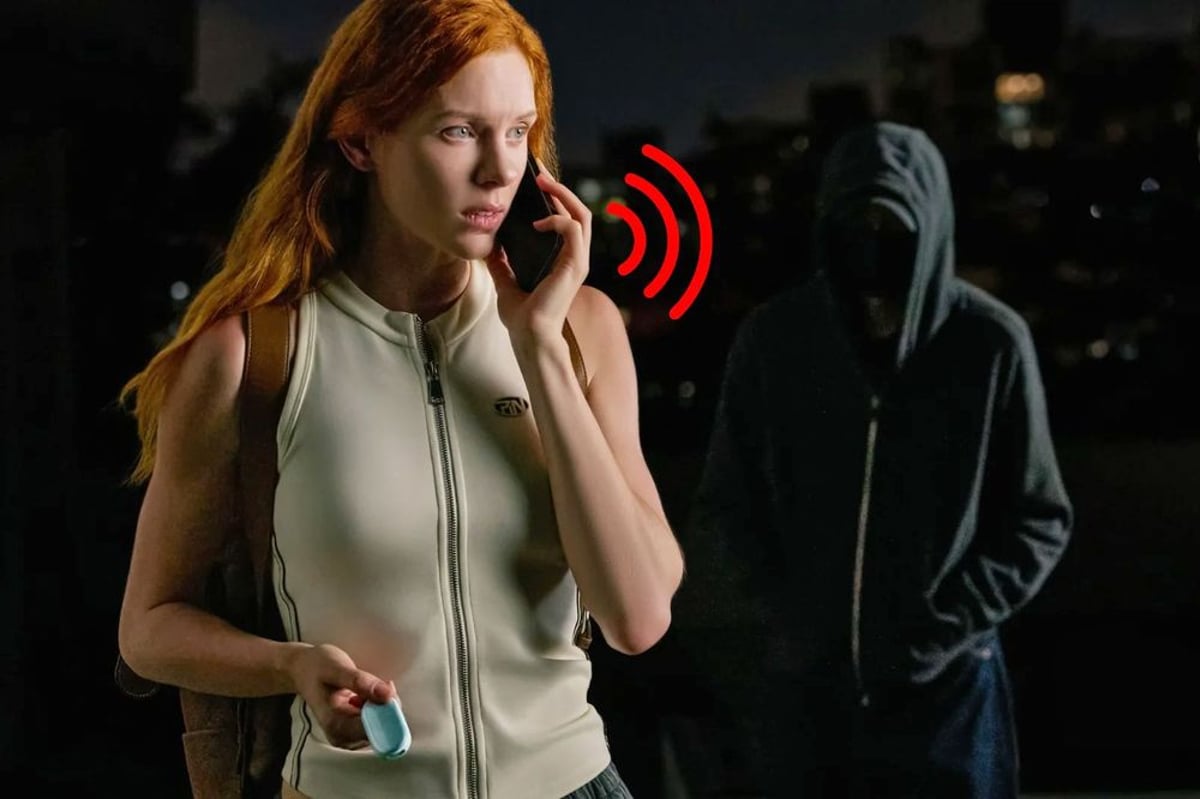
The Safety Alarm looks innocuous enough - like a keychain flashlight you'd grab at a hardware store. But double-tap a button, and it triggers what SwitchBot calls a "virtual phone call" that rings your smartphone even in silent mode. The idea is simple but brilliant: if you're walking alone at night or stuck in an uncomfortable situation, suddenly getting a phone call gives you an excuse to leave or signals to potential threats that someone might be looking for you.
"It will ring even if your smartphone is in silent mode," according to SwitchBot's product documentation. That detail matters - most fake call apps rely on your phone's existing settings, making them less reliable in emergencies.
But the fake calls are just the opening act. Yank the keychain off the main device, and the Safety Alarm transforms into a full emergency beacon. The LED switches to a strobing pattern while blasting a 130dB alarm - that's louder than a jet engine at takeoff. Simultaneously, it sends location alerts to up to five emergency contacts, though notably without live tracking capabilities.
The device slots naturally into SwitchBot's existing smart home ecosystem. Most of the time, it functions as an NFC key for the company's smart locks, sending "home arrival" notifications when you're in Bluetooth range. That integration gives it an edge over pure safety devices - it's useful enough for daily carry that you're more likely to actually have it when trouble strikes.
Competition in this space is heating up fast. Pebblebee's Clip tracker commands a $50 price point but offers cross-platform compatibility with both Apple's Find My and Google's Find My Device networks. SwitchBot's device only works with Apple's network, a limitation that could hurt adoption among Android users.
Where SwitchBot gains ground is raw audio power. The Safety Alarm delivers 130dB compared to Pebblebee's sub-100dB output - a difference of more than 30dB that translates to roughly 10 times the perceived loudness. In emergency situations, that volume differential could mean the difference between drawing help and going unnoticed.
Pebblebee counters with its Alert Alive subscription service at $2.99 monthly or $24.99 annually, adding real-time location sharing and enhanced emergency features. But SwitchBot's approach keeps things simple and subscription-free, appealing to users who want emergency capabilities without ongoing costs.
The technical specs reveal thoughtful engineering choices. IP65 water and dust resistance means the device survives daily wear and weather, though not full submersion. Battery life stretches to a year with normal use or two years if you disable Apple Find My integration - impressive for a device packing multiple radios and a high-output alarm.
What's interesting is how this reflects broader market trends. Personal safety technology is evolving from simple panic buttons to sophisticated devices that blend into existing digital ecosystems. Apple has pushed emergency features deep into iOS, while startups like Pebblebee are building subscription businesses around location services.
SwitchBot's entry signals that smart home companies see opportunity in expanding beyond traditional automation. The Safety Alarm isn't just about emergency response - it's about creating more touchpoints in users' daily routines. Every time someone unlocks their door with the device, they're reinforcing SwitchBot's presence in their connected home ecosystem.
The fake call feature alone could drive adoption. While numerous smartphone apps offer similar functionality, having it built into a physical device you're already carrying removes friction. No need to fumble with your phone or remember which app to open - just double-tap and your phone starts ringing.
Availability starts immediately in black, white, and aqua color options. SwitchBot offers modest savings for bulk purchases - $79.98 for a two-pack instead of $79.98. The pricing strategy positions it as an impulse purchase rather than a considered investment, smart positioning for a device people hope they'll never actually need to use in an emergency.
SwitchBot's Safety Alarm represents smart product strategy - taking proven smart home expertise and extending it into personal safety. The fake call feature alone justifies the $40 price for many users, while the smart home integration ensures it won't gather dust in a drawer. As personal safety technology evolves from standalone devices to ecosystem components, SwitchBot's approach could become the template for how traditional hardware companies expand into adjacent markets.