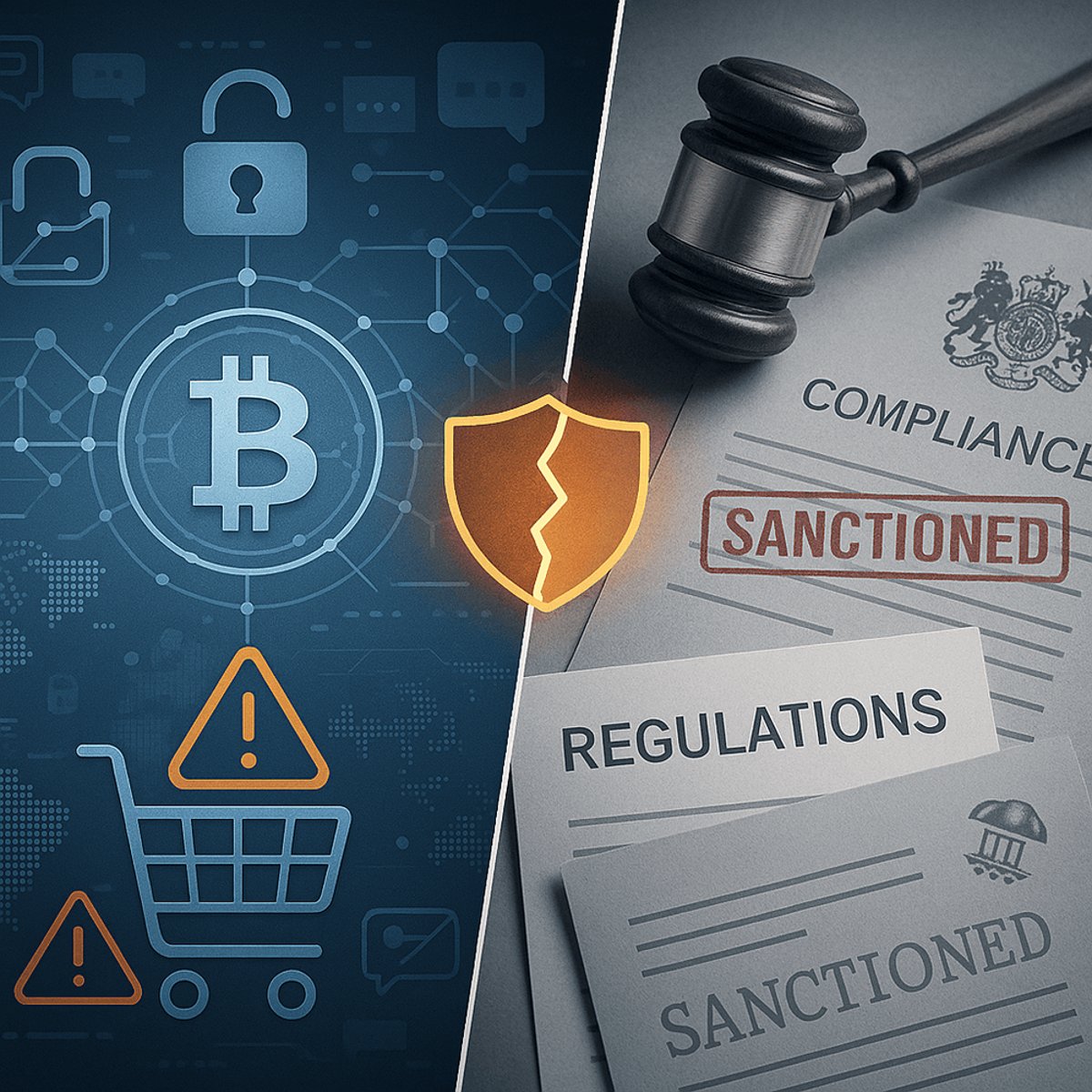
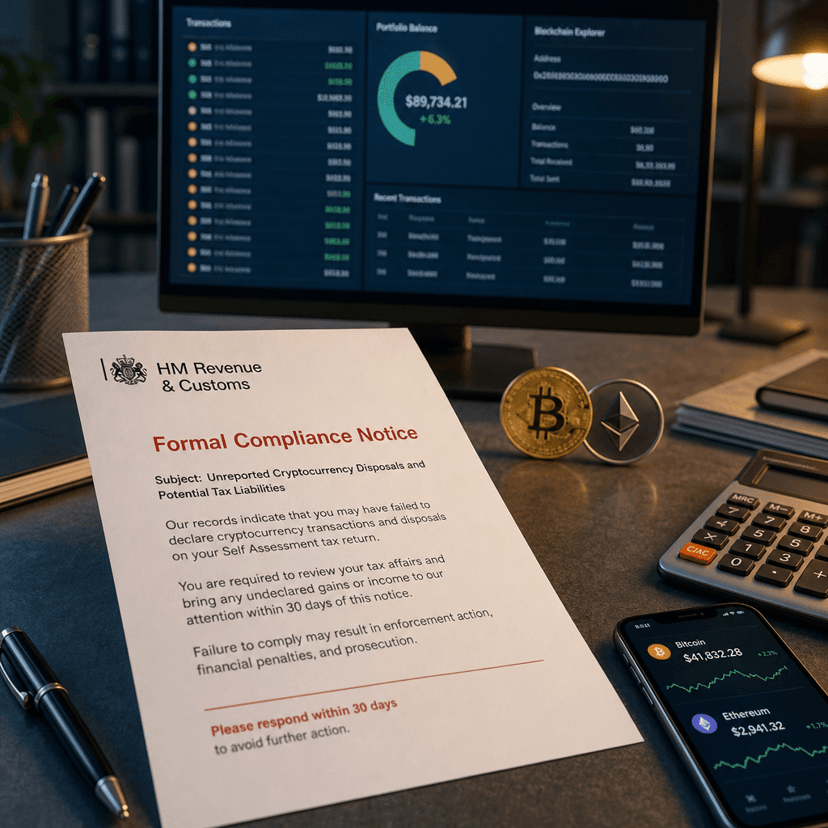
Weeks after the UK government designated Xinbi Guarantee as an enabler of crypto scams and human trafficking, the $21 billion black market continues operating openly on Telegram. The messaging platform's failure to remove the sanctioned marketplace raises urgent questions about platform accountability and enforcement of international sanctions in the crypto underworld. According to Wired's investigation, the marketplace remains easily discoverable despite its official designation.
Telegram is hosting a $21 billion problem in plain sight, and regulators are watching helplessly from the sidelines. The UK government designated Xinbi Guarantee as a sanctioned entity weeks ago, calling it out as a major enabler of crypto scams and human trafficking operations. But the black market continues operating on Telegram's platform as if nothing happened, accessible to anyone who knows where to look.
The revelation comes from investigative reporting by Wired's Andy Greenberg, who found the marketplace still operating with minimal disruption despite its official designation. The platform has allegedly processed around $21 billion in fraudulent cryptocurrency transactions, making it one of the largest crypto crime operations ever documented.
What makes this particularly alarming isn't just the scale - it's the brazenness. Xinbi Guarantee isn't hiding in the dark corners of the internet or operating through sophisticated encryption schemes. It's sitting on one of the world's most popular messaging apps, used by nearly a billion people worldwide for everything from casual chats to business communications.
The UK's sanctions designation wasn't a quiet affair. Authorities explicitly linked Xinbi Guarantee to organized crime networks running crypto scams that have defrauded victims globally, while also facilitating human trafficking operations that exploit vulnerable workers in scam compounds across Southeast Asia. These aren't victimless financial crimes - they're connected to real human suffering.
But Telegram has long positioned itself as a platform committed to user privacy and free speech, often resisting government pressure to moderate content or remove users. That stance has made it a haven for legitimate privacy-conscious users and journalists operating in repressive regimes. It's also made it attractive to criminals who exploit those same protections.
The platform's founder, Pavel Durov, has historically defended Telegram's light-touch moderation approach, arguing that heavy-handed content policing threatens fundamental freedoms. But there's a difference between protecting political dissidents and hosting a sanctioned $21 billion criminal marketplace. International sanctions aren't content moderation disputes - they're legally binding restrictions that carry serious consequences for entities that facilitate sanctioned activities.
This isn't Telegram's first brush with crypto crime allegations. The platform has faced mounting criticism for becoming a primary infrastructure layer for cryptocurrency scams, drug markets, and other illicit activities. Its channels and groups have been linked to everything from pump-and-dump schemes to sophisticated social engineering attacks targeting crypto holders.
The Xinbi Guarantee case exposes a critical vulnerability in how international sanctions work in the digital age. Traditional financial sanctions rely on banks and payment processors to freeze accounts and block transactions. But when criminal marketplaces operate on messaging apps using cryptocurrency, the enforcement mechanisms break down. There's no central bank to pressure, no payment processor to threaten with penalties.
For regulators trying to combat crypto crime, it's a nightmare scenario. They can designate entities, issue warnings, and impose penalties - but if platforms refuse to cooperate, the sanctions become almost unenforceable. The UK can't exactly block Telegram from operating in British territory without raising broader questions about internet freedom and censorship.
The timing couldn't be worse for crypto's reputation. The industry has spent years trying to shed its association with criminal activity, emphasizing institutional adoption and regulatory compliance. Major exchanges now implement strict know-your-customer procedures and work closely with law enforcement. But cases like Xinbi Guarantee remind everyone that the crypto underworld is still thriving, just on different platforms.
What happens next will set important precedents. If Telegram continues hosting sanctioned marketplaces without consequences, it signals to other platforms that they can safely ignore international sanctions. If regulators find ways to force compliance - whether through app store removals, financial pressure, or other means - it could reshape how platforms approach criminal content.
For now, the $21 billion marketplace continues operating, processing transactions and facilitating crimes while regulators and platform executives engage in what amounts to a high-stakes standoff over digital governance and accountability.
The Xinbi Guarantee case represents more than just another crypto crime story - it's a stress test for how international sanctions work in an era of encrypted messaging and decentralized finance. Telegram's refusal to remove a UK-sanctioned marketplace worth $21 billion exposes fundamental gaps in regulatory enforcement and platform accountability. As crypto crime increasingly migrates to messaging apps and other unconventional infrastructure, regulators face a choice between developing new enforcement mechanisms or watching sanctions become increasingly symbolic. For an industry desperate to prove it's matured beyond its Wild West origins, the continued operation of massive criminal marketplaces on mainstream platforms couldn't send a worse signal.