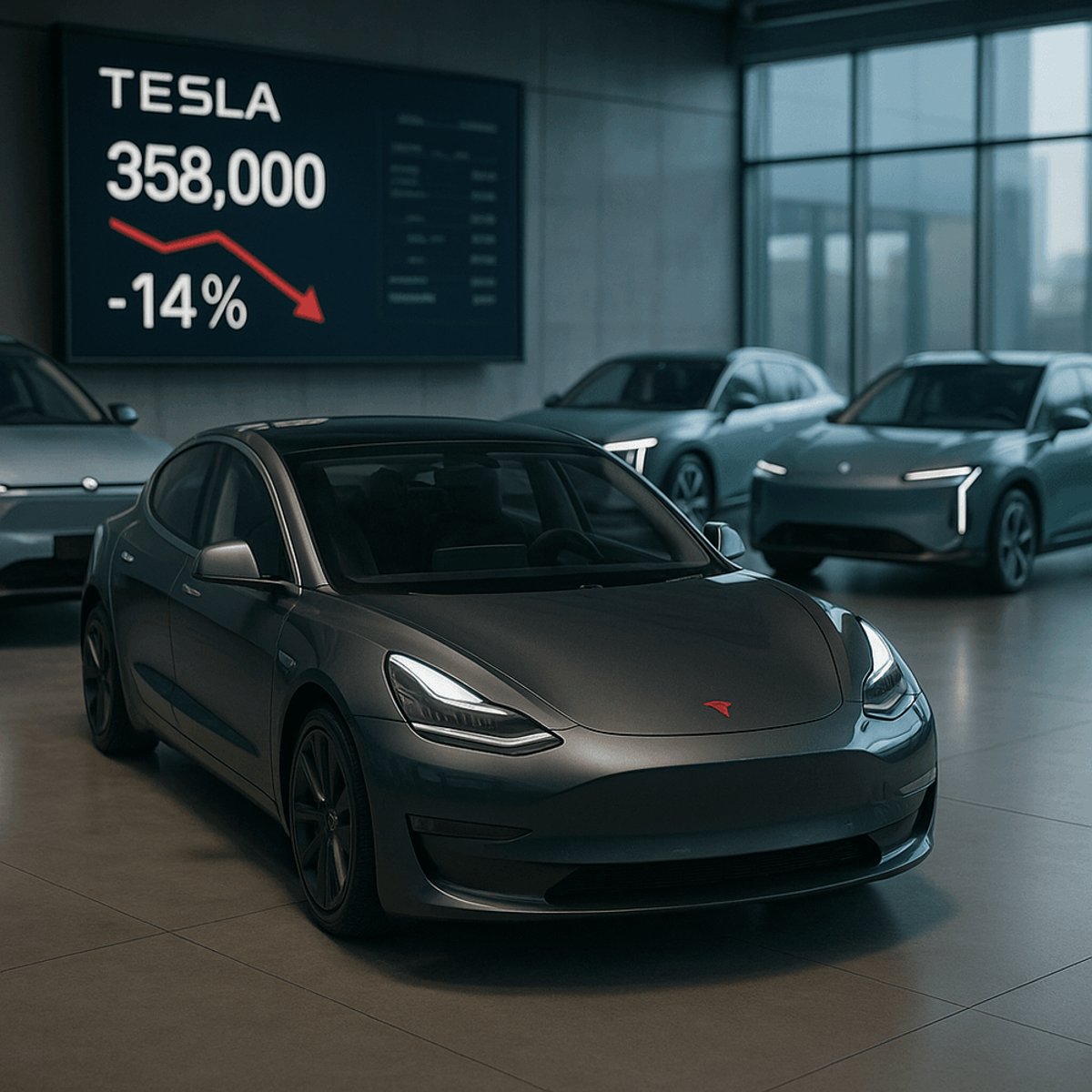
Tesla just reported 358,000 vehicle deliveries for the first quarter of 2026, down 14% from the previous quarter, according to CNBC. The numbers cap off a year of declining deliveries for the EV maker as Chinese rivals like BYD and NIO flood the market with lower-cost alternatives. Wall Street's now watching whether Tesla's pricing power can hold as the competitive squeeze tightens across its biggest growth markets.
Tesla just handed investors another quarter of declining deliveries, and the culprit is becoming impossible to ignore: China's EV makers are eating its lunch. The company's Q1 2026 delivery figure of 358,000 vehicles marks a 14% drop from the previous quarter, extending what's now a year-long slide in the metric Wall Street watches most closely.
The numbers, reported by CNBC, underscore how dramatically the EV landscape has shifted. While Tesla spent years as the undisputed premium EV leader, Chinese manufacturers like BYD, NIO, and XPeng have flooded global markets with vehicles that match many of Tesla's features at significantly lower price points. That value proposition is resonating, particularly in price-sensitive markets across Asia and Europe.
What makes this quarterly decline particularly notable is the timing. Q1 typically sees seasonal softness in auto sales, but a 14% sequential drop suggests something more structural is happening. Tesla's coming off a full year of delivery declines, a sharp reversal from the hypergrowth trajectory that defined its first decade as a public company. The EV pioneer built its valuation on the promise of relentless expansion, and these numbers raise uncomfortable questions about whether that era has ended.
The China factor looms large. Companies like BYD have leveraged massive scale, vertical integration, and government support to drive costs down in ways Tesla hasn't matched. BYD's Seagull model, priced around $10,000 in China, has become a particular threat in emerging markets where Tesla's cheapest Model 3 still commands a significant premium. Even in Europe, Chinese brands are gaining ground with competitive leasing deals and expanding dealer networks.
Tesla's response options are limited and each carries risks. The company could cut prices further, but margin compression is already a concern after multiple rounds of price cuts through 2024 and 2025. It could accelerate development of a truly low-cost vehicle, but CEO Elon Musk has repeatedly pushed back that timeline while prioritizing robotaxi development. Or it could double down on the premium segment with Cybertruck and next-generation Roadster, effectively ceding the mass market to competitors.
Analysts are split on which path makes sense. Some argue Tesla's brand strength and Supercharger network still command premium pricing in developed markets. Others contend the company waited too long to address the low-end threat and is now fighting from behind. What's clear is that the competitive moat that once seemed insurmountable has narrowed considerably.
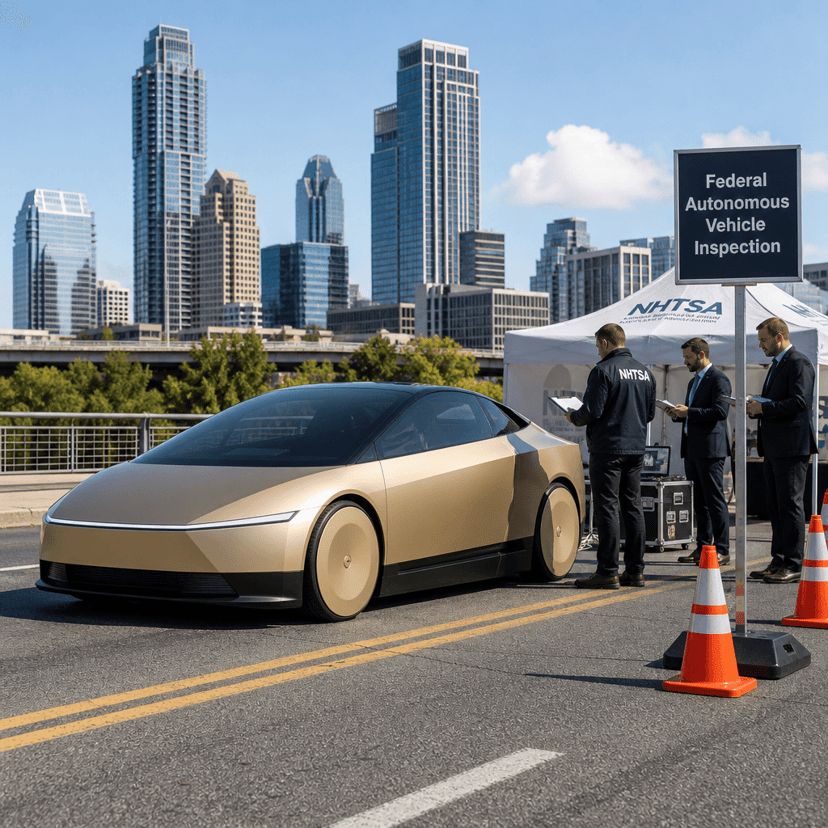
The delivery miss also comes as Tesla faces execution challenges on multiple fronts. Cybertruck production ramps have been slower than anticipated, Full Self-Driving development continues to face regulatory scrutiny, and Musk's attention remains divided across Tesla, SpaceX, X, and other ventures. Investors are increasingly questioning whether the company can maintain innovation velocity while also becoming the manufacturing powerhouse needed to compete on cost.
Looking ahead, Tesla's next earnings call will be critical. Wall Street will want specifics on the low-cost vehicle strategy, updated timelines for new models, and frank assessment of the China competitive situation. The company's historically been light on forward guidance, but with deliveries trending the wrong direction, investors are demanding more visibility into the turnaround plan.
The broader EV market is also watching closely. Tesla's struggles don't necessarily signal weakness in EV adoption overall, but rather a maturing market where first-mover advantage matters less than execution, cost structure, and product-market fit. Traditional automakers ramping EV production and Chinese manufacturers expanding globally are creating a more competitive landscape than existed even two years ago.
Tesla's 358,000 Q1 deliveries mark more than just another down quarter - they signal a fundamental shift in the EV competitive landscape. The company that defined the electric vehicle market now finds itself fighting to maintain share against lower-cost Chinese rivals with scale advantages and aggressive expansion plans. How Tesla responds in the coming quarters, whether through price cuts, new model launches, or strategic pivots, will determine whether this delivery slide is a temporary setback or the beginning of a more permanent market share erosion. For now, the pressure is squarely on leadership to articulate a credible path back to growth.