Tesla just hit a milestone no one wanted to see - its second consecutive year of declining revenue and profits. The EV pioneer reported $840 million in net income on $24.9 billion in revenue for Q4 2025, marking a staggering 61% profit plunge from the same period last year. While the broader EV market surged 20% globally, Tesla's sales tumbled 8.5%, raising hard questions about whether Elon Musk's ambitious $1 trillion pivot to AI and robotics can reverse the company's fortunes.
Tesla just closed the books on a year it would rather forget. The electric vehicle maker reported $840 million in net income on $24.9 billion in revenue for the fourth quarter of 2025, according to earnings filed with the SEC. That's a 3% revenue decline and a brutal 61% profit crash compared to Q4 2024, when the company posted $2.3 billion in net income on $25.7 billion in revenue.
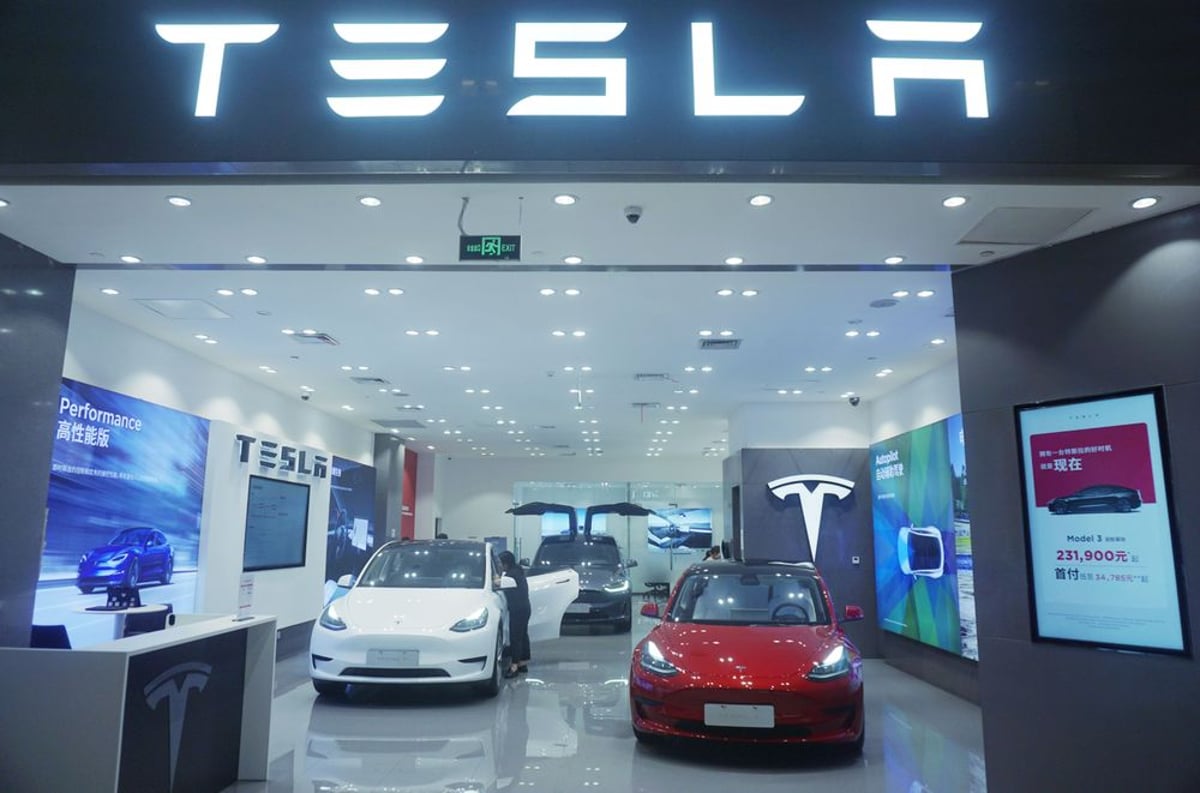
The numbers paint a stark picture of a company losing momentum while its market roars ahead. Global EV sales climbed 20% in 2025, according to Reuters research. But Tesla's sales slid 8.5% to roughly 1.6 million vehicles - enough to hand its crown as the world's top EV seller to China's BYD, which moved 2.26 million units.
Wall Street analysts had braced for bad news, predicting $24.79 billion in revenue according to LSEG estimates compiled by CNBC. Tesla slightly beat that target, but the full-year picture remains grim: $3.8 billion in net income on $94.8 billion in revenue, down 3% from 2024.
The Q4 numbers were particularly ugly. Customer deliveries plunged 15.6% in the quarter as buyers rushed to complete purchases in Q3 to catch expiring federal tax credits before they disappeared. That timing issue created a demand cliff Tesla couldn't climb back from.
But policy shifts tell only part of the story. Tesla's model lineup is aging while Ford, GM, and a wave of Chinese manufacturers flood the market with fresh competition. More damaging, CEO Elon Musk's transformation into a polarizing political lightning rod has alienated the company's traditionally progressive customer base.
Musk's political activities - from amplifying right-wing conspiracies on X to performing what appeared to be Nazi salutes at Donald Trump's inauguration to leading the controversial DOGE initiative slashing humanitarian aid - have left a measurable dent. A Yale University study estimates Musk's political persona cost Tesla more than 1 million vehicle sales.
"We're in for a few rough quarters," Musk acknowledged to investors, blaming expiring incentives and macroeconomic headwinds. His remedy? Double down on the company's pivot to AI, robotics, and autonomous vehicles.
That bet looks increasingly shaky. Musk predicted in mid-2025 that 50% of Americans would have access to Tesla robotaxis by year's end. Reality check: only a handful of vehicles operate in limited areas of Austin and San Francisco under strict conditions, serving a tiny test group. The gap between promise and delivery has rarely looked wider.
The robotaxi stumble comes as Tesla shareholders approved a compensation package that could make Musk the world's first trillionaire. The deal requires hitting audacious milestones - producing over 1 million humanoid robots, deploying 1 million robotaxis, and generating $7.5 trillion in shareholder value. Given the current trajectory, those targets feel disconnected from Tesla's operational reality.
Market conditions aren't helping. The Trump administration's reversal on EV subsidies and relaxed emissions standards have removed key demand drivers. Combined with cooling growth in China - the world's largest EV market - analysts expect global EV sales growth to slow considerably in 2026.
Tesla finds itself in an uncomfortable position: a former category killer now struggling to defend market share while its CEO pursues moonshot projects that remain years from commercial viability. The company's core automotive business is contracting just as it needs cash flow to fund its AI ambitions.
Competitors aren't waiting. BYD is expanding aggressively into Europe and Southeast Asia with competitively priced models. Legacy automakers are rolling out second and third-generation EVs with better range, features, and value propositions. Tesla's first-mover advantage has evaporated.
The earnings call will reveal whether Musk and his team have a credible plan to stabilize the core business while pursuing their AI transformation, or if they're simply betting everything on technologies that may take years to mature - if they succeed at all.
Tesla's second consecutive year of decline marks a turning point for a company that once seemed unstoppable. While Musk points to AI and robotics as the company's salvation, the gap between his predictions and reality keeps widening. The core automotive business is hemorrhaging profits and market share just when Tesla needs it most to fund its ambitious transformation. With competitors gaining ground, political controversies driving away customers, and robotaxi promises still mostly vaporware, Tesla faces its toughest test yet - proving it can execute on the future while fixing the present. Investors and customers alike are running out of patience waiting for Musk's moonshots to materialize.