Tesla just crossed into new territory. The company's newly formed Tesla Energy Ventures division received approval from UK regulator Ofgem to sell electricity directly to British customers, marking the EV maker's first move into Europe's retail energy market. The approval sets up a direct clash with Octopus Energy, the UK's second-largest energy supplier that's been dominating the smart tariff space Tesla now wants to crack.
Tesla is no longer just selling cars and batteries in the UK - it's now licensed to power homes. The company's Tesla Energy Ventures division secured approval from Ofgem, Britain's energy regulator, to supply electricity directly to customers. It's a calculated expansion that transforms Tesla from hardware provider into full-service energy company, and it puts the automaker on a collision course with Octopus Energy, the London-based utility that's been eating traditional suppliers' lunch.
The timing isn't coincidental. Britain's energy market has become a proving ground for the kind of integrated smart home ecosystem Tesla's been building toward. With over 1 million electric vehicles on UK roads and Octopus Energy controlling roughly 25% of the retail market through tech-forward tariffs, there's a clear playbook for how this works. Octopus pioneered time-of-use rates that reward EV owners for charging during off-peak hours, and they've signed up millions of customers by making energy bills feel less like utility drudgery and more like a smart home feature.
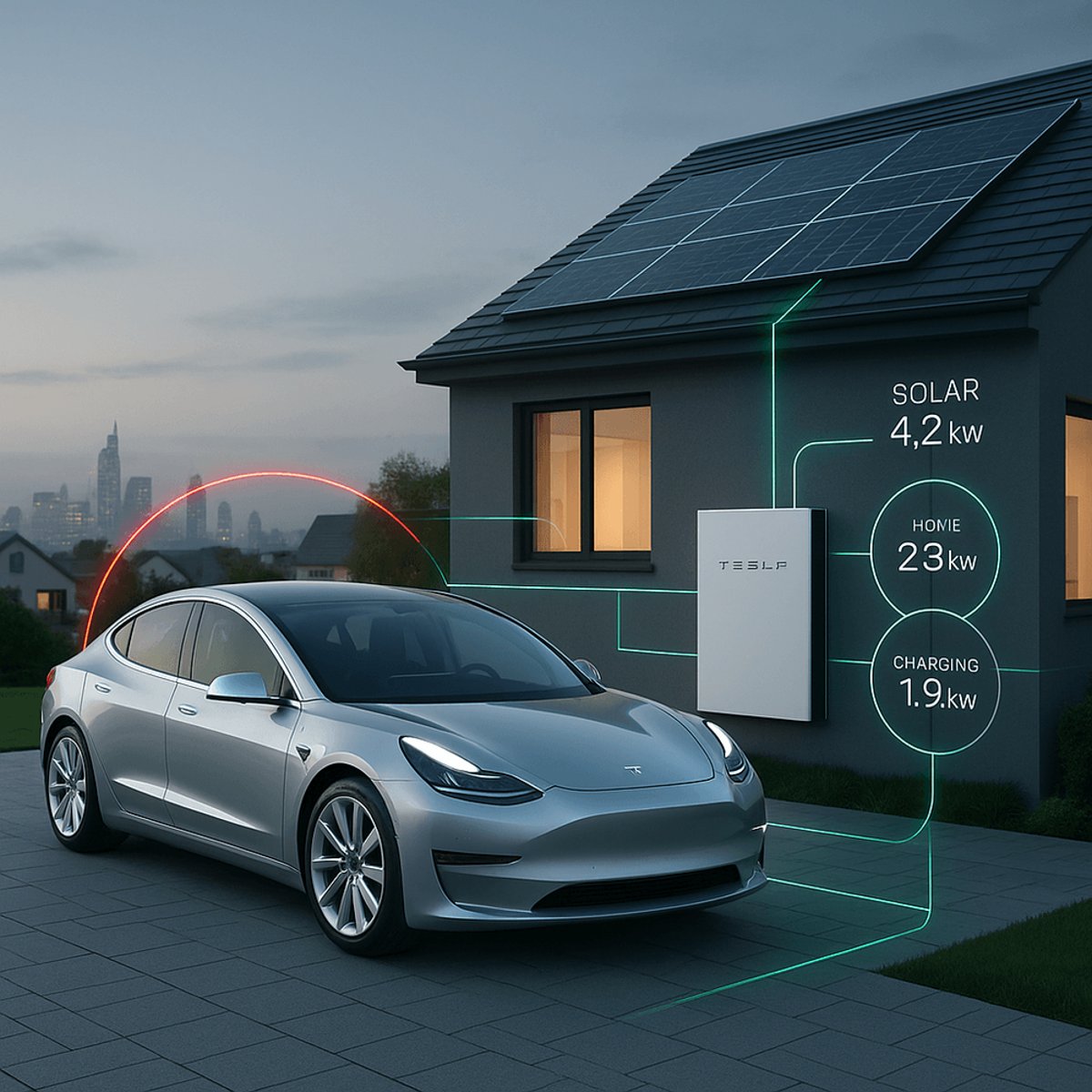
That's exactly the space Tesla wants to own. The company already sells Powerwall home batteries and solar systems in the UK, and it's been testing vehicle-to-grid technology that lets EV owners sell stored power back to the grid during peak demand. But until now, Tesla customers had to work through third-party suppliers to access those revenue streams. With its own energy license, Tesla can close the loop - sell you the car, sell you the battery, sell you the solar panels, and now sell you the electricity plan that ties it all together.
The UK market is particularly ripe for this approach. British electricity prices have been volatile since the 2022 energy crisis, and households are hungry for ways to reduce bills. Octopus Energy capitalized on that anxiety by offering tariffs that pay customers to use electricity when wind generation is high and demand is low. Their Intelligent Octopus tariff automatically charges EVs during the cheapest five-hour window each night, saving customers an estimated £500 annually compared to standard rates. Tesla's pitch will likely follow similar lines, but with tighter hardware integration.
Tesla Energy Ventures doesn't have customers yet - the Ofgem approval is just a license to operate, not a guarantee of success. The company will need to navigate Britain's complex energy market rules, establish relationships with wholesale electricity markets, and build out customer service infrastructure. For context, Octopus Energy spent years and hundreds of millions building its Kraken platform, the proprietary software that manages everything from billing to smart meter data. Tesla's historically been better at hardware than customer service, which could prove a vulnerability.
But Tesla has advantages Octopus doesn't. Every Tesla vehicle is already a connected device feeding data back to the mothership. The company knows exactly when its cars are charging, how much battery capacity they have, and where they're located. That real-time data could let Tesla offer hyper-personalized tariffs that optimize around individual driving patterns - something traditional utilities can't match. If Tesla bundles energy plans with vehicle purchases, it could bypass the customer acquisition costs that make energy retail such a low-margin slog.
The competitive dynamics get more interesting when you consider Octopus Energy's own ambitions. The company licenses its Kraken platform to utilities worldwide and has been pushing hard into vehicle-to-grid partnerships. They've already integrated with multiple EV brands, including some of Tesla's rivals. Now they're facing a competitor that controls both the vehicle and the energy supply, which could squeeze Octopus out of its integrator role. Industry observers have been waiting for one of the big automakers to make this move - it just turns out Tesla got there first in the UK.
The US provides a template for where this might go. Tesla operates a limited electricity plan in Texas through its Tesla Electric subsidiary, launched in 2023. That program offers Powerwall owners a virtual power plant model where Tesla aggregates home batteries and sells grid services back to the wholesale market, sharing revenue with customers. Early reviews have been mixed - the savings are real, but customer support has been spotty. Britain's more regulated market might force Tesla to up its game on the service side.
What's not yet clear is pricing. Tesla hasn't announced rates, tariff structures, or even a launch date for customer signups. The Ofgem approval is dated March 12, but becoming an active supplier requires additional operational steps including posting financial guarantees and passing market entry tests. Competitors will be watching Tesla's wholesale purchasing strategy closely - the company's lack of legacy generation assets means it'll be buying power on the open market like any other retailer, without the cost advantages of vertically integrated utilities.
For British households, this could mean more choices and potentially better deals, especially for Tesla owners. For the energy industry, it's another sign that the lines between transportation, technology, and utilities are dissolving. Octopus Energy built a tech company that happens to sell electricity. Tesla's building an energy company that happens to make cars. The question is which model wins when they go head-to-head.
Tesla's entry into UK energy retail is less about disrupting utilities and more about completing its ecosystem play. If you own a Tesla vehicle, Powerwall, and solar system, Tesla wants to be your energy supplier too - not because electricity retail is particularly profitable, but because controlling the entire chain lets the company optimize around its hardware. Octopus Energy proved there's demand for smart, integrated energy plans. Tesla's betting its hardware advantage can beat Octopus's software edge. British consumers might end up as the real winners if the competition drives both companies to innovate faster on pricing and features. But Tesla's track record on customer service means there's genuine risk here - energy customers expect their lights to work and their bills to make sense, no matter how cool the technology behind it is.