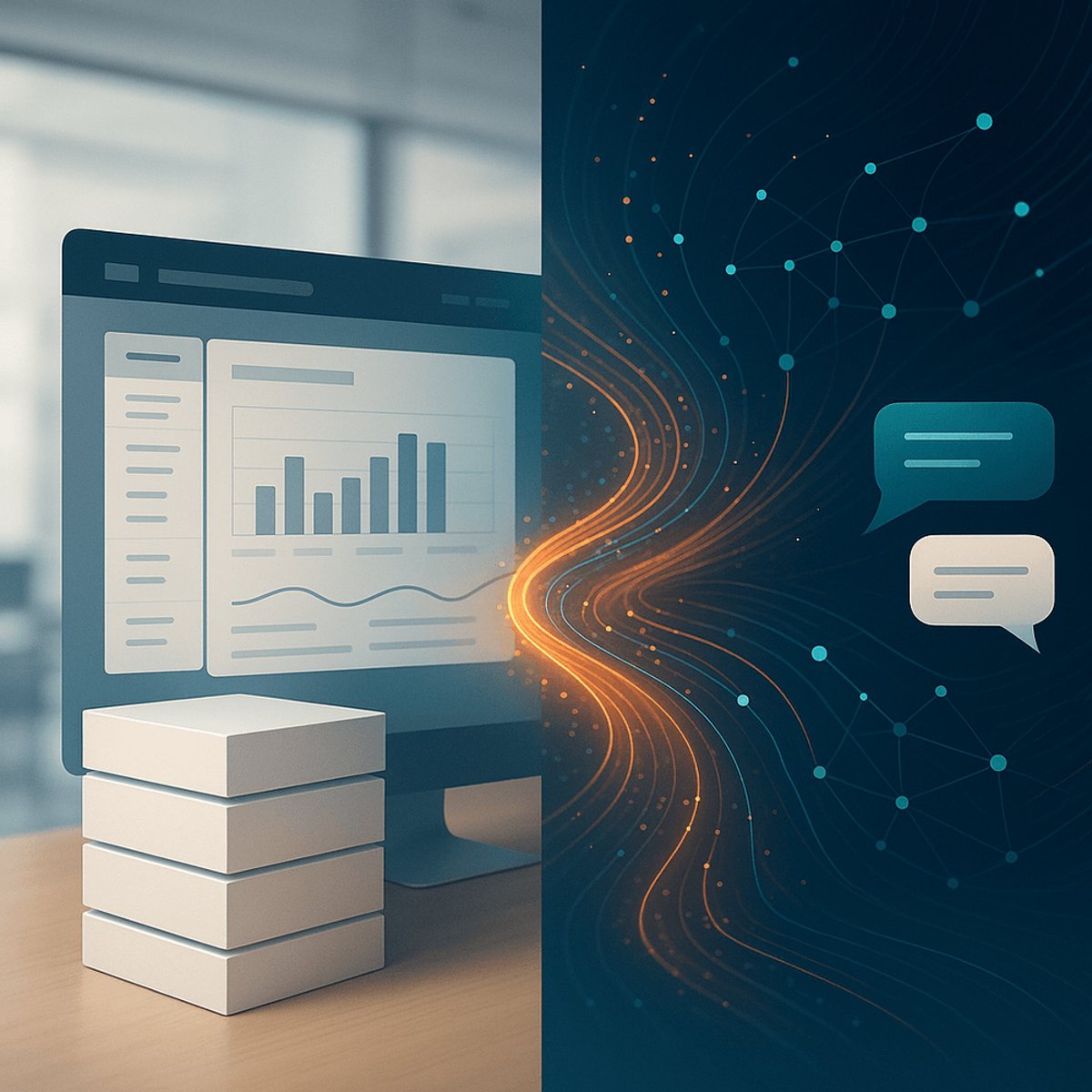
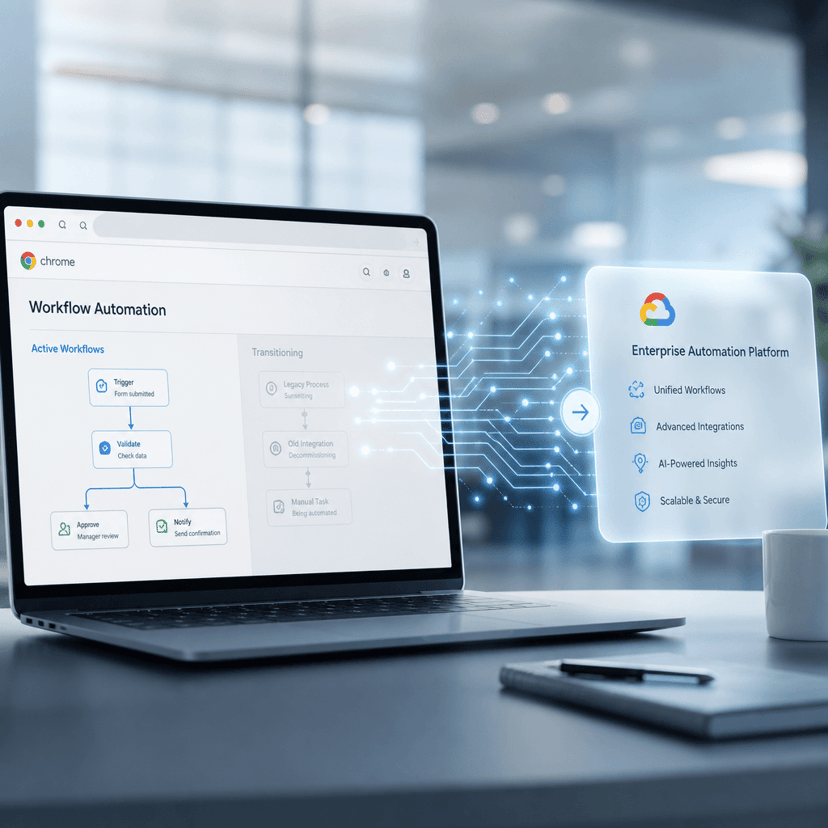
The enterprise software industry is facing its biggest existential threat since the cloud revolution. Venture capitalists are calling it the 'SaaSpocalypse' - a rapid unraveling of traditional SaaS business models as AI agents and automation tools make expensive subscription software obsolete. What took a decade to build is being dismantled in months, and the casualties are piling up across balance sheets from Silicon Valley to Wall Street.
The numbers tell a brutal story. Enterprise software spending, which powered the tech boom for the past fifteen years, is contracting for the first time since 2009. But this isn't a recession story - it's a replacement story.
Traditional SaaS companies built empires by solving specific workflow problems. Customer relationship management, marketing automation, expense tracking, project management - each vertical spawned billion-dollar unicorns charging $50 to $500 per seat per month. That model just hit a wall.
OpenAI didn't set out to destroy the enterprise software industry, but that's exactly what's happening. When GPT-4 and its successors can write code, analyze data, draft contracts, and manage workflows through simple conversational interfaces, why pay for rigid, menu-driven software that requires weeks of training?
The disruption is playing out fastest in knowledge work tools. Marketing automation platforms that charged $3,000 monthly are being replaced by AI agents that cost $200 and deliver better personalization. Sales intelligence tools built on manual data entry are obsolete when AI can scrape, analyze, and predict in real-time. Human resources platforms that took months to implement are being bypassed by conversational AI that onboards employees in hours.
Microsoft saw this coming. The company's aggressive integration of AI into Office 365 and Azure wasn't just feature development - it was defensive moat-building. By embedding Copilot across every product, Microsoft is making standalone point solutions irrelevant. Why buy separate writing software when Word has an AI that drafts, edits, and formats? Why pay for project management tools when Teams can orchestrate workflows automatically?
Google is playing the same game with Workspace, bundling AI capabilities that used to require separate vendors. The tech giants aren't just competing with startups anymore - they're eliminating entire software categories.
Venture capitalists are recalibrating fast. Sequoia Capital recently told portfolio companies that traditional SaaS metrics no longer apply. Customer acquisition costs are spiking as buyers pause purchases to evaluate AI alternatives. Churn rates are accelerating as existing customers downgrade or cancel. Expansion revenue, the lifeblood of SaaS valuations, is evaporating.
One prominent VC partner, speaking anonymously, put it bluntly: 'If your pitch is selling software that helps people do their jobs, you're already dead. The new pitch is selling AI that does the job for them.'
The funding data backs this up. Traditional B2B SaaS funding dropped 60% year-over-year in Q4 2025, while AI-native enterprise companies raised record amounts. Investors aren't abandoning enterprise software - they're abandoning the old model.
Some SaaS companies are pivoting successfully. Salesforce spent $1.2 billion acquiring AI startups in the past six months, racing to transform from a database company into an AI platform. Others are getting crushed. Mid-market SaaS companies without the resources to rebuild around AI are watching valuations crater.
The irony is thick. SaaS companies built their businesses by making enterprise software accessible through subscriptions instead of massive upfront licenses. Now they're being disrupted by an even more accessible model: conversational AI that requires zero training and delivers instant value.
The shift is forcing uncomfortable questions. If an AI agent can perform the work of five software subscriptions, what happens to the 40,000-person sales organizations that sold those subscriptions? If implementation no longer requires months of consulting, what happens to the services revenue that made SaaS margins work?
Some analysts argue this is creative destruction at its finest - inefficient software disappears, costs drop, productivity soars. Others worry about the concentration of power as Microsoft, Google, and OpenAI control the AI infrastructure that replaces thousands of independent software vendors.
What's clear is that the SaaS playbook is being rewritten in real-time. The companies surviving this transition aren't the ones with the best software - they're the ones that recognized software itself was becoming a commodity.
Meta is taking a different approach, betting that AI will create entirely new software categories rather than just destroy old ones. The company's recent AI Studio launch suggests a future where businesses build custom AI agents instead of buying off-the-shelf software. That vision could save the software industry by transforming it into an AI customization industry.
But that's a big if. Right now, the SaaSpocalypse is less about transformation and more about elimination. Enterprise buyers are cutting software budgets by 30-40% and replacing dozens of tools with a handful of AI platforms. The $200 billion SaaS industry isn't disappearing overnight, but it's shrinking fast enough to panic boardrooms and spook investors.
The next twelve months will determine which companies adapt and which become case studies in disruption. For an industry built on the promise of continuous innovation, the irony of being disrupted by the very technology they championed is almost poetic. Almost.
The SaaSpocalypse isn't just another tech cycle - it's a fundamental reset of how businesses buy and use software. Traditional SaaS companies face a brutal choice: transform into AI platforms or become obsolete. Enterprise buyers are already voting with their wallets, slashing software budgets and embracing AI alternatives that deliver more value at lower costs. The winners will be companies that recognize software is no longer the product - intelligence is. The losers will be everyone who thought their subscription moat was defensible. In this new era, the best software might be no software at all, just AI agents that understand what you need and deliver it instantly. That's not evolution - it's replacement.