TikTok just made a major play to keep users inside its ecosystem. The social video giant announced it's letting Apple Music subscribers stream full songs directly within the app, eliminating the need to jump between platforms when a track catches your ear. The move transforms TikTok from a discovery engine into a complete listening experience, and it's a direct shot at Spotify's dominance in the music streaming wars.
TikTok has been the kingmaker of music hits for years - launching unknown artists to stardom overnight and reviving decades-old tracks - but until now, it's always handed users off to other platforms when they wanted to hear more than a 30-second clip. That changes today.
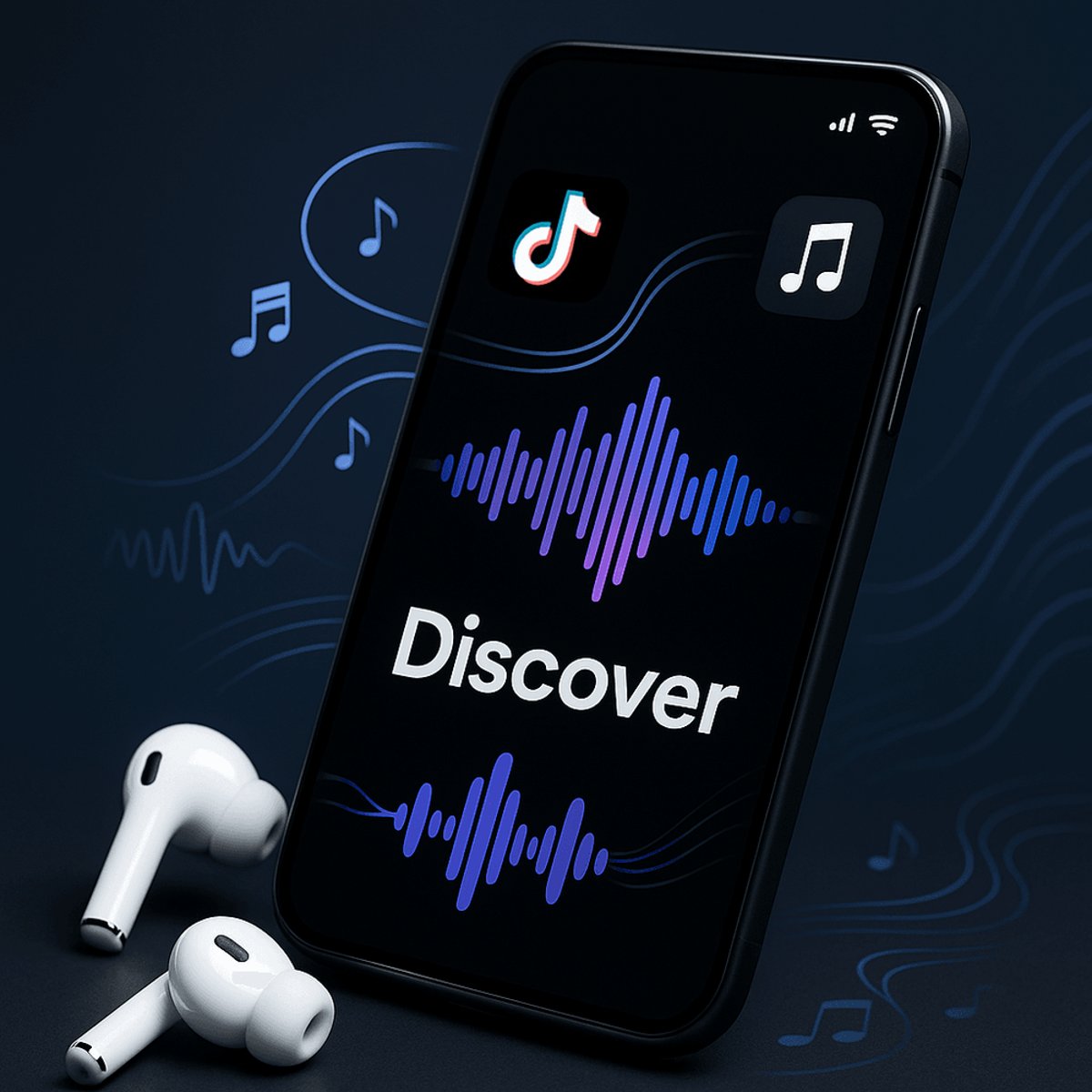
The company announced it's rolling out full song playback for Apple Music subscribers, turning what's been a viral discovery platform into a complete listening destination. When you hear a track you like in a TikTok video, you can now tap through and stream the entire song without ever leaving the app. It's a seemingly small feature that fundamentally shifts TikTok's position in the music industry food chain.
"This is designed to make it easier to go from the moment of discovery to deeper listening," TikTok said in a statement to TechCrunch. That's corporate-speak for keeping you glued to TikTok instead of bouncing to Spotify or Apple Music's standalone app.
The integration is significant for both companies. Apple gets its music service embedded in one of the world's most addictive apps, with TikTok's 1.5 billion monthly active users representing a massive potential subscriber base. For TikTok, it's about session length and stickiness - the longer you stay in the app, the more ads the company can serve and the more valuable its platform becomes to advertisers.
But this move has bigger implications than just user convenience. TikTok has been in tense negotiations with major record labels over licensing fees. Universal Music Group pulled its entire catalog from the platform in early 2024 before eventually reaching a new deal. By positioning itself as a full-fledged music platform rather than just a promotional tool, TikTok strengthens its hand in these negotiations. It's no longer just driving traffic to other services - it's becoming the destination itself.
The timing is interesting too. Spotify has been aggressively pushing into video content, launching its own TikTok-style feed of music discovery clips. Now TikTok is returning the favor by encroaching on Spotify's core business. It's the classic tech playbook - expand into your competitor's territory while defending your own.
For now, the feature is limited to Apple Music subscribers, but don't be surprised if similar integrations with Spotify, Amazon Music, and YouTube Music follow. TikTok likely started with Apple because of the overlap in their user demographics - younger, more affluent users who are already paying for premium services.
The integration works seamlessly. When you're watching a TikTok video with a song you like, you'll see a new option to play the full track if you're an Apple Music subscriber. Your credentials link once, and from then on it's a single tap to go from a 15-second clip to the full album experience. TikTok maintains the in-app experience with playback controls overlaid on the video interface.
What's less clear is how the economics work. Does Apple pay TikTok for each song streamed through the integration? Does TikTok take a cut of new subscriber conversions? Neither company is disclosing the financial arrangements, but you can bet the deal involved significant negotiation about data sharing and revenue splits.
For independent artists who've built careers on TikTok virality, this changes the game. Previously, a viral TikTok moment translated to streams on other platforms. Now those streams can happen without users ever leaving TikTok's ecosystem, which could affect how streaming royalties are calculated and distributed. The music industry is still figuring out how to properly compensate artists in the TikTok era, and this integration adds another layer of complexity.
The feature also raises questions about TikTok's long-term ambitions. Is this just about keeping users engaged longer, or is it the first step toward TikTok launching its own full-fledged music streaming service? The company already has the discovery engine, the social hooks, and now the playback infrastructure. Adding a subscription tier wouldn't be a huge leap.
For Apple, this partnership is recognition that music discovery increasingly happens on social platforms, not in curated playlists. Apple Music has struggled to compete with Spotify's superior recommendation algorithms and social features. Piggybacking on TikTok's discovery magic gives Apple a shortcut to relevance with younger listeners.
This integration is about more than convenience - it's a power move in the ongoing battle for music streaming dominance. TikTok is betting that becoming a complete music platform will keep users engaged longer and strengthen its position in licensing negotiations. For Apple, it's access to the most powerful music discovery engine ever created. Watch for other streaming services to demand similar treatment, and for record labels to wake up to the fact that TikTok isn't just a promotional tool anymore - it's becoming a full-fledged competitor to traditional streaming platforms. The question now is whether TikTok stops here or uses this as a launching pad for its own subscription music service.