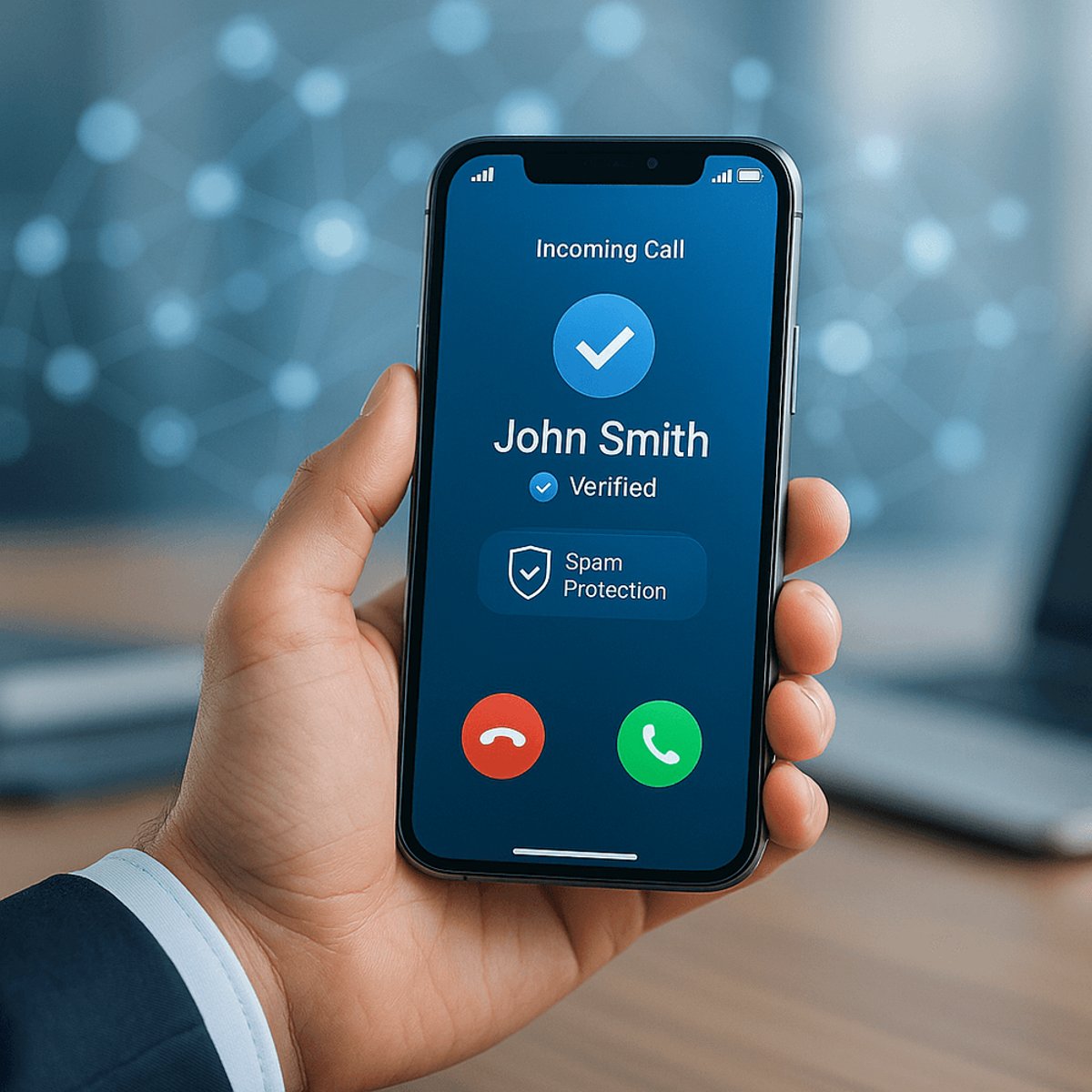
Truecaller just crossed a major threshold that underscores how desperate smartphone users have become to avoid spam calls. The Swedish caller ID app now serves 500 million monthly active users worldwide, while converting 4 million of them into paying subscribers - a monetization rate that's quietly making the company a consumer app success story in an era when most struggle to charge users anything at all.
Truecaller is now fielding half a billion monthly users who've decided they're done answering calls from unknown numbers. The Stockholm-based company announced it's hit 500 million monthly active users while successfully converting 4 million of them into paid subscribers - a quiet validation that people will actually pay to avoid the daily barrage of spam calls, scam attempts, and robodialers.
The numbers tell a bigger story about how fundamentally broken phone networks have become. While traditional telecom carriers have largely failed to solve the spam call epidemic, Truecaller built a crowdsourced defense system that's now essential infrastructure for millions. Every time someone marks a number as spam, the entire network gets smarter. It's the kind of network effect that's made the app nearly impossible to replicate, even as tech giants like Apple and Google have added basic caller ID features to iOS and Android.
That 4 million paid subscriber figure is particularly telling. In a world where most consumer apps struggle to convince users to pay for anything, Truecaller's achieving a roughly 0.8% conversion rate from free to paid. For context, that's in the same ballpark as Spotify's early conversion metrics. Users paying for Truecaller Premium get features like ad-free browsing, contact requests, and the ability to see who viewed their profile - turning what started as a spam blocker into something closer to a professional networking tool.
India remains the company's crown jewel market, though Truecaller doesn't break out regional user numbers publicly. The country's combination of high smartphone penetration, rampant spam call problems, and a massive population created the perfect conditions for Truecaller to become genuinely essential. Walk into any Delhi café and you'll see the blue checkmarks of Truecaller verification on business cards and storefronts - it's become social proof of legitimacy.
But the growth story extends well beyond India now. Markets across Southeast Asia, Africa, and Latin America are seeing similar patterns as mobile-first populations grapple with the same spam problems that plagued India years ago. Fraudsters follow the users, and users follow the solutions. Truecaller is betting that its head start in building the world's largest spam number database gives it a sustainable moat.
The company's been on a steady climb since going public on the Nasdaq Stockholm exchange back in 2021. The IPO valued Truecaller at around $1.6 billion, and while the stock has had its ups and downs, the underlying user metrics keep trending in the right direction. Revenue growth has been driven by both advertising to free users and the expanding premium subscriber base.
There's an interesting tension at the heart of Truecaller's business model, though. The app works by sharing caller information from its user base - when you install it, you're essentially contributing your contacts to help identify unknown numbers for others. Privacy advocates have raised concerns about this data sharing approach, and both Apple and Google have put guardrails around how deeply third-party apps can integrate with phone systems. That's forced Truecaller to constantly adapt its technical approach while reassuring users about data handling.
The competitive landscape is heating up too. Google has been steadily improving its built-in spam protection on Android devices, while regional players have emerged in key markets trying to replicate Truecaller's playbook. The question is whether network effects and brand recognition are strong enough to fend off both Big Tech and local upstarts.
What's clear is that Truecaller tapped into a genuine pain point that's only getting worse. As AI-powered voice cloning makes phone scams more sophisticated and robocall technology gets cheaper, the arms race between spammers and spam blockers intensifies. Every milestone Truecaller hits is really a milestone in how broken voice communication has become - and how willing people are to hand over their data to fix it.
The 500 million user mark also positions Truecaller in rarefied air among consumer apps. That's Instagram-level scale, achieved by solving a problem most people didn't even know they had a decade ago. The company's challenge now is converting that massive user base into sustainable revenue without degrading the core experience that brought users in the first place.
Truecaller's half-billion user milestone is both a triumph and an indictment - proof that a Swedish startup could solve what global telecom carriers wouldn't, but also evidence of just how bad the spam call problem has become. As the company looks to grow its paid subscriber base and fend off competition from tech giants with far deeper pockets, it's betting that being first to build a comprehensive spam database creates a moat that's tough to cross. For now, the numbers suggest that bet is paying off, even as questions about privacy and data sharing linger in the background.