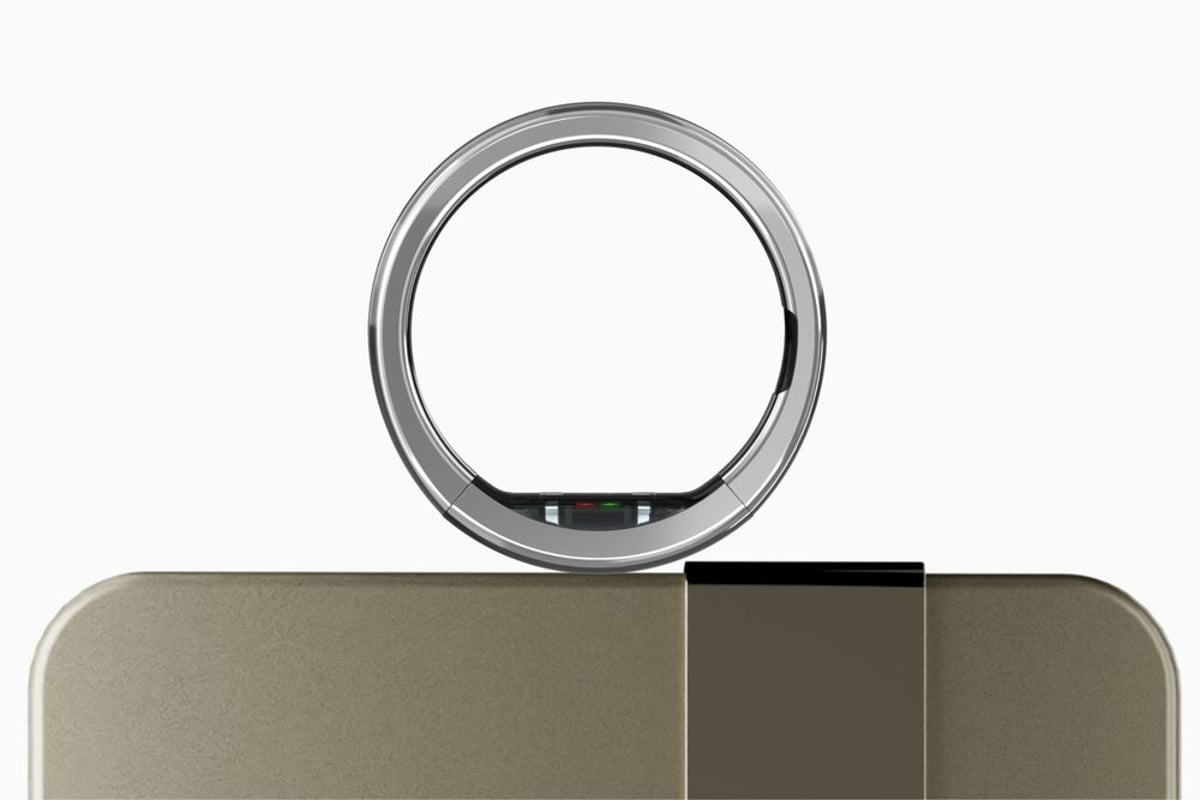
Ultrahuman just fired a shot across the bow of the smart ring market. The health tech startup launched its Ring Pro today, boasting a 15-day battery life that triples what its predecessor offered and directly challenges market leader Oura. Paired with a new 'biointelligence AI' platform and 250 days of on-device storage, the third-generation wearable signals how aggressively the smart ring category is evolving as consumers ditch bulky smartwatches for sleeker health trackers.
Ultrahuman is making a serious play for smart ring dominance. The company's Ring Pro, launching today, packs enough battery to last over two weeks on a single charge - a massive leap from the 4-6 days users reported getting from the 2023 Ring Air, according to community feedback on Reddit.
The timing couldn't be more deliberate. Smart rings are having a moment, with Samsung entering the fray last year and Oura maintaining its position as the category leader. Ultrahuman's bet is that battery anxiety remains the biggest pain point for wearable users, and 15 days between charges essentially eliminates that concern.
But the Ring Pro isn't just about longevity. Ultrahuman rebuilt the heart-rate sensor from the ground up, promising better signal accuracy - a critical improvement given that heart rate variability and resting heart rate form the foundation of most health insights these devices generate. The company also crammed 250 days of health history directly onto the device, meaning you can go months without syncing to your phone and still access your complete data trail.
The real differentiator might be Ultrahuman's new 'biointelligence AI' platform. While details remain sparse in the initial announcement, the company is clearly betting that AI-powered health insights will separate premium devices from basic step counters. It's a strategy we're seeing across the wearables industry - Apple leans heavily on its Health app's trend analysis, while Oura built its reputation on sleep coaching algorithms.
Ultrahuman's approach to charging also deserves attention. The Pro Charging Case isn't just a protective shell - it packs enough juice to push total battery life to 45 days between wall outlets. That's a smart move for travelers and anyone who's ever watched their health data streak die because they forgot a charger on a business trip.
The competitive landscape here is getting crowded fast. Oura still commands the premium end of the market with its subscription model and years of algorithm refinement. Samsung brought mainstream credibility and Galaxy ecosystem integration. Now Ultrahuman is positioning itself as the battery king with AI chops, creating a three-way race for your finger.
What's interesting is how quickly smart rings went from niche curiosity to legitimate smartwatch alternative. The form factor solves real problems - they're lighter, less obtrusive during sleep, and don't require daily charging like most smartwatches. But they also sacrifice the interactive displays and app ecosystems that make devices like the Apple Watch so sticky.
Ultrahuman hasn't revealed pricing yet, but the Ring Air launched at $349, putting it slightly below Oura's $299-$549 range depending on finish. The bigger question is whether consumers will pay premium prices for health tracking when their smartphones already do much of the heavy lifting. The answer likely depends on how compelling those AI-powered insights become.
The company's also competing on another front - business model. While Oura charges a monthly subscription fee for full feature access, Ultrahuman has positioned itself as subscription-free, meaning the upfront cost is all you pay. That's appealing to consumers tired of everything becoming a recurring charge, but it also means Ultrahuman needs to keep selling hardware to grow revenue.
For the broader wearables market, Ultrahuman's launch reinforces that specialized devices are thriving even as general-purpose smartwatches dominate sales figures. People want health tracking that disappears into their lives, and a ring you forget you're wearing checks that box better than a screen strapped to your wrist.
Ultrahuman's Ring Pro represents where the wearables market is heading - specialized, long-lasting, and AI-augmented. Whether 15-day battery life and biointelligence features can crack Oura's grip on the premium smart ring segment remains to be seen, but the company's subscription-free model and focus on eliminating charging anxiety addresses real user pain points. As the smart ring category matures, expect the competition to intensify around who can deliver the most actionable health insights with the least friction. The real winner here might just be consumers who suddenly have multiple viable options for passive health tracking that doesn't require daily charging rituals.