India's wearable health startup Ultrahuman is making a serious play for the U.S. smart ring market with its Ring Pro, entering a battleground where Finland's Oura has built a commanding lead. The move comes as the U.S. drives 60% of global smart ring demand, making it the most critical market for any player hoping to challenge Oura's dominance. With venture-backed startups racing to claim a piece of the wearable health pie, Ultrahuman's timing signals confidence that there's room for competition in a category that's exploded since the pandemic.
Ultrahuman isn't backing down from a fight. The Bangalore-based health tech startup just launched its Ring Pro in the United States, planting a flag in the territory where Oura has reigned largely unchallenged. It's a bold move into a market that accounts for 60% of global smart ring demand, and it signals that Ultrahuman thinks it has what it takes to break Oura's grip.
The timing matters. Smart rings have evolved from niche curiosity to legitimate health tracking category over the past few years, with consumers increasingly drawn to the form factor's promise of continuous health monitoring without the bulk of a smartwatch. Oura capitalized early, building a cult following among biohackers, athletes, and Silicon Valley executives who swear by its sleep and recovery insights.
But Ultrahuman sees an opening. While Oura has cemented its position with a subscription model that charges users $5.99 monthly for access to premium features, competitors are testing whether consumers will embrace one-time purchase models instead. Ultrahuman's Ring Pro offers full functionality without recurring fees, a pitch that could resonate with buyers fatigued by subscription creep across every corner of their digital lives.
The U.S. market's outsized importance can't be overstated. With 60% of global demand concentrated in American buyers, winning or losing here effectively determines a smart ring maker's trajectory. Oura understood this early, focusing its marketing and partnerships on U.S. wellness influencers, professional sports teams, and corporate wellness programs. The strategy paid off, with the company reportedly shipping over 2.5 million rings to date, though exact market share figures remain closely guarded.
Ultrahuman's entry comes after the company raised venture funding and expanded its product line beyond the ring to include continuous glucose monitors and other metabolic health tools. The integrated ecosystem approach differentiates it from pure-play ring makers, potentially appealing to users who want comprehensive health tracking across multiple devices that sync into a single platform.
The competitive landscape is heating up beyond just these two players. Samsung has reportedly been experimenting with smart ring prototypes, while Chinese manufacturers are flooding lower price tiers with basic alternatives. Apple's rumored interest in the category looms over everyone, though the Cupertino giant has yet to make a move.
What makes the smart ring category so attractive to investors and startups is the combination of continuous data collection and consumer willingness to pay premium prices for health insights. Unlike fitness trackers that users might wear sporadically, a ring stays on through sleep, showers, and workouts, generating richer datasets for algorithm training and personalized recommendations.
For Ultrahuman, cracking the U.S. market means more than just sales volume. It's about proving the company can compete on Oura's home turf, attracting the kind of early adopters and influencers who drive word-of-mouth in the wearables space. Success here could fuel expansion into Europe and other Western markets where smart ring adoption is climbing.
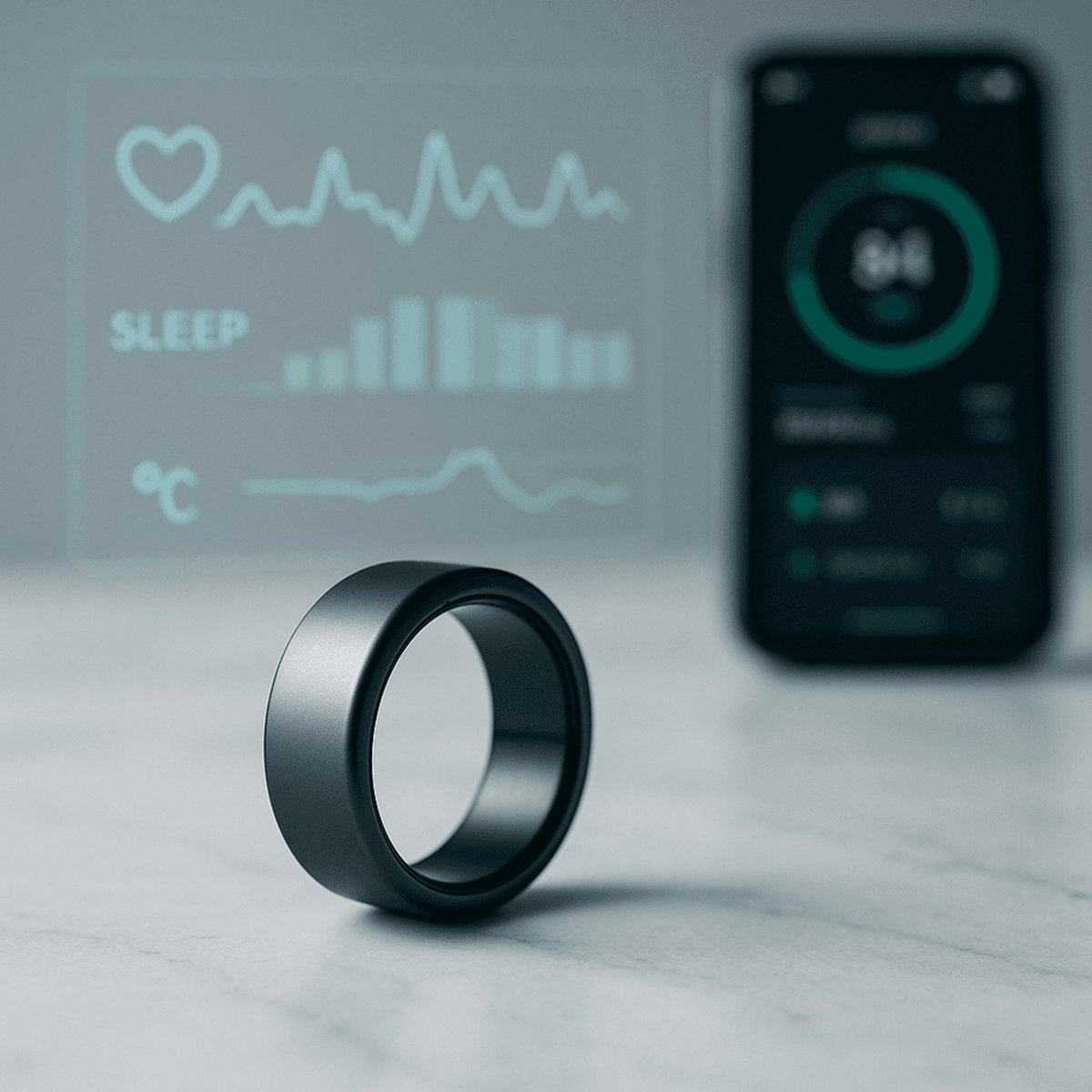
The challenge will be differentiation. Both companies track similar metrics including sleep stages, heart rate variability, body temperature, and activity levels. Both use similar sensor technology and face similar battery life constraints. The fight will likely come down to algorithm accuracy, app experience, and brand positioning rather than hardware specs alone.
Oura's advantage remains its head start and the network effects of its user community. Millions of existing users create social proof and generate the kind of long-term health data that makes algorithms smarter over time. Ultrahuman counters with its metabolic health focus and subscription-free model, but converting Oura loyalists will be an uphill battle.
The broader smart ring market is still tiny compared to smartwatches, but growth rates tell a different story. Industry analysts project the category could reach several billion dollars in annual sales within the next few years as awareness spreads and technology improves. Both Ultrahuman and Oura are betting they can ride that wave, even as they battle each other for share.
Ultrahuman's U.S. launch with the Ring Pro marks a pivotal moment in the smart ring wars. While Oura's first-mover advantage and 60% share of global demand give it serious defensive moats, the market is expanding fast enough that multiple players could thrive. The real question isn't whether Ultrahuman can dethrone Oura overnight, but whether its subscription-free model and metabolic health angle can carve out a meaningful slice of the fastest-growing wearable category. For consumers, the competition means better products and more choices. For investors watching the health tech space, it's a signal that smart rings have graduated from novelty to serious business.