Fifteen months after the United States banned future DJI products, the consumer drone market remains in freefall - and it's not because American companies can't compete. US dronemakers are simply ignoring photographers, farmers, and hobbyists entirely, pivoting instead to a billion-dollar Pentagon program for military drones. The shift leaves drone professionals scrambling for alternatives while domestic manufacturers chase lucrative defense contracts over the messy consumer market DJI once dominated.
The DJI ban was supposed to spark an American drone renaissance. Instead, it's created a vacuum that no one wants to fill.
When the US government triggered an automatic ban on future DJI products in late 2024, the conventional wisdom seemed obvious: American dronemakers would rush in to capture the enormous market share left behind by the world's leading drone manufacturer. Photographers who relied on DJI's Mavic series would switch to domestic alternatives. Farmers using DJI's agricultural drones would buy American. The market was right there for the taking.
That's not what happened. In the 15 months since the ban took effect, US drone companies have largely ignored the consumer opportunity. According to The Verge's reporting, domestic manufacturers are chasing something far more lucrative: Pentagon contracts worth over a billion dollars for military-grade drones.
The Defense Department's drone initiative represents a fundamental shift in how American companies view the drone business. Consumer drones require constant innovation, competitive pricing, and razor-thin margins. Military contracts offer guaranteed revenue, less price sensitivity, and multi-year commitments. For companies like Skydio, the choice appears straightforward.
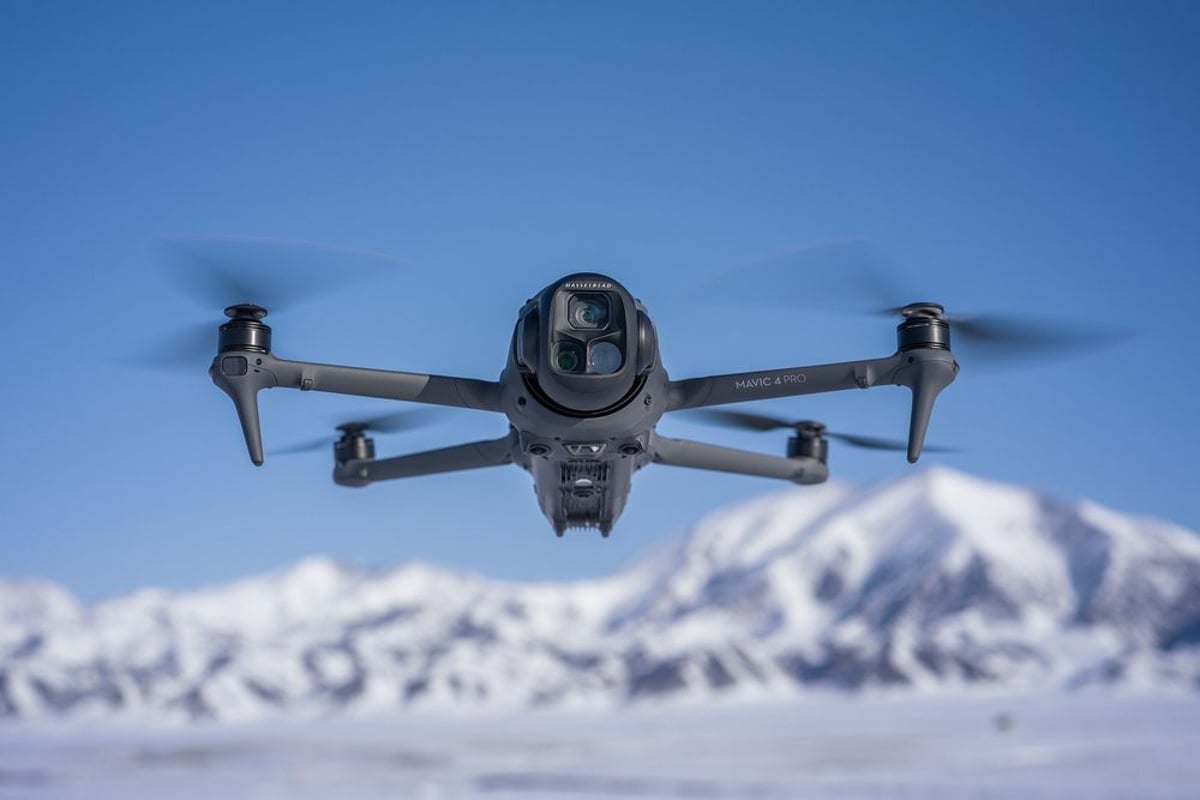
Drone professionals are feeling the squeeze. Vic Moss, a drone operator quoted in the original report, represents thousands of commercial users now facing an uncertain equipment future. The DJI Mavic 4 Pro - launched globally but unavailable in the US - showcases exactly what American consumers are missing: cutting-edge camera technology, improved flight times, and competitive pricing that domestic alternatives haven't matched.
The regulatory backdrop makes this market dynamic even more complex. The DJI ban originated from national security concerns about Chinese-manufactured drones potentially collecting sensitive data or being compromised by Beijing. Those concerns, debated extensively in Congress and detailed in the National Defense Authorization Act, created the opening for American manufacturers.
But filling that opening means competing in a brutally competitive consumer market against established brands and entrenched user bases. It means investing heavily in R&D to match DJI's feature set while keeping prices reasonable. And it means accepting lower profit margins than Pentagon contracts deliver.
The Pentagon's billion-dollar drone program focuses specifically on military applications - surveillance, reconnaissance, and lethal capabilities. These aren't hobbyist quadcopters or wedding videography tools. They're purpose-built for combat and intelligence gathering, representing a completely different product category than what DJI dominated.
For American drone startups and established players alike, the calculation is simple economics. Defense contracts offer stable, high-margin revenue with less competition and clearer specifications. Consumer drones require battling for market share against lingering DJI inventory, international competitors, and price-conscious buyers who resent losing access to their preferred brand.
The absence of serious consumer alternatives 15 months into the ban reveals how challenging the consumer drone market actually is. Despite DJI's exit, companies like AntiGravity and HoverAir mentioned in The Verge's reporting haven't scaled up to truly replace what's been lost. Skydio, perhaps the strongest positioned American manufacturer, has focused its efforts on commercial and government sales rather than mainstream consumer products.
This creates a peculiar situation where the ban accomplished its national security objectives - reducing Chinese drone prevalence in sensitive applications - while simultaneously leaving ordinary users without viable options. Wedding photographers, real estate agents, agricultural surveyors, and hobbyists find themselves either stockpiling old DJI equipment, paying premium prices for limited domestic options, or simply going without.
The market signals are clear: American drone companies see their future in defense tech, not consumer hardware. That strategic choice will reshape the entire US drone landscape for years to come, creating a bifurcated market where military applications thrive while consumer options stagnate.
The DJI ban's unintended consequence isn't American innovation in consumer drones - it's the wholesale abandonment of that market by domestic manufacturers chasing Pentagon dollars. While defense contracts reshape US drone capabilities for military applications, ordinary users face a shrinking market with fewer options and higher prices. The next few years will determine whether any American company decides consumer drones are worth the investment, or if that market gets ceded entirely to the remaining international players who can still operate in the US.