Valve sparked confusion Friday when a blog post seemed to walk back its commitment to shipping three major hardware products in 2026. But the gaming company quickly clarified to The Verge that the Steam Machine, Steam Frame, and Steam Controller are still on track to ship this year, despite navigating the industry-wide memory shortage that's been squeezing hardware makers across the board. The mixed messaging highlights the pressure component shortages are putting on product roadmaps industry-wide.
Valve found itself doing damage control Friday after a blog post raised questions about whether its ambitious hardware lineup would actually arrive in 2026. The company wrote it "hopes to ship in 2026" - language that sounded like a significant downgrade from its previous commitments. But in a statement to The Verge, Valve clarified it didn't mean to suggest a delay, and that all three products remain on schedule.
The confusion comes as hardware manufacturers across the industry grapple with a persistent memory shortage that's driven up costs and complicated production planning. According to The Verge's earlier reporting on what's been dubbed "RAMageddon," the shortage has affected everything from smartphones to laptops, forcing companies to adjust specifications and timelines.
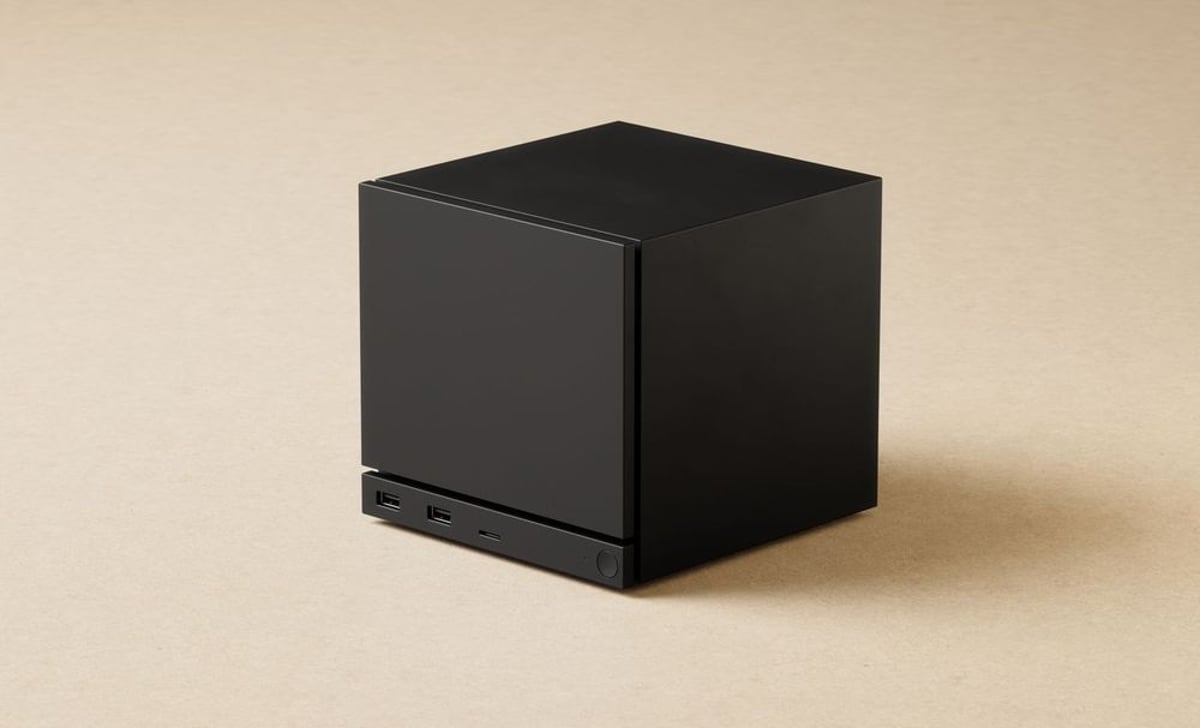
Valve's three-product push represents its most ambitious hardware effort since the Steam Deck handheld gaming PC. The Steam Machine aims to bring PC gaming into the living room, while the Steam Frame and new Steam Controller round out an ecosystem play that could challenge traditional console makers. But executing a coordinated launch of three separate devices while managing component constraints is proving tricky.
As recently as last month, Valve explicitly stated it had not changed plans to ship all three products "in the first half of the year." That makes Friday's more tentative language particularly jarring - and explains why the gaming community quickly flagged the apparent shift in tone. The company's quick clarification suggests the blog post language was an overcorrection rather than a signal of actual delays.
The memory shortage backdrop adds context to Valve's communication stumble. Hardware companies are walking a tightrope between maintaining customer excitement and managing expectations around component availability. Being too optimistic risks missing deadlines, while being too cautious can dampen pre-launch buzz.
Valve's situation mirrors broader industry challenges. Memory prices have fluctuated significantly over the past year, and manufacturers have had to decide whether to absorb cost increases, pass them to consumers, or adjust product specifications. For a company planning a coordinated three-product launch, those variables multiply.
The Steam Machine in particular faces high expectations. Valve's previous living room gaming effort, the original Steam Machines initiative from 2015, failed to gain traction. This new attempt represents a second chance to crack the console market with PC gaming flexibility. Missing the launch window or shipping with compromised specs could undermine that opportunity.
What makes Valve's situation notable is how a single blog post nearly derailed months of messaging. In an environment where component shortages have made hardware roadmaps unpredictable, companies are finding that even small wording changes get scrutinized. The quick clarification suggests Valve recognized the risk of letting uncertainty linger.
For now, Valve maintains its 2026 first-half timeline. But the incident reveals the communications tightrope hardware makers are walking as they navigate supply chain uncertainty. With several months still remaining in that window, the company has time to deliver - but also time for more challenges to emerge. The memory shortage shows no signs of resolving quickly, meaning Valve and other hardware makers will need to stay nimble on both production and messaging fronts.
Valve's Friday messaging mishap offers a window into the pressures hardware companies face as they manage product launches during component shortages. While the company quickly steadied the ship with its clarification, the incident shows how fragile confidence can be when supply chains remain unpredictable. For gamers waiting on the Steam Machine, Steam Frame, and Steam Controller, the takeaway is clear: the products are still coming in 2026, but don't be surprised if Valve keeps its language carefully hedged until boxes actually start shipping.