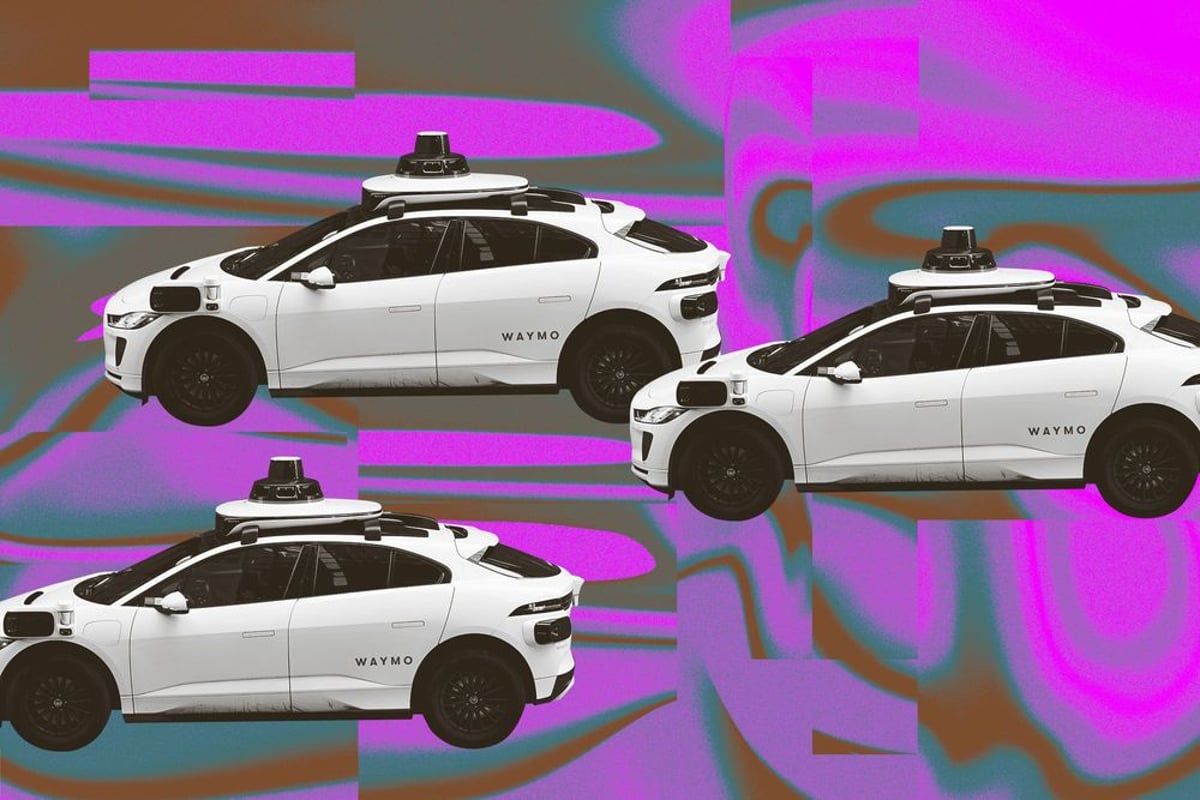
Waymo is bringing its autonomous vehicles to Nashville in 2026, marking a significant expansion of Google's robotaxi ambitions. The company just announced a strategic partnership with Lyft that will see the ride-hailing giant handle fleet operations while customers access Waymo's self-driving cars through both apps - a move that could reshape how autonomous transportation scales nationwide.
Waymo just dropped a bombshell that's got the autonomous vehicle industry buzzing - Music City is getting robotaxis, and they're bringing back an old friend to make it happen. The Alphabet-owned company announced it's launching commercial robotaxi service in Nashville come 2026, but here's the twist: Lyft is back in the picture as their operational partner.
The partnership details reveal just how serious both companies are about this venture. Customers will initially hail rides through Waymo's own app, then eventually access the service directly through Lyft's platform. But Lyft isn't just providing app integration - they're handling the entire behind-the-scenes operation through their Flexdrive system, covering everything from vehicle maintenance to EV charging infrastructure.
This reunion comes with some interesting backstory. Waymo and Lyft actually worked together briefly in Phoenix back in 2019, allowing Lyft customers to book rides in Waymo's autonomous vehicles. That partnership fizzled, and Waymo subsequently pivoted to working with Uber in cities like Austin and Atlanta.
But today's announcement signals that Lyft never really left Waymo's consideration for future collaborations. The ride-hailing company is doubling down by committing to build a dedicated fleet management facility in Nashville specifically for Waymo's robotaxis, complete with EV charging stations and maintenance operations.
The timing couldn't be more critical for both companies. Waymo has been methodically expanding its footprint after years of limited operations in Phoenix and San Francisco. The company arrived in Nashville earlier this year as part of its annual "road trip" program, where human drivers manually operate the vehicles to collect data on local driving patterns and weather conditions.
That data collection phase is crucial for Waymo's approach. Unlike some competitors who rush to market, Waymo takes a deliberate approach - manual data collection first, then autonomous testing, and finally commercial launch. According to the company's timeline, Nashville will shift into autonomous testing mode later this year before the 2026 commercial debut.
For Lyft, this partnership represents a strategic bet on autonomous vehicles as the future of ride-hailing. While Uber sold off its self-driving unit and has been partnering with various AV companies, Lyft is positioning itself as the go-to platform for autonomous vehicle operations and fleet management.
The competitive implications are significant. Tesla is promising its own robotaxi network, Amazon's Zoox is testing in Las Vegas, and Chinese companies like Baidu are rapidly scaling their services. But Waymo's methodical city-by-city expansion, combined with established ride-hailing partnerships, could give it a sustainable competitive advantage.
Nashville won't be alone in this expansion wave. Waymo has committed to launching commercial operations in Washington DC, Miami, Denver, Seattle, Dallas, and New York City. Each market presents unique challenges - from DC's complex government district to Miami's tourist-heavy traffic patterns to NYC's legendary driving conditions.
The business model details matter here. By partnering with Lyft for operations while maintaining its own app, Waymo gets the best of both worlds: direct customer relationships and proven fleet management expertise. Lyft's Flexdrive system has been handling complex fleet operations for years, making it an ideal partner for the logistical challenges of maintaining autonomous vehicle fleets.
The Waymo-Lyft partnership in Nashville represents more than just another market expansion - it's a template for how autonomous vehicle companies might scale nationwide. By combining Waymo's proven self-driving technology with Lyft's operational expertise, both companies are betting they can solve the complex logistics of autonomous transportation while building sustainable competitive moats. With seven cities planned for commercial launch, 2026 could be the year robotaxis finally move from novelty to necessity in American transportation.