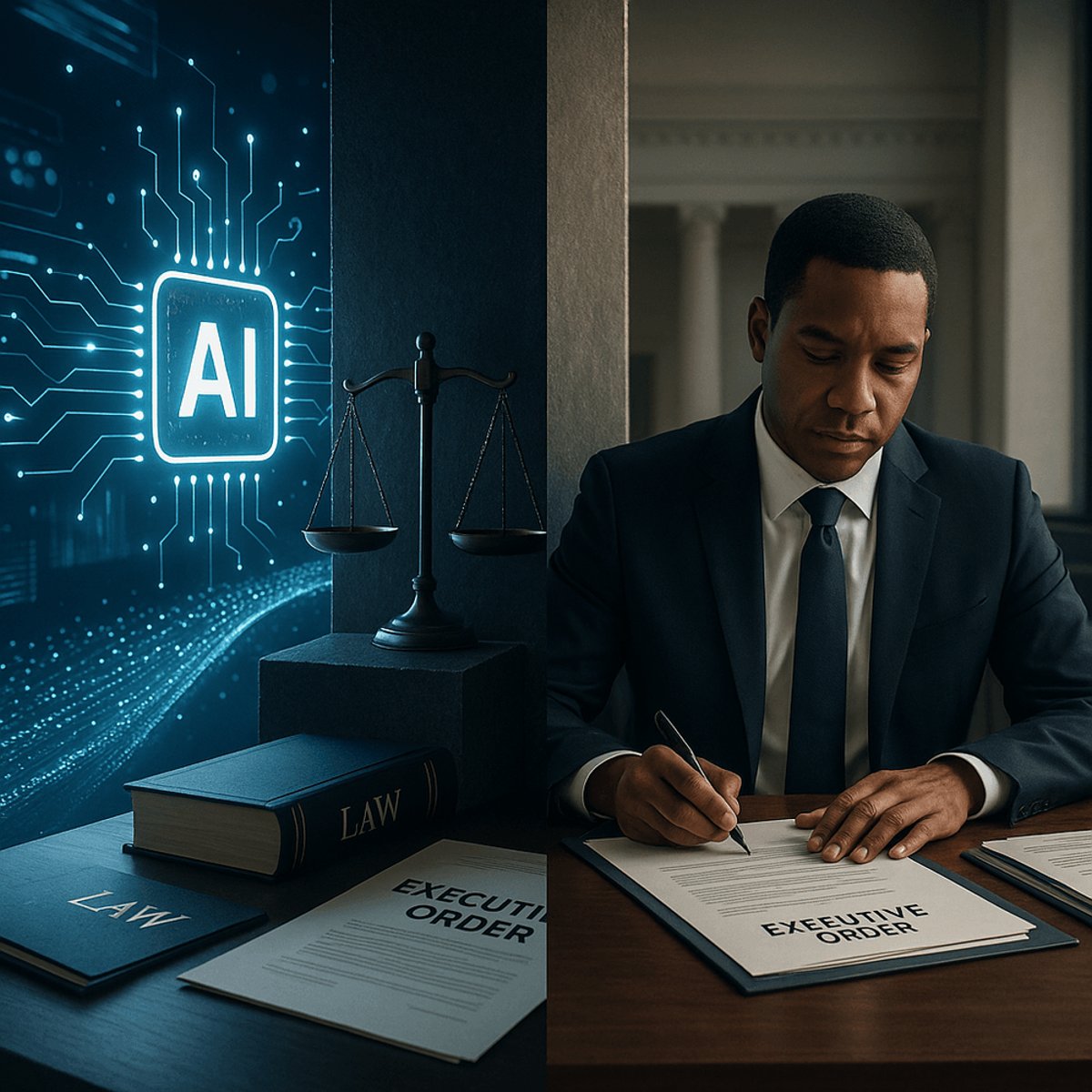
The Trump administration is preparing a new executive order aimed at Anthropic, escalating regulatory pressure on the AI startup even as its earlier actions face a critical court challenge. The move signals a deepening conflict between the White House and one of Silicon Valley's most prominent AI companies, raising questions about government oversight in the rapidly evolving artificial intelligence sector. The development comes as the administration refuses to rule out additional measures against the maker of Claude AI.
The Trump administration is doubling down on Anthropic. Sources familiar with the matter confirm the White House is drafting an executive order specifically targeting the San Francisco-based AI startup, marking an unprecedented escalation in tensions between Washington and Silicon Valley's AI elite.
The timing couldn't be more fraught. While the administration prepares new measures, its previous actions against Anthropic are facing their first major test in federal court. The company recently filed suit challenging government restrictions that allegedly blocked it from competing for defense contracts, a case that legal experts say could set important precedents for AI regulation.
When pressed by reporters about whether the administration would pursue additional actions beyond the pending executive order, White House officials declined to offer assurances. That non-answer speaks volumes in Washington, where such careful language typically signals more moves are coming. The administration's refusal to rule out further measures suggests this isn't just about one executive order but potentially a broader campaign.
Anthropic has emerged as one of the most influential players in generative AI since its founding by former OpenAI executives in 2021. The company's Claude assistant competes directly with ChatGPT and has attracted massive investment from Google, Amazon, and other tech giants. That backing gives the startup considerable resources to fight regulatory battles, but it also makes it a more visible target for an administration increasingly focused on AI oversight.
The conflict appears to stem from disagreements over AI safety protocols and national security considerations. According to Wired, the administration has raised concerns about Anthropic's approach to certain AI capabilities, though specific details remain closely guarded. The company has built its reputation on responsible AI development and has been vocal about implementing safety measures, making the administration's targeting particularly notable.
Industry observers worry the dispute could have ripple effects across the AI sector. If the White House can effectively restrict a well-funded, high-profile startup through executive action, smaller companies with fewer resources would be even more vulnerable. Venture capitalists are already whispering about potential regulatory risk in AI deals, and this latest development won't calm those nerves.
The legal battle over defense contracts adds another layer of complexity. Anthropic argues it was unfairly excluded from competing for government AI projects, potentially costing the company millions in revenue while also limiting the Pentagon's access to cutting-edge technology. The lawsuit challenges the administration's authority to impose such restrictions without clear legal basis, setting up a confrontation that could define the boundaries of executive power over AI companies.
What makes this situation particularly unusual is the combination of legal action and executive orders. Typically, administrations pause new measures when existing ones are being challenged in court. The decision to push forward with additional executive action while the lawsuit proceeds suggests the White House views Anthropic as enough of a concern to justify aggressive, multi-pronged intervention.
Competitors are watching closely but staying quiet. Neither OpenAI nor Microsoft-backed AI ventures have commented publicly, likely wary of drawing similar scrutiny. The selective targeting of Anthropic while other major AI labs continue operations raises questions about what specific factors triggered the administration's focus.
For Anthropic, the stakes extend beyond immediate business impact. The company has positioned itself as a leader in AI safety and constitutional AI principles, arguing that its approach actually addresses many of the concerns regulators should have. Being singled out by the administration threatens that carefully cultivated reputation and could complicate relationships with enterprise customers who need regulatory certainty.
The Trump administration's escalating confrontation with Anthropic marks a pivotal moment for AI regulation in America. Whether through executive orders, contract restrictions, or other measures still to come, the government is asserting authority over AI development in ways that will shape the industry for years. For Anthropic, the immediate challenge is navigating multiple legal and regulatory threats simultaneously while maintaining business operations and investor confidence. For the broader AI sector, this case will test how much power Washington really has to constrain innovation in the name of safety and national security. The outcome could either establish reasonable guardrails or create a chilling effect that pushes AI development offshore.