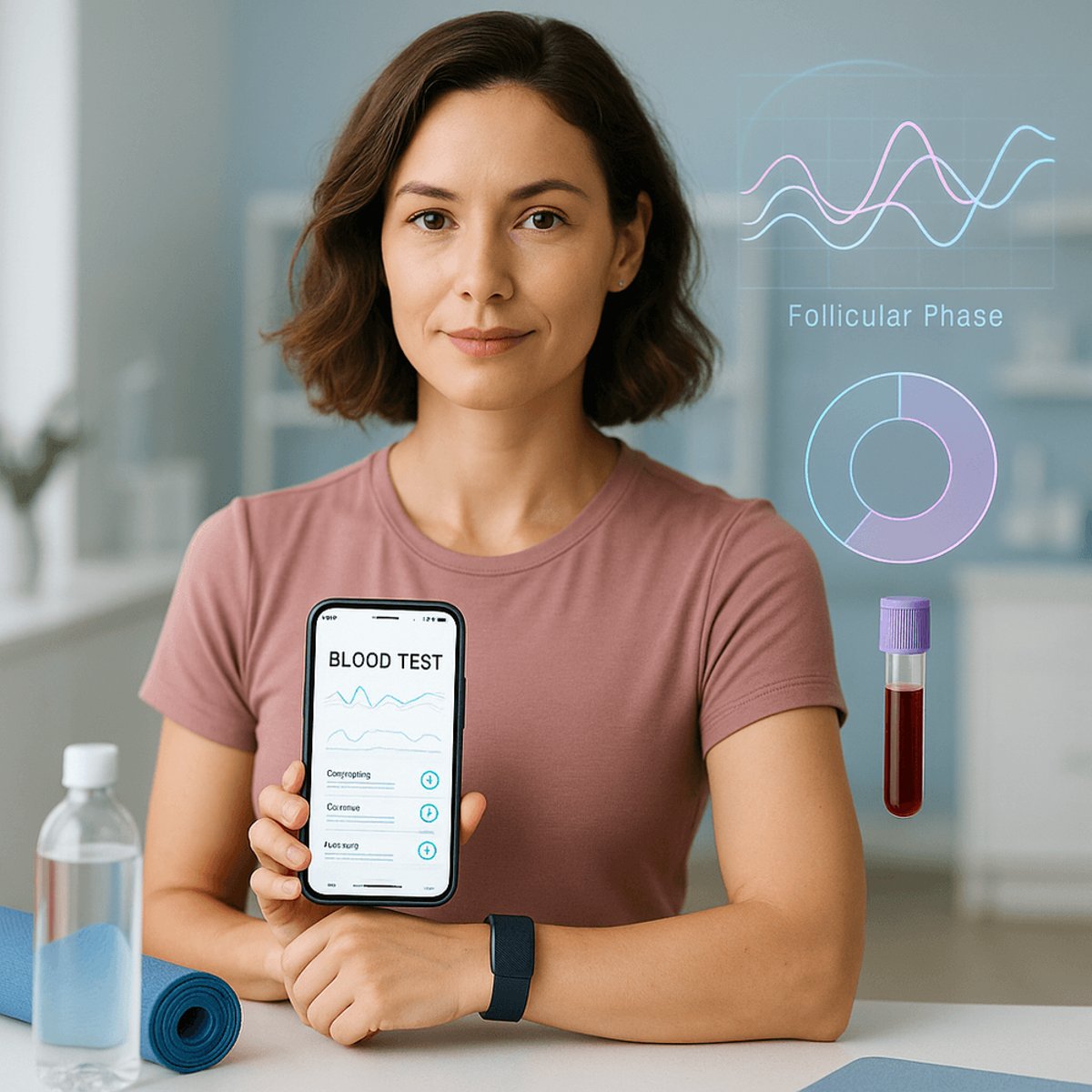
Whoop is pushing deeper into women's health with a new blood testing panel and menstrual cycle tracking features. The fitness wearable company, known for its subscription-based recovery tracking bands, announced today it's launching a dedicated women's health panel through Whoop Labs, its at-home blood testing service. The move puts Whoop in direct competition with femtech players and signals the company's ambition to own more of the health data ecosystem beyond wrist-worn sensors.
Whoop just made a big play for the women's health market. The company's rolling out a dedicated blood testing panel designed specifically for tracking hormonal health, paired with new cycle-tracking features that marry lab results with the biometric data its wearables already collect. It's a calculated expansion that transforms Whoop from a fitness recovery tool into something closer to a comprehensive health platform.
The new panel arrives through Whoop Labs, the at-home blood testing service the company launched to complement its signature fitness band. Users can now order tests focused on hormone levels and other biomarkers relevant to menstrual health, then view results alongside their sleep, strain, and recovery data in the Whoop app. The company's betting that the combination of continuous wearable data and periodic blood analysis will reveal patterns that neither data source could show alone.
What makes this launch notable isn't just the test itself - it's the timing. Women's health tech has exploded over the past few years, fueled by frustration with a medical system that historically underserved female patients. Companies like Oura and Apple have already added cycle tracking to their devices, but they've relied on self-reported data and proxy metrics like body temperature. Whoop's approach adds lab-verified hormone levels to the mix, potentially offering more precise insights into what's actually happening in the body.
The new app features work by overlaying menstrual cycle phases onto Whoop's existing metrics. Users who opt in can see how their sleep quality, heart rate variability, and recovery scores correlate with different phases of their cycle. Combined with blood test results showing actual hormone levels, the feature aims to help users understand whether fatigue or poor recovery stems from overtraining, inadequate sleep, or hormonal fluctuations.
Whoop's entering a crowded but fragmented market. Startups like Evvy, Tia, and Modern Fertility have built businesses around women's health testing, while established players like Apple continue adding reproductive health features to their devices. But most solutions live in silos - either wearable tracking or lab testing, rarely both. Whoop's vertical integration could give it an edge, especially among its core audience of fitness enthusiasts and athletes who already trust the brand's recovery insights.
The company hasn't disclosed pricing for the women's health panel, but existing Whoop Labs tests range from $75 to $295 depending on comprehensiveness. Whoop requires a membership subscription starting at $239 annually for device access, so the blood tests represent an additional revenue stream from an already-engaged user base.
There's strategic logic here beyond just product expansion. Whoop's been quietly building toward a future where it owns multiple touchpoints in users' health journeys. The wearable provides continuous passive monitoring. The blood tests deliver deeper insights at key intervals. The app becomes the single interface where everything connects. If executed well, that ecosystem creates serious lock-in - users who've built months of integrated health history won't easily switch to a competitor.
But the move also raises questions about how Whoop handles increasingly sensitive health data. Hormone levels and menstrual cycles carry privacy implications beyond heart rate and sleep duration. The company will need to demonstrate rock-solid data security and transparent policies about who can access this information, especially as reproductive health data becomes politically fraught in some U.S. states.
The broader context matters too. Consumer health testing has faced regulatory scrutiny, with the FDA cracking down on companies making medical claims without proper validation. Whoop Labs operates in the wellness testing space rather than diagnostic testing, but the line gets blurry when you're tracking hormones that could indicate medical conditions. How Whoop positions these tests - and what claims it makes about their utility - will determine whether regulators take notice.
For now, the company seems focused on the performance angle rather than medical diagnosis. Its messaging emphasizes optimizing training and recovery around menstrual cycles, not diagnosing hormonal disorders. That's a smart regulatory play, though it may limit appeal among women primarily interested in fertility or managing conditions like PCOS.
The launch also reflects changing expectations around health technology. A few years ago, wearables tracked steps and calories. Now users want molecular-level insights delivered through intuitive interfaces. Whoop's recognizing that comprehensive health tracking means going beyond sensors alone.
Whoop's expansion into women's health blood testing represents more than just a new product - it's a blueprint for how wearable companies can deepen their relationships with users by connecting continuous monitoring with clinical-grade insights. Whether the integration of blood data and biometrics actually delivers meaningful health improvements remains to be seen, but the strategy signals where consumer health tech is headed. For Whoop, success means proving that users will pay premium prices for a more complete picture of their health, not just another data stream to scroll through.