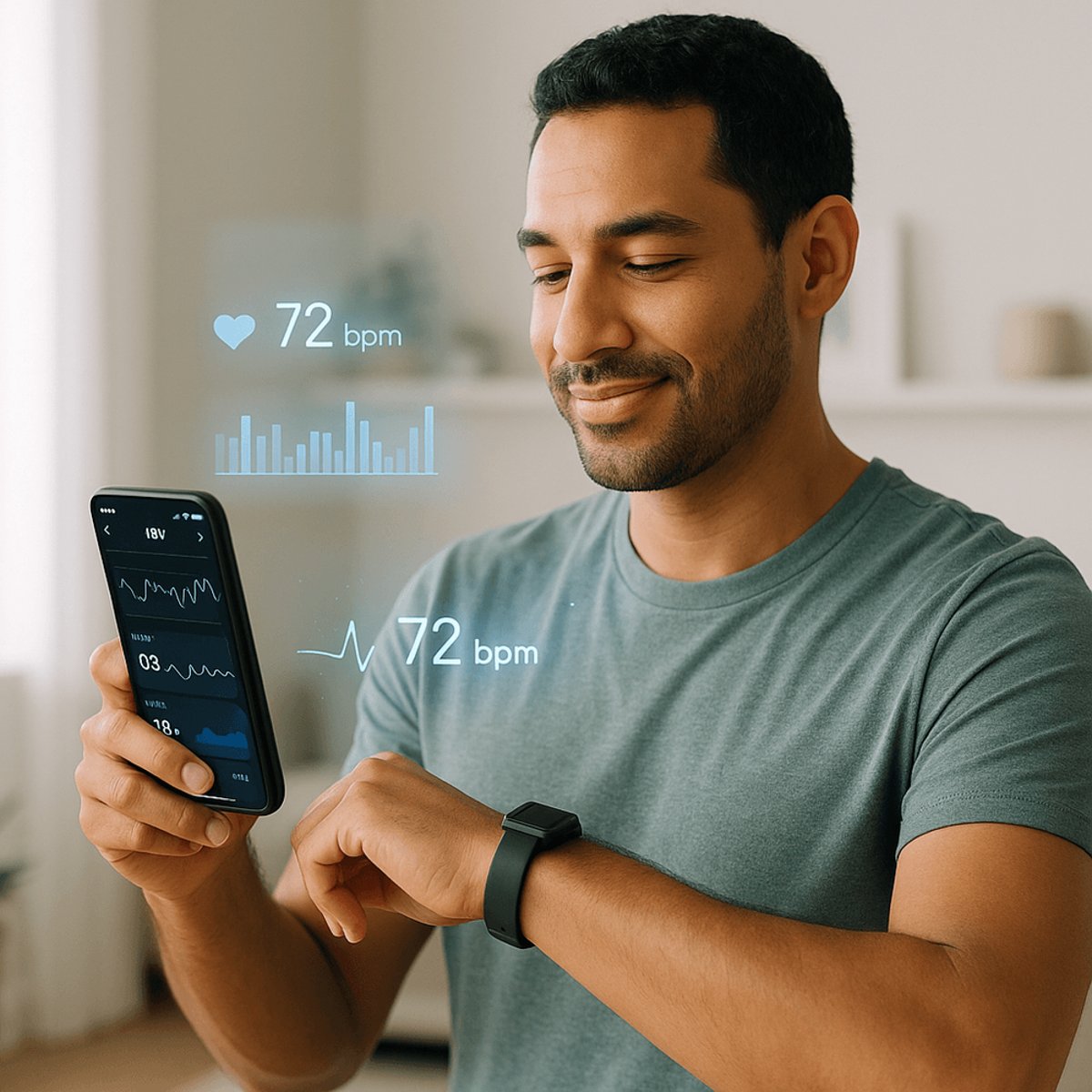
After 14 years building a health wearable for elite athletes like LeBron James, Whoop is making its biggest bet yet - going after everyday consumers. Founder Will Ahmed is racing against rivals like Oura and navigating FDA regulations to transform the company's subscription-based fitness tracker into a mainstream health tool that could detect serious medical conditions before they become life-threatening. The shift marks a critical inflection point for the Boston-based startup as it attempts to break out of its premium athlete niche.
Whoop built its reputation on the wrists of champions. LeBron James wears one. So do countless NFL players, CrossFit athletes, and Olympic contenders. But founder Will Ahmed isn't satisfied with owning the locker room anymore - he wants the living room too.
After spending 14 years perfecting a health wearable for the world's most elite performers, Ahmed is now steering Whoop toward a vastly different audience: your mom, your neighbor, anyone who wants to understand what's happening inside their body. It's an ambitious pivot that puts the Boston-based company on a collision course with Oura, the smart ring maker that's already captured significant mainstream market share, and raises thorny questions about FDA oversight and the future of consumer medicine.
The stakes are higher than just market share. Ahmed believes Whoop can evolve from a performance optimization tool into something that could literally save lives by detecting early warning signs of heart conditions, sleep disorders, or other serious health issues. That vision requires navigating the complex world of medical device regulation, where the FDA draws careful lines between wellness products and diagnostic tools.
Whoop's subscription model - users pay monthly fees rather than buying hardware outright - has worked well with dedicated athletes willing to invest in marginal gains. Convincing casual fitness enthusiasts to commit to ongoing payments is a different challenge entirely. The company charges $30 per month or $239 annually, a premium price point in a market where Apple Watch and Fitbit offer one-time purchase options.
The competitive landscape has shifted dramatically since Whoop's early days. Oura has built a devoted following with its sleek ring form factor and focus on sleep tracking, recently raising funding at a valuation north of $2 billion. Apple continues to add health features to its Watch, leveraging an installed base of hundreds of millions of users. Meanwhile, startups like Eight Sleep are attacking the sleep optimization market from different angles.
What sets Whoop apart, according to Ahmed, is the depth and continuity of its data collection. The device tracks heart rate variability, respiratory rate, skin temperature, blood oxygen levels, and sleep patterns 24/7, building a personalized baseline that can flag anomalies. That comprehensive monitoring could theoretically spot atrial fibrillation, sleep apnea, or early signs of illness - if the company can convince regulators and users that it works.
But expanding into medical territory means dealing with the FDA, which has become increasingly assertive about regulating digital health tools that make diagnostic claims. The agency has sent warning letters to multiple companies for overstepping the line between wellness and medicine. Whoop will need to carefully calibrate what it tells users about their health without triggering regulatory action or requiring the lengthy approval process for medical devices.
The company has raised over $400 million from investors including SoftBank, backing that reflects both its traction with athletes and the potential of the broader market Ahmed is now chasing. But that capital comes with expectations for growth that the relatively small community of elite athletes can't deliver. Going mainstream isn't optional - it's existential.
Ahmed's timing reflects broader trends in consumer health technology. People became more health-conscious during the pandemic, willing to invest in tools that provide insight into their bodies. Telemedicine normalized remote monitoring. Advances in sensors have made continuous health tracking more accurate and less intrusive. The question is whether consumers will embrace a device that requires commitment beyond the initial purchase.
The shift also tests whether a brand built on elite performance can translate to everyday wellness. Whoop's marketing has emphasized strain, recovery, and optimization - language that resonates with athletes but might feel overwhelming or irrelevant to someone who just wants to sleep better or move more. The company will need to develop new messaging that makes its technology feel accessible rather than intimidating.
Competitors aren't standing still. Oura recently launched features aimed at women's health tracking, tapping into an underserved market. Apple continues integrating health capabilities across its ecosystem. Established medical device makers are exploring consumer-friendly versions of their monitoring technology. The window for Whoop to establish itself in the mainstream market may be narrower than Ahmed hopes.
Whoop's pivot from elite athletes to mass-market consumers represents one of the most significant strategic shifts in the health wearables space. Ahmed is betting that the same technology that helps LeBron optimize his recovery can help everyday people detect serious health conditions before they become critical. But success requires threading multiple needles simultaneously - making the subscription model appealing to casual users, navigating FDA regulations without triggering burdensome approval processes, and competing against well-funded rivals with different form factors and pricing strategies. The next chapter of Whoop's story will reveal whether 14 years of building for the best athletes in the world translates into something your mom actually wants to wear.