WIRED just drops its definitive 2025 iPad buying guide, breaking down Apple's entire tablet lineup and the accessories worth buying - or avoiding. The timing couldn't be better as holiday shoppers navigate an increasingly complex iPad ecosystem with four different Pencil models and dozens of cases flooding the market.
WIRED just released its comprehensive 2025 iPad buying guide, and the timing reveals something interesting about Apple's tablet strategy. What started as a simple iPad lineup has morphed into a complex ecosystem that even tech journalists need to decode for consumers.
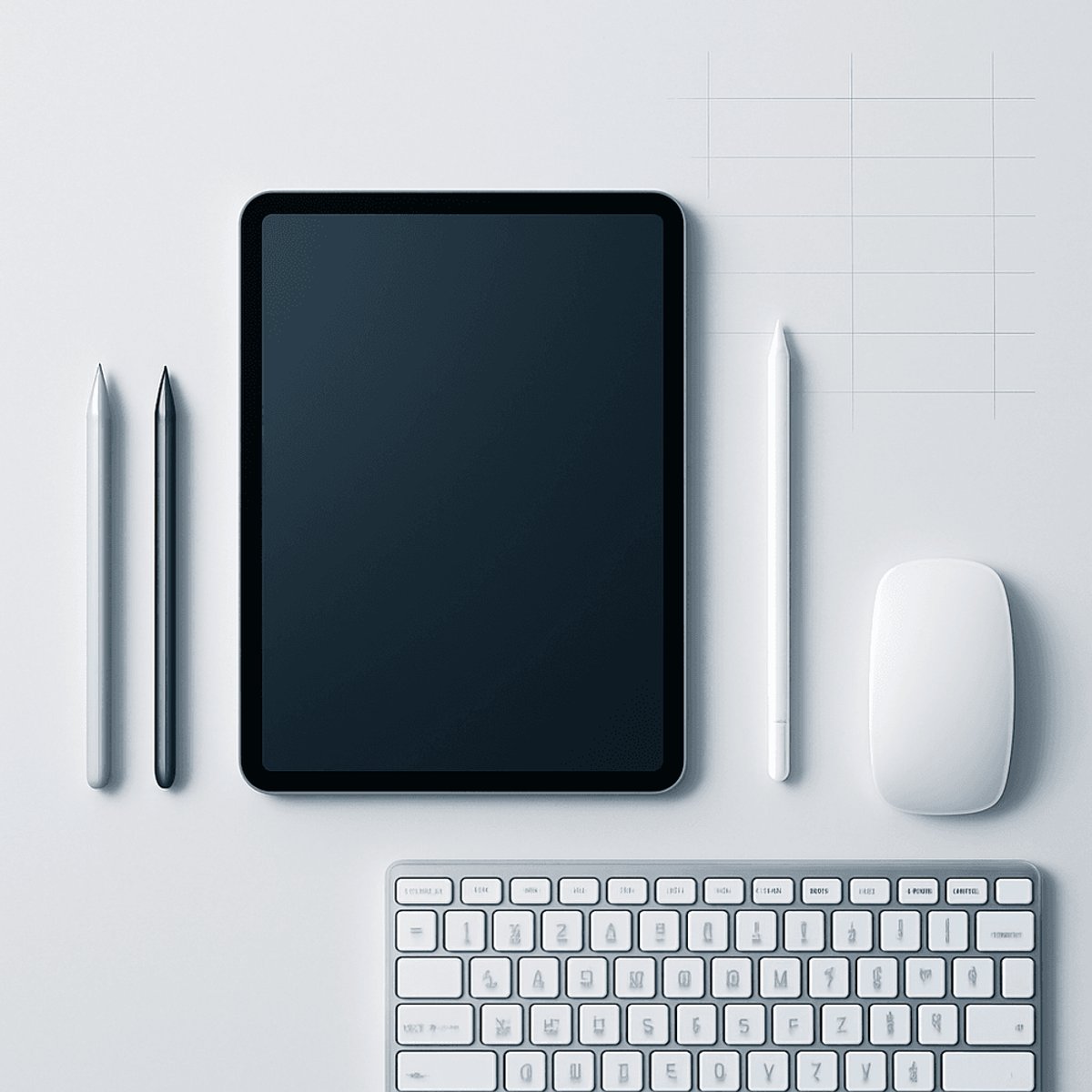
The guide's most telling section focuses on the Apple Pencil confusion that's now plaguing the iPad ecosystem. Apple currently sells four different Pencil models - the original Lightning model at $99, the USB-C version at $71, the discontinued 2nd-gen at $129, and the new Pro model at $99. Each has different compatibility requirements, charging methods, and feature sets.
"The USB-C Apple Pencil is a bit perplexing," WIRED's Julian Chokkattu and Brenda Stolyar write. The USB-C model lacks pressure sensitivity entirely, making it "better suited for note-takers rather than artists." Meanwhile, the Pro Pencil adds squeeze gestures and Find My tracking but only works with the newest iPads.
This fragmentation reflects a broader challenge in Apple's product strategy. The company that once prided itself on simplicity now requires detailed compatibility charts just to buy a stylus. The 2nd-generation Pencil, which many considered the sweet spot, has been discontinued and doesn't work with newer iPad Air or Pro models.
Beyond the Pencil chaos, WIRED highlights standout accessories that actually solve real problems. The Zugu Case earns top marks for its eight-position viewing angles and magnetic fridge mounting - a surprisingly practical feature that transforms iPads into kitchen displays or recipe readers.
The Logitech Combo Touch gets special attention for bridging the laptop-tablet gap without the premium price of Apple's Magic Keyboard. At $260 for the 10th-generation iPad version, it includes a full keyboard, trackpad, and kickstand while connecting through Apple's Smart Connector for worry-free pairing.
WIRED's accessory recommendations reveal how iPad users actually work. The guide emphasizes practical solutions like the Twelve South StayGo Mini USB-C Hub for expanding limited ports and the Satechi M1 Wireless Mouse for precision tasks that touch interfaces can't handle well.
What's notable is how the guide positions accessories as essential rather than optional. With iPad Pros now matching laptop prices, users expect laptop-level productivity. The accessories enable that transformation, but they also highlight the iPad's inherent limitations - the need for external keyboards, mice, hubs, and stands to achieve true productivity.
The guide arrives as Apple faces increasing pressure in the tablet market. iPad sales have been declining as smartphones get larger and laptops get thinner. The complex product matrix that WIRED has to decode suggests Apple is trying to serve too many use cases with a single product category.
For consumers, WIRED's guide serves as a reality check on iPad ownership costs. A mid-range iPad with essential accessories easily surpasses $800 - entering serious laptop territory. The question becomes whether iPad's touch-first interface justifies the complexity and cost premium over traditional computing.
The guide's emphasis on compatibility charts and accessory ecosystems reveals how far Apple has drifted from its original iPad promise of simplicity. What Steve Jobs positioned as a magical device now requires technical expertise just to choose the right stylus.
WIRED's 2025 iPad guide ultimately exposes the complexity that now defines Apple's once-simple tablet vision. While the recommended accessories can transform iPads into genuinely productive machines, they also highlight how far Apple has moved from the original plug-and-play promise. For consumers, the guide serves as both a helpful roadmap and a sobering reminder that iPad ownership now requires careful planning, compatibility research, and significant additional investment to reach its full potential.