India's data center gold rush just got a major boost. Tata Consultancy Services secured $1 billion from private equity giant TPG to build gigawatt-scale AI data centers across the country, part of a $2 billion "HyperVault" project that highlights India's emergence as a critical battleground for AI infrastructure investment.
Tata Consultancy Services just landed the backing it needed to become a major player in India's AI infrastructure race. The Indian IT giant secured $1 billion from private equity firm TPG as part of a multi-year, $2 billion project to build a network of gigawatt-scale data centers specifically designed for AI training and inference.
The timing couldn't be better. India faces a glaring infrastructure paradox - the country generates nearly 20% of the world's data but accounts for only about 3% of global data center capacity, according to Deloitte analysis. That gap has created a feeding frenzy among global tech companies racing to capture India's booming AI market.
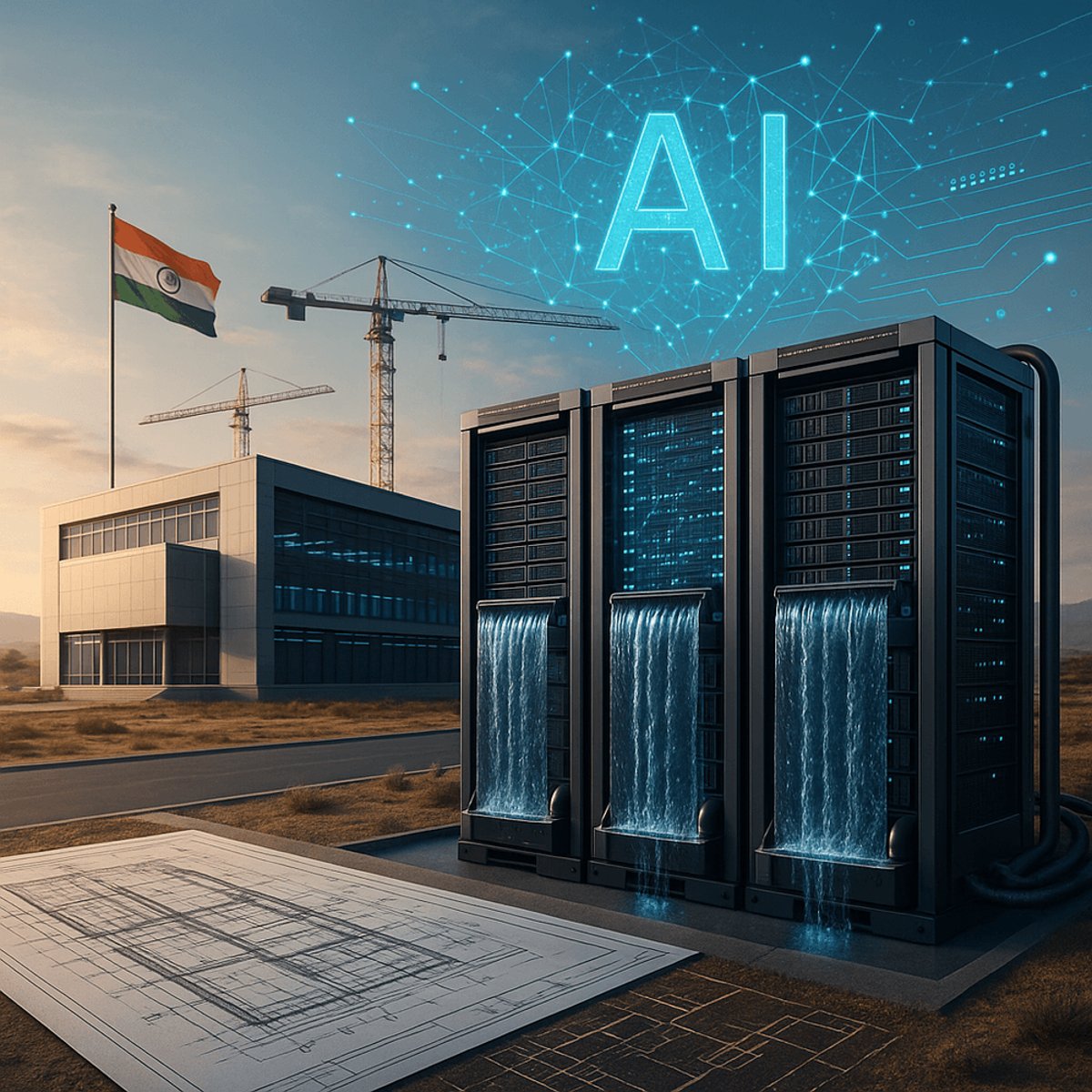
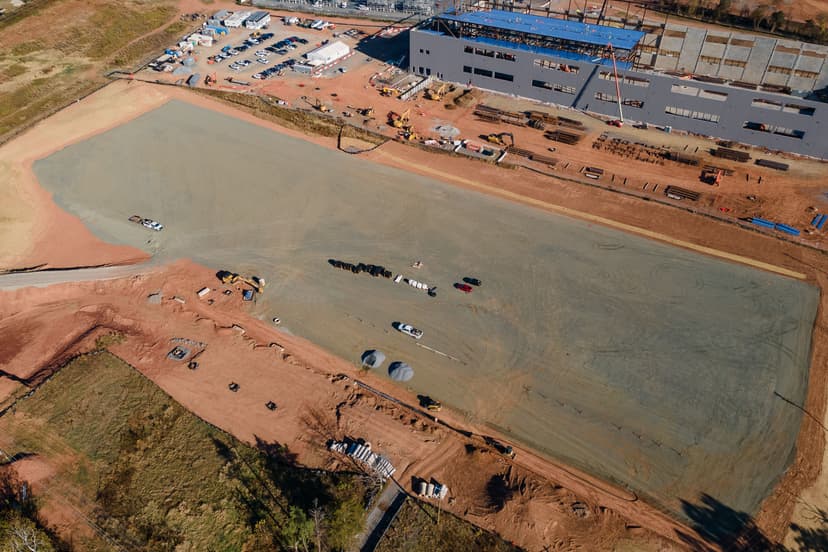
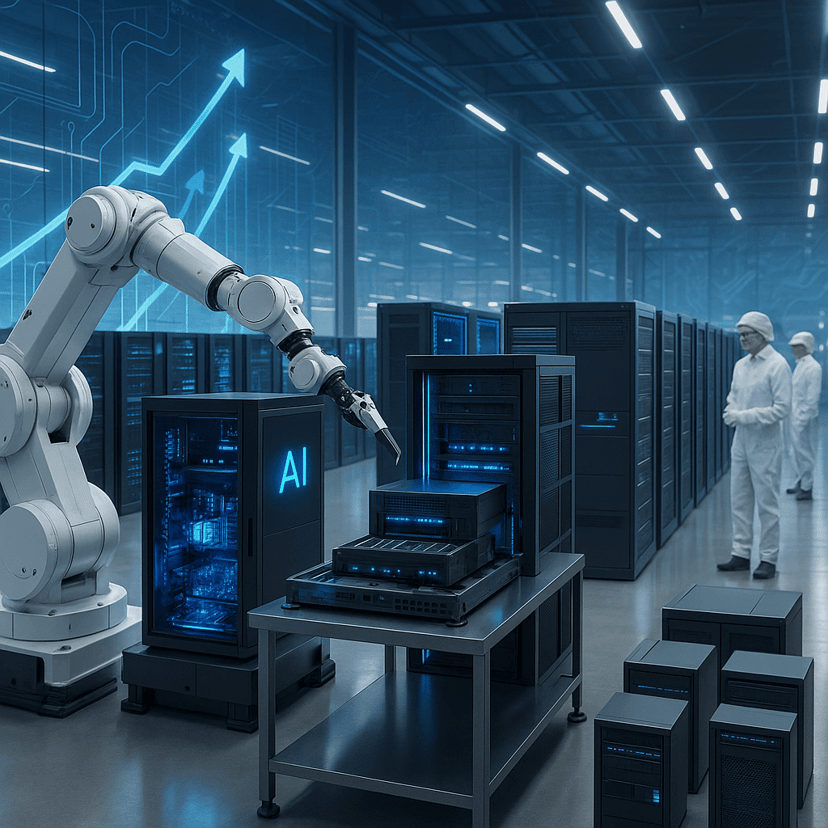
The "HyperVault" project, as TCS and TPG are calling it, plans to develop liquid-cooled, high-density data centers with the power and network capacity required to support advanced AI workloads across major cloud regions. The company plans to build around 1.2 gigawatts of capacity in its initial phase - enough to power a small city.
But this isn't just about meeting current demand. The liquid cooling and high-density rack designs that make these facilities AI-ready also raise serious questions about resource consumption in a country already grappling with water scarcity. According to S&P Global estimates, a single 1-MW data center can require up to 25.5 million liters of water annually for cooling.
That's particularly concerning in urban hubs like Mumbai, Bengaluru, and Chennai, where much of India's existing data center capacity is concentrated and water stress is already a daily reality. The rapid expansion of AI infrastructure also puts additional pressure on India's power grid and land availability - two other bottlenecks that industry analysts say could limit growth.
Yet global tech companies are treating India as their next frontier. Microsoft committed $3 billion over two years for India's cloud and AI infrastructure. Google went even bigger, announcing $15 billion over five years to build a gigawatt-scale AI data center hub in Andhra Pradesh. And Amazon committed $12.7 billion through 2030 for AWS cloud infrastructure.
According to S&P Global, local and global technology firms have announced more than $32 billion in data center infrastructure investments over the past two years alone. That's creating opportunities for local players like Reliance Industries and CtrlS, which are also expanding their capacity to meet surging demand.
TCS says it will work directly with hyperscalers and AI companies to design, deploy, and operate AI infrastructure as the HyperVault platform expands. The strategy makes sense - more than 95% of India's new data center capacity over the next five years will come from leased facilities rather than companies building their own dedicated infrastructure.
The companies project that India's total data center capacity could exceed 10 gigawatts by 2030, up from roughly 1.5 gigawatts today. That's a nearly seven-fold increase in less than a decade, driven almost entirely by AI workload demands that didn't exist just a few years ago.
The TCS-TPG partnership reflects a broader shift in how companies are approaching India's AI infrastructure buildout. Rather than going it alone, established IT services companies are partnering with private equity to move faster and scale bigger. With water, power, and land constraints already visible, the race isn't just about building capacity - it's about building the right kind of infrastructure that can handle tomorrow's AI workloads while managing today's resource realities. For TCS, this $2 billion bet positions the company not just as a service provider, but as a critical infrastructure player in India's AI future.