While Google and Samsung flood their latest phones with AI-powered camera features, Xiaomi just made a surprising bet at MWC 2026: hardware still matters more. The company launched its 17 and 17 Ultra flagship phones in Europe with barely a mention of artificial intelligence, instead spotlighting genuine optical innovations like continuous zoom and a new LOFIC sensor. According to Xiaomi's director of communications Angus Ng, that's exactly the point - the company believes hardware limitations need solving before software can truly shine.
Xiaomi just threw down a gauntlet in the smartphone camera wars, and it looks nothing like what Google or Samsung have been doing. At MWC 2026 in Barcelona, the Chinese tech giant unveiled its 17 and 17 Ultra flagships with a presentation that felt like a time capsule from the pre-AI era - and that's entirely intentional.
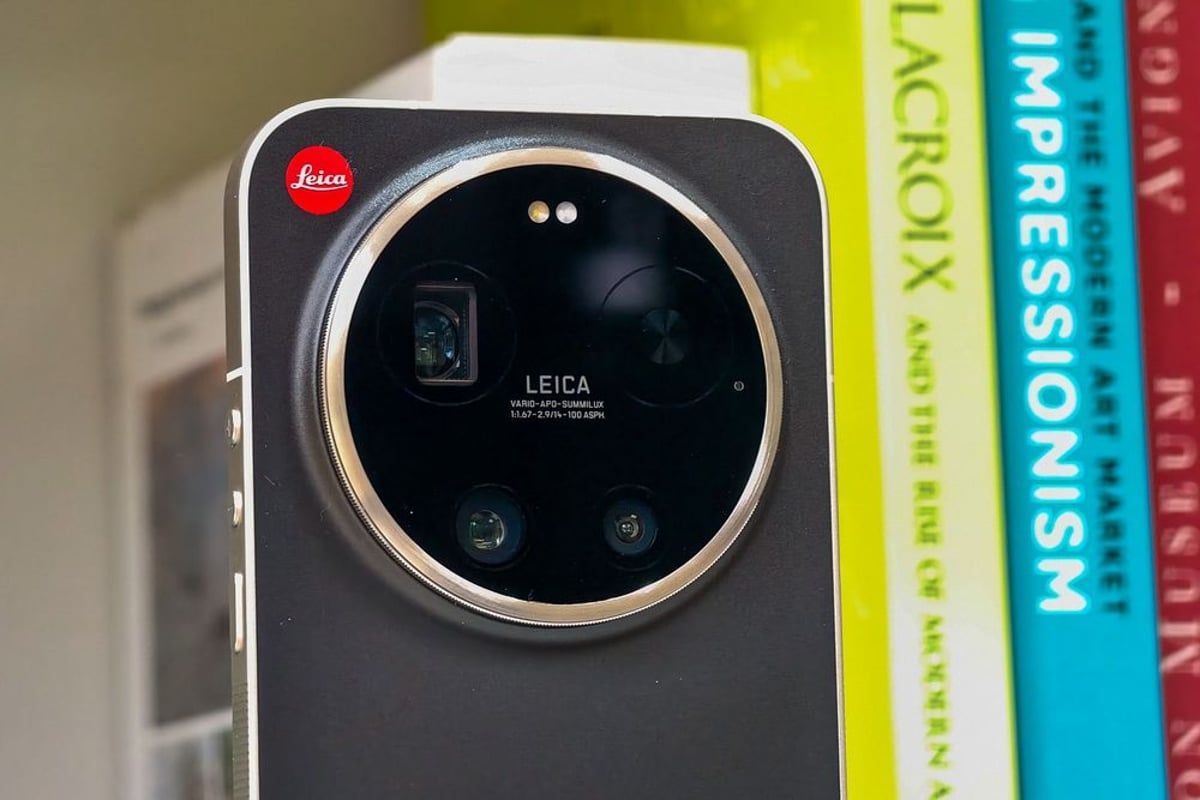
While competitors race to cram more neural processing into every shutter click, Xiaomi spent its stage time talking about sensor size, lens coatings, and optical zoom mechanics. The special edition Leica Leitzphone built on the 17 Ultra platform represents the purest expression of this philosophy, sporting hardware tricks that can't be replicated through software alone.
"We're still currently focusing on what is the limitation of hardware," Angus Ng, Xiaomi's director of communications and public relations, told The Verge at the show. His comments came in response to questions about why Xiaomi's approach diverges so sharply from the AI-heavy launches of the Pixel 10A and Galaxy S26.
The timing couldn't be more striking. Samsung's S26 series sparked controversy for its aggressive AI processing that some reviewers described as creating "camera nightmares" - images that looked processed to the point of artificiality. Google continues doubling down on computational photography, letting its tensor chips do the heavy lifting while working with modest camera hardware.
Xiaomi's going the opposite direction. The 17 Ultra's marquee feature is continuous optical zoom, a mechanical feat that requires precise motor control and lens engineering. The LOFIC (Lateral Overflow Integration Capacitor) sensor technology promises better dynamic range through hardware design rather than multi-frame processing.
The Leica partnership adds another layer to this strategy. The legendary German camera maker brings optical expertise that goes back decades, contributing lens designs and color science that can't be easily replicated through algorithms. The Leitzphone variant features Leica's signature red dot and what the companies describe as "authentic" photographic rendering.
But Xiaomi isn't completely ignoring AI. The company just thinks the foundation needs to be solid first. "If it really comes to a point where we can't really push the hardware further, then of course we'll look at the software side," Ng explained, though the quote was truncated in the original reporting.
This represents a fundamental philosophical split in smartphone photography. Google's approach assumes computational power can overcome hardware limitations - take multiple frames, apply machine learning, and create a better final image than any single exposure could provide. Samsung follows a similar path, though its recent AI stumbles suggest the approach has limits.
Xiaomi's betting that physics still matters. A larger sensor captures more light. Better lens coatings reduce flare. Continuous zoom provides framing flexibility that digital cropping can't match. These advantages compound before any processing begins.
The market dynamics make Xiaomi's stance riskier than it appears. The company's trying to break into premium European markets where Apple and Samsung dominate. Most consumers can't articulate the difference between optical and digital zoom, but they can understand "AI-powered" marketing claims. Xiaomi's choosing the harder sell.
Yet there's evidence the hardware-first approach resonates with enthusiasts. Leica's brand carries weight with photography purists who view heavy computational processing as cheating. The M-series rangefinders and Q-series compacts command premium prices partly because they promise "honest" image rendering.
The 17 and 17 Ultra launched across Europe over the weekend, giving Xiaomi its first major test of whether hardware differentiation still matters in 2026. Early hands-on coverage suggests the cameras deliver, though real-world testing will determine if optical excellence translates to sales.
What's clear is that Xiaomi's carved out a distinct position. At a show where every other manufacturer touted AI capabilities, one company talked about millimeters, apertures, and sensor architectures. Whether that's visionary or stubborn depends on what consumers ultimately value - the reality of better hardware or the promise of smarter software.
Xiaomi's hardware-first camera strategy sets up a fascinating test for the smartphone industry. While Google and Samsung chase AI-enhanced computational photography, Xiaomi and Leica are betting that better optics, larger sensors, and mechanical innovation still matter to consumers. The 17 Ultra's European launch will reveal whether premium buyers care more about genuine optical quality or the allure of AI-powered features. Either way, the competition benefits everyone - pushing both hardware and software boundaries in the endless quest for better smartphone photography.