YouTube is doubling down on its television takeover with a major expansion in India and an aggressive hiring push for interactive video features. The Google-owned platform is establishing a new engineering hub in Bengaluru while recruiting across partnerships and product roles, signaling that the battle for the living room screen has become its top strategic priority as TV viewing now drives the majority of watch time on the platform.
YouTube just made its clearest signal yet that the future of video isn't on your phone - it's on your TV. The platform is spinning up a dedicated engineering center in Bengaluru, India, while simultaneously launching a hiring blitz for roles focused on interactive video and television partnerships, according to TechCrunch.
The timing isn't coincidental. YouTube's TV viewing hours have exploded over the past two years, with the platform now commanding more living room screen time than traditional cable among younger demographics. The Bengaluru hub represents Google's bet that the next phase of YouTube's growth will be engineered not in Mountain View, but in one of Asia's fastest-growing tech ecosystems.
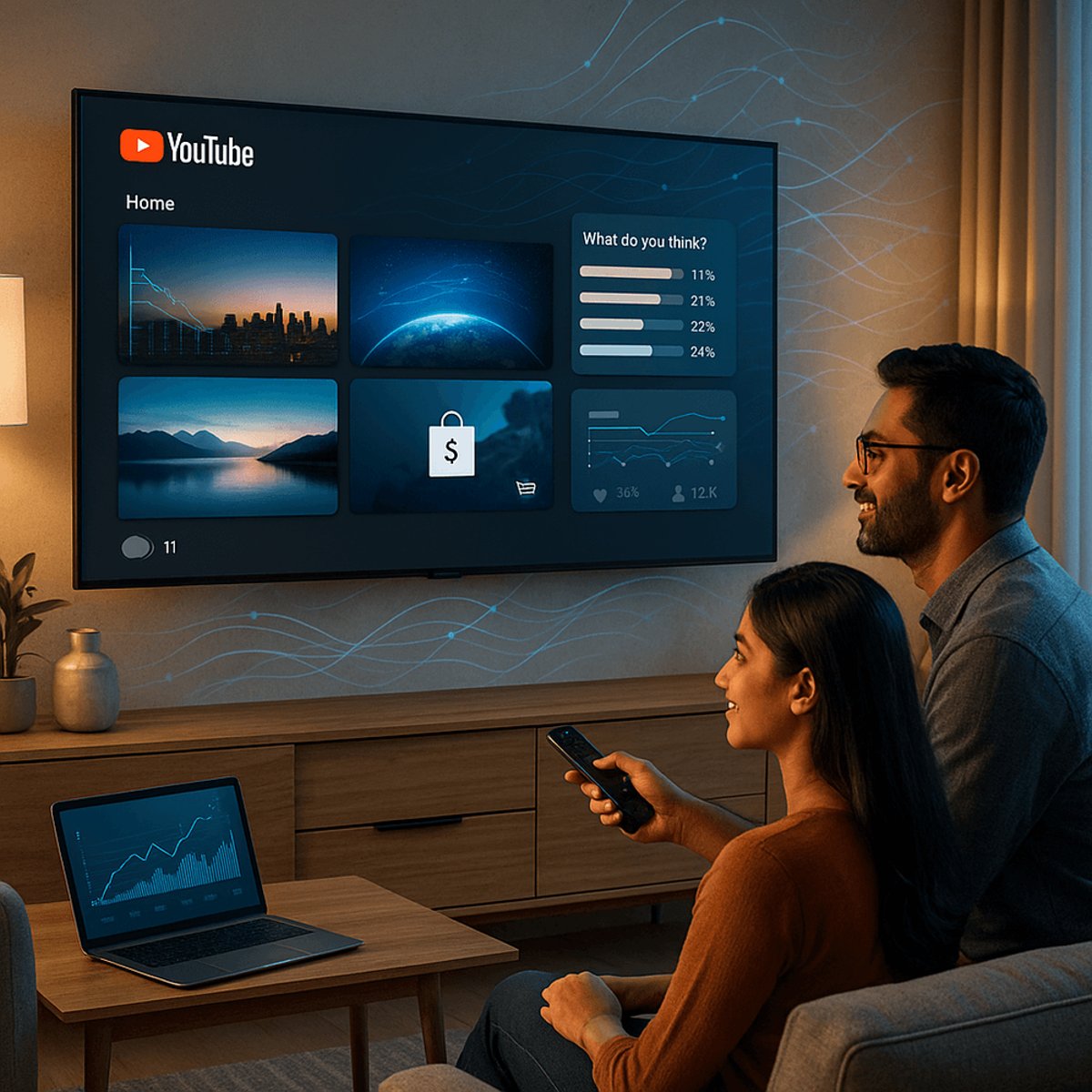
What makes this expansion particularly revealing is the focus on interactive video across formats. While YouTube has dominated passive video consumption for nearly two decades, the company is now racing to make TV viewing as engaging as scrolling through Shorts on mobile. That means bringing features like live polling, shopping integrations, and real-time Q&A sessions to the big screen - capabilities that could fundamentally reshape how millions experience content in their living rooms.
The strategic shift comes as YouTube TV, the company's live television streaming service, continues to chip away at traditional cable subscriptions. But the broader play here isn't just about cord-cutting - it's about positioning YouTube as the default video platform regardless of screen size or viewing context. The Bengaluru engineering team will specifically tackle the technical challenges of delivering interactive experiences that work seamlessly whether you're watching on a 65-inch OLED or scrolling on your phone during commercial breaks.
For Google, the India expansion carries additional weight beyond just engineering talent. India represents one of the world's fastest-growing streaming markets, with smart TV adoption accelerating rapidly among middle-class households. Having engineering teams on the ground in Bengaluru means YouTube can build features tailored for emerging markets while maintaining the technical sophistication needed for premium Western audiences.
The hiring push reveals YouTube's organizational priorities. The company is specifically recruiting for partnership roles that will work with content creators, advertisers, and device manufacturers to optimize the TV experience. Product managers focused on interactive features suggest YouTube is moving beyond simple video playback toward creating what the industry calls "lean-in TV" - programming that demands active participation rather than passive viewing.
This puts YouTube on a collision course with traditional streaming giants like Netflix and Disney+, which have largely treated interactivity as a novelty rather than a core feature. If YouTube can crack the code on making interactive TV feel natural rather than gimmicky, it could open entirely new advertising and engagement models. Imagine watching a cooking show where you can instantly purchase ingredients, or a tech review where you can compare specs in real-time without leaving the video.
The competitive implications extend beyond streaming services. Smart TV manufacturers like Samsung and LG have been trying to build their own content ecosystems with limited success. YouTube's aggressive TV push - backed by Google's engineering resources and advertising infrastructure - could further cement its position as the indispensable app that every smart TV must include.
What remains unclear is how YouTube will balance the creator economy that built the platform with the polished, professional content expectations of TV viewers. The Bengaluru team will likely wrestle with questions about recommendation algorithms, content moderation at TV scale, and how to surface long-form creator content alongside premium programming. These aren't just technical challenges - they're existential questions about what YouTube wants to become as it grows up from scrappy video platform to living room staple.
The India engineering hub also signals Google's continued confidence in distributed development teams, even as other tech giants pull back from international expansion. While companies like Meta and Amazon have recently consolidated operations, Google is betting that specialized regional teams can move faster on localized features while contributing to the global product roadmap.
YouTube's Bengaluru expansion and interactive video push represent more than just product development - they're a fundamental reimagining of what television can be in the streaming era. As the platform shifts from mobile-first to screen-agnostic, the real test will be whether it can maintain the creator-driven authenticity that differentiated it from traditional TV while delivering the polish and interactivity that living room audiences expect. For Google, success means YouTube doesn't just compete with Netflix and Disney+ - it becomes the infrastructure layer that makes all video interactive, personalized, and shoppable, regardless of where or how you watch.