Zoox, Amazon's autonomous vehicle subsidiary, just issued a software recall after one of its robotaxis got dangerously confused by heavy smoke. The incident comes at a critical moment - federal safety regulators are already cracking down on self-driving cars that interfere with emergency responders. It's the latest sign that autonomous vehicles still struggle with edge cases that human drivers handle instinctively, raising fresh questions about when these cars will truly be ready for public roads.
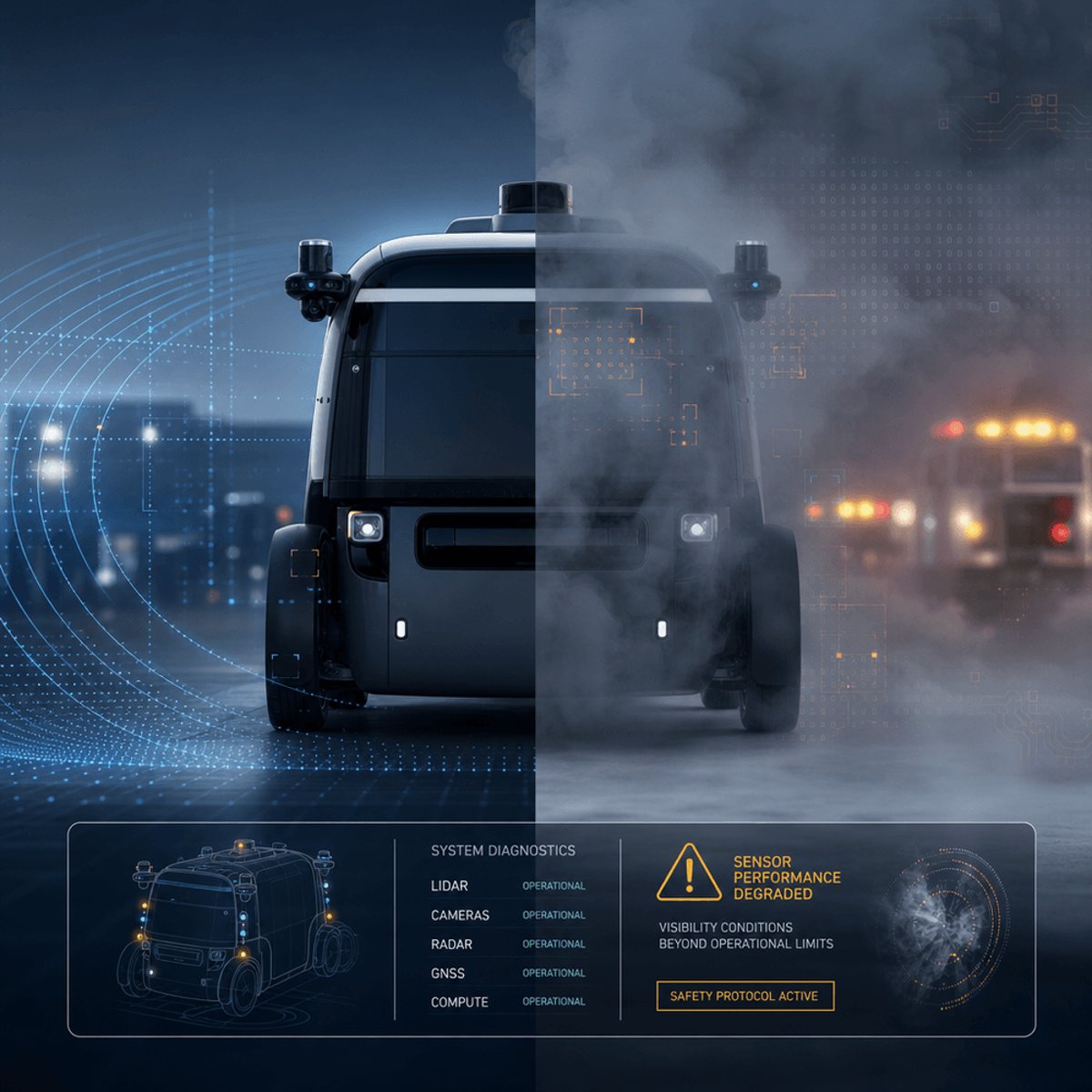
Zoox found itself issuing an unexpected software recall this week after one of its robotaxis couldn't figure out what to do when it encountered heavy smoke. The Amazon-owned company's autonomous vehicle apparently got so confused by the obscured conditions that it triggered safety concerns serious enough to warrant a formal recall.
The timing couldn't be worse. The National Highway Traffic Safety Administration has been warning autonomous vehicle companies about their cars getting in the way of first responders. It's becoming a pattern - self-driving vehicles that work fine in clear conditions suddenly become unpredictable obstacles when emergency crews are trying to do their jobs.
What happened in this particular incident remains somewhat unclear, but the implications are obvious. Heavy smoke - whether from wildfires, building fires, or other sources - creates exactly the kind of chaotic, low-visibility scenario that separates truly autonomous vehicles from expensive prototypes. Human drivers can use context clues, common sense, and years of learned behavior to navigate these situations. Robotaxis are still learning.
The recall affects Zoox's custom-built bidirectional vehicles, the distinctive toast-shaped robotaxis the company has been testing in Las Vegas and other markets. Unlike Waymo or Cruise, which retrofit existing vehicles, Zoox designed its cars from scratch specifically for autonomous operation. That should theoretically give them an advantage - every sensor, every system optimized for self-driving. But this incident suggests even purpose-built AVs struggle with environmental conditions that obscure their perception systems.
Amazon acquired Zoox back in 2020 for a reported $1.2 billion, betting big on autonomous delivery and ride-hailing. The e-commerce giant has been patient, letting Zoox develop its technology without rushing to market. But patience doesn't eliminate the fundamental challenges of teaching cars to drive themselves in every possible condition.
The software recall means Zoox will push an over-the-air update to fix whatever went wrong in the smoke scenario. That's one advantage of software-defined vehicles - bugs can be patched remotely rather than requiring physical shop visits. But it also highlights how much of autonomous driving is still being debugged in real-time, even as these vehicles carry passengers on public streets.
Regulatory pressure is mounting across the industry. NHTSA's warnings about AV interference with first responders aren't just about this single Zoox incident. Cruise faced intense scrutiny last year after one of its vehicles dragged a pedestrian following an accident. Waymo has dealt with incidents where its cars blocked emergency vehicles. The pattern suggests the technology still has blind spots - sometimes literally.
For Zoox, this recall is a setback but probably not a fatal one. The company has been methodical about its rollout, focusing on geofenced areas where it can control variables. But you can't control smoke, fog, heavy rain, or the dozens of other environmental factors that reduce visibility. Self-driving systems built primarily on cameras and lidar need to see clearly to function. When that visibility gets compromised, the software has to make judgment calls it might not be programmed to handle.
The incident also raises questions about testing protocols. Did Zoox not simulate heavy smoke conditions before deploying these vehicles? Or did the real-world scenario present variables the simulations missed? Either way, it's another data point suggesting the gap between controlled testing and chaotic reality remains wider than the industry wants to admit.
What happens next matters. If Zoox can quickly deploy a fix and demonstrate it works in smoke conditions, this becomes a minor hiccup in a long development cycle. But if the problem proves harder to solve - if heavy smoke fundamentally confuses the vehicle's sensor suite in ways software can't easily patch - it could signal deeper limitations in current autonomous technology.
This recall is a reminder that autonomous vehicles are still works in progress, no matter how polished the marketing materials look. Zoox will fix this specific bug, push the update, and move forward. But the broader challenge remains - building self-driving systems robust enough to handle not just sunny California days, but smoke, fog, torrential rain, and every other curveball the real world throws at them. Until AVs can navigate those edge cases as reliably as the routine ones, they'll keep running into the same regulatory and public trust issues that are slowing the entire industry's rollout. The technology is impressive, but it's not quite ready to replace human judgment in every scenario.