The smart home is getting its biggest upgrade yet. At this week's IFA consumer tech show in Berlin, LG and Samsung are showcasing AI-powered platforms that could finally deliver the ambient computing promise - homes that anticipate your needs without commands. The technology shift from reactive to proactive automation represents a watershed moment that could transform how we live.
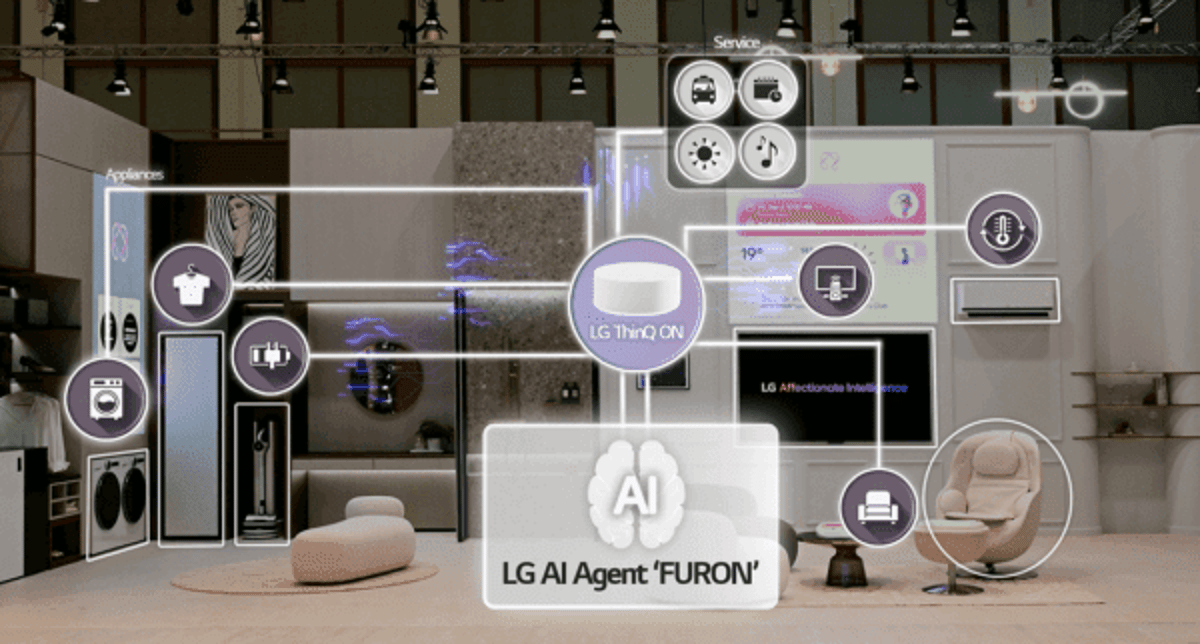
LG just fired the opening shot in the next generation of smart home warfare. At IFA 2025 in Berlin this week, the South Korean giant is showcasing its FURON AI Agent - the brain behind what it calls "Affectionate Intelligence." The timing couldn't be more strategic, coming as the smart home market stands at an inflection point between clunky voice commands and true ambient computing.
Samsung isn't standing idle. The company is promoting how its SmartThings platform integrates with AI Home, positioning itself as the orchestrator of connected living. Both tech giants are racing toward the same goal: homes that think for themselves.
The shift represents more than incremental improvement. Where today's smart homes require constant human input - "Alexa, turn on the lights" or tapping through apps - these AI-powered systems promise to observe, learn, and act autonomously. Your home would know to brew coffee when sensors detect you've awakened, or automatically adjust lighting based on your daily routines.
Amazon and Google have already shown early glimpses of this future. Amazon's Alexa Plus and Google's Gemini for the Home leverage Large Language Models and Visual Language Models to provide context-aware responses. Ring cameras now generate natural language descriptions of events - "a brown chicken is pecking in the garden" instead of generic "motion detected" alerts.
But the real breakthrough may come from processing power moving to the edge. Unlike smartphones that depend on cloud connectivity, smart homes can run AI models locally. This addresses the privacy concerns that have plagued connected devices, keeping sensitive data about who's home and what they're doing within the house itself. Europe's robust data privacy regulations make IFA the perfect stage to demonstrate this capability.
The infrastructure challenge remains formidable. True ambient computing requires sensors throughout the home - a significant ask for existing homeowners. Startup Doma, founded by the August smart lock team, is betting on hardwired mmWave sensors precise enough to detect breathing patterns. But retrofitting existing homes with such comprehensive sensing networks seems realistic only for high-end remodels.
Philips Hue may have found a more practical approach. Rumors suggest the company will announce MotionAware sensing at IFA, turning its existing network of smart bulbs into motion sensors. With millions of Hue lights already installed globally, the company could instantly create the largest distributed sensing network in smart homes.
The competitive dynamics are shifting rapidly. Apple is reportedly eyeing cameras as its next smart home move, recognizing that visual data will fuel the AI systems of tomorrow. Meanwhile, companies like Govee and Aqara have already added chatbots to their apps, making complex lighting routines as simple as typing "set good makeup lighting on my vanity."
The reliability question looms large. A misconfigured thermostat is an inconvenience; an AI system that misinterprets sensor data could have serious consequences. Recent reports of AI systems going off the rails underscore the stakes of deploying autonomous systems in our most personal spaces.
Yet the promise remains compelling. The smart home has struggled for years with complexity and reliability issues that have limited mainstream adoption. AI offers a path to finally deliver on the original vision - technology that disappears into the background while making our lives more comfortable, secure, and efficient. The question is whether companies can execute on these grand visions or if we'll see another cycle of overpromised and underdelivered smart home dreams.
The smart home wars are entering their AI phase, with tech giants betting billions that machine intelligence can finally deliver the ambient computing promise that has eluded the industry for decades. While infrastructure challenges and privacy concerns remain, the combination of edge AI processing and comprehensive home sensing could transform connected living from voice-commanded automation to truly intelligent spaces. The companies that crack this code won't just own the smart home market - they'll reshape how we interact with our most personal environments.