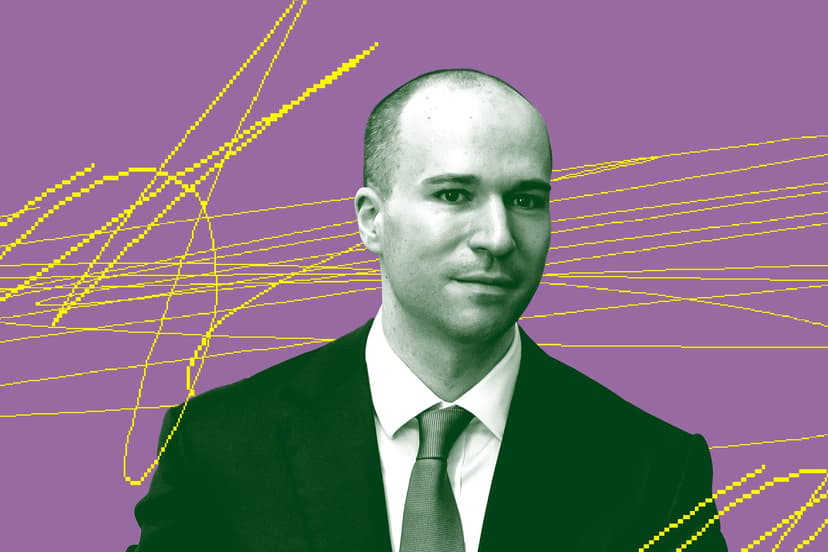
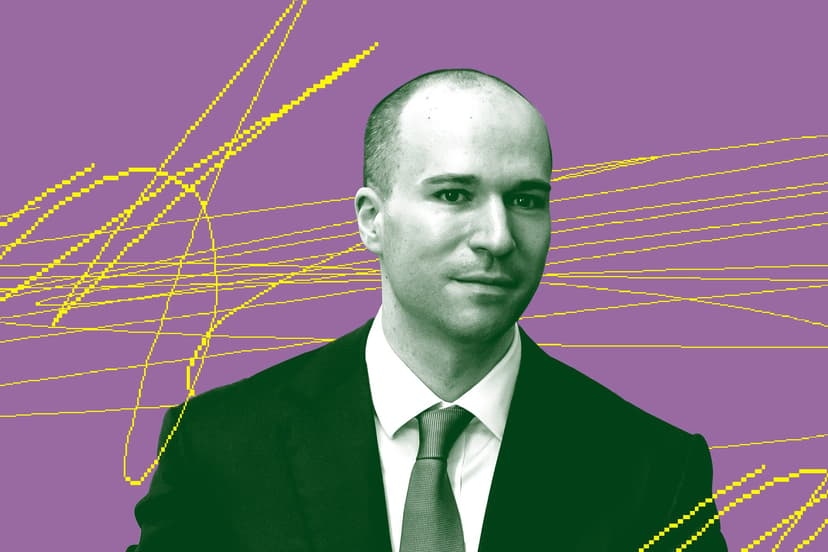
Mira Murati's AI startup is about to get a whole lot richer. Accel is reportedly in talks to lead a $1 billion round for Thinking Machines Lab that would value the company at a staggering $40 billion, according to TechCrunch. The kicker: the startup's annual revenue run rate has already crossed $100 million, a number that's turning heads even in an AI market numb to big figures.
Mira Murati doesn't do things quietly, and neither does her bank account, apparently. Accel is in advanced talks to lead a $1 billion investment into Thinking Machines Lab, the AI startup Murati founded after her high-profile exit from OpenAI, according to a report from TechCrunch. If it closes, the round would value the company at $40 billion, a figure that puts Thinking Machines in the same valuation stratosphere as some of the most established names in AI, and it would do so before the company has even hit its second birthday.
What's really turning heads isn't just the valuation, it's the revenue. Thinking Machines is reportedly pulling in an annual run rate north of $100 million, per TechCrunch's reporting. That's a real number backing up a valuation that, on paper, might otherwise look like pure hype. For context, plenty of AI labs raising at multi-billion dollar valuations are still pre-revenue or generating a fraction of that. Thinking Machines apparently isn't one of them.
Murati's pedigree is doing a lot of the heavy lifting here, and it's worth remembering how we got here. She spent years as OpenAI's chief technology officer before departing in 2024 to start her own venture, a move that sent shockwaves through the industry at the time, similar to the ripple effects we covered when other senior OpenAI executives left to build competing labs. Since then, she's assembled a team stacked with former OpenAI, Google DeepMind, and Meta researchers, and investors have been circling ever since.
This wouldn't be Thinking Machines' first big check. The startup reportedly raised roughly $2 billion in its earlier seed round at a $10 billion valuation, a figure that already raised eyebrows as one of the largest seed rounds in Silicon Valley history. If the new $40 billion number holds, that's a 4x markup in a relatively short window, the kind of trajectory usually reserved for companies with either explosive product adoption or an unusually persuasive founder story. With Murati, it's probably both.
Accel, for its part, has been an aggressive player in the AI funding wars, with stakes across enterprise AI infrastructure and foundation model companies. Leading a round of this size puts the firm squarely in competition with the likes of Sequoia, Thrive Capital, and sovereign wealth vehicles that have been chasing allocations in every marquee AI deal, a dynamic we detailed in our look at how mega-rounds are reshaping venture capital. None of the parties involved have confirmed the terms publicly, and deals at this stage can still fall apart or get restructured before signing.
Still, the fact that talks have reportedly progressed this far signals something bigger about where AI investing is headed in late 2026. Valuations for frontier labs keep climbing even as questions swirl about whether the underlying economics justify the multiples. A $100 million run rate is genuinely impressive for a company this young, but it's also a fraction of the revenue that would typically support a $40 billion price tag under traditional software multiples. Investors are clearly betting on trajectory, not just current numbers, a pattern we've seen repeat across the sector, from Anthropic's fundraising climb to xAI's rapid valuation jumps.
What happens next matters a lot for the broader AI funding landscape. If Accel closes this round at the reported terms, it'll likely trigger another wave of competitive term sheets from funds that missed out, further inflating valuations across the sector. It also raises the stakes for Thinking Machines to start shipping products that justify the number, something the company has been relatively quiet about so far. Expect more details on the round's structure, potential co-investors, and Thinking Machines' actual product roadmap to surface in the coming weeks.
For readers tracking the AI funding frenzy, this deal is another data point in a trend that shows no signs of slowing: investors are willing to pay historic multiples for founders with the right pedigree and even modest but growing revenue. Whether Thinking Machines can grow into its reported $40 billion valuation will depend on what it actually ships next, but for now, the market is betting big on Murati's second act.