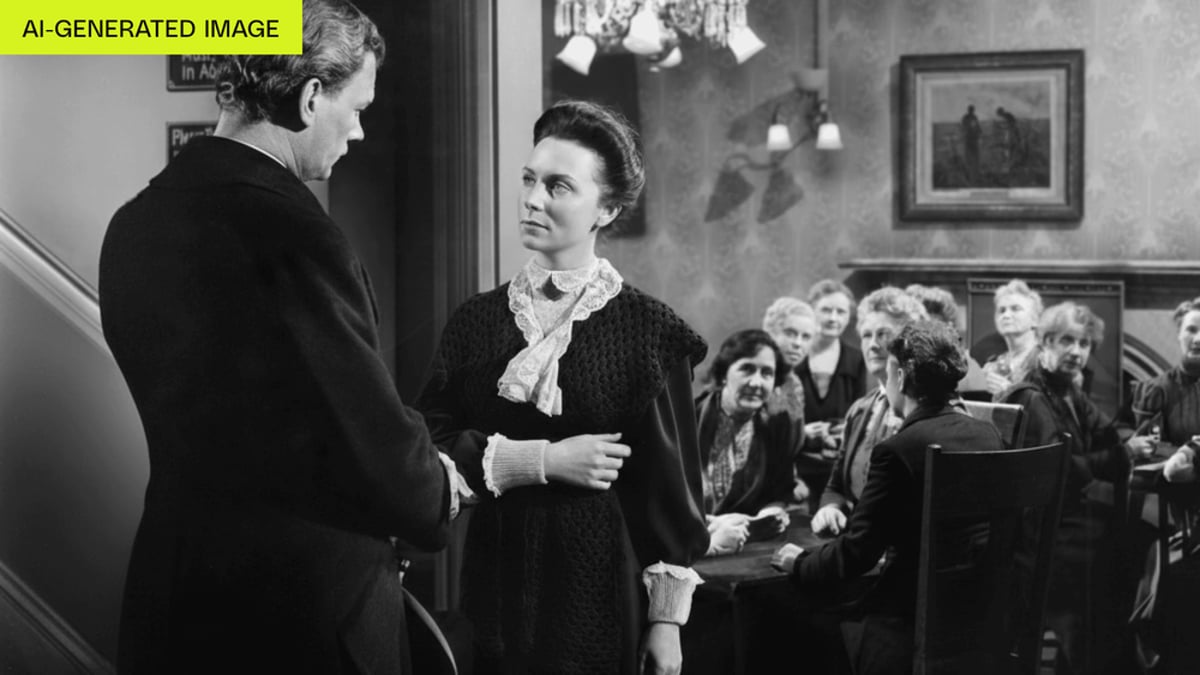
Showrunner is attempting something unprecedented in film history: using generative AI to recreate 43 minutes of lost footage from Orson Welles' masterpiece The Magnificent Ambersons. The startup's FILM-1 model aims to restore what many consider could have been the greatest film ever made, after RKO Studios destroyed the original negatives 80 years ago.
Showrunner, the AI startup that previously made headlines generating unauthorized South Park episodes, just dropped its most ambitious project yet. The company announced Friday it's using generative AI to recreate 43 minutes of lost footage from Orson Welles' The Magnificent Ambersons, potentially solving one of cinema's greatest mysteries.
The 1942 film represents Hollywood's most notorious case of studio interference. Welles originally crafted a 131-minute masterpiece about a wealthy family's decline during America's industrial revolution. But RKO Studios, frustrated with the director's perfectionism, slashed it to 88 minutes without his consent while he was editing The Lady from Shanghai. The studio's version earned four Oscar nominations, but Welles disowned it entirely. "They destroyed Ambersons and it destroyed me," he reportedly said.
What makes this particularly tragic is that RKO eventually destroyed the original negatives for storage space, erasing Welles' vision forever. Until now. Showrunner co-founder Edward Saatchi believes his company's FILM-1 model can bridge that 80-year gap. "We're getting closer to prompting entire films with AI," Saatchi told The Hollywood Reporter, though he admits current AI "can't sustain a story beyond one short episode."
The technical approach combines cutting-edge AI with traditional filmmaking techniques. Showrunner's FILM-1 model generates keyframes for missing scenes based on Welles' detailed shooting notes and surviving set photographs. The company then uses live actors whose faces are digitally replaced with AI-generated versions of the original cast members. Tom Clive, the AI VFX artist behind recent Hollywood hits Alien: Romulus and Here, leads the face-swapping work after joining from Metaphysic.
Showrunner isn't the first to attempt an Ambersons restoration. Filmmaker Brian Rose spent years creating hand-drawn animation reconstructing lost scenes based on the shooting script and archival photos. Speaking to NPR in 2023, Rose described the challenge of populating scenes with characters as one of his biggest hurdles. He also worried about legal repercussions since Warner Bros. Discovery owns the IP rights, admitting his strategy was to "beg forgiveness later."
That legal minefield explains Showrunner's careful positioning. Unlike their previous ventures into copyrighted content, this project operates entirely non-commercially. Saatchi emphasizes the goal isn't profit but cultural preservation: "To see them exist in the world after 80 years of people asking 'might this have been the best film ever made in its original form.'" The company promises to hand over their restoration to Warner Bros. Discovery if the studio "sees a marketplace for it."
This represents a strategic pivot for Showrunner, which built its reputation on controversial AI-generated content. The startup previously created unauthorized South Park episodes using proprietary models, embracing a "move fast and break things" philosophy that mirrors Silicon Valley's disruptive ethos. But the Ambersons project signals an attempt at legitimacy, combining technical innovation with cultural stewardship.
The timing couldn't be more critical for AI in entertainment. As Amazon invests in Showrunner's parent company and studios grapple with AI's creative potential, projects like this could define how the technology integrates with traditional filmmaking. If successful, Showrunner won't just restore a lost masterpiece—it'll prove AI can enhance rather than replace human creativity.
The broader implications extend beyond one film. Hollywood sits on thousands of hours of lost footage, from destroyed negatives to incomplete projects abandoned mid-production. Showrunner's approach could unlock entire archives, giving audiences access to directors' original visions while creating new revenue streams for studios. The technology could also democratize film restoration, allowing smaller archives and film societies to reconstruct damaged works without Hollywood-level budgets.
Showrunner's Ambersons project represents more than just technical innovation—it's a test case for AI's role in cultural preservation. If the startup succeeds in recreating Welles' lost vision, it could revolutionize how we approach damaged or incomplete artistic works. But success depends on navigating complex copyright issues while proving AI can respectfully enhance rather than replace human creativity. The entertainment industry is watching closely, because the implications extend far beyond one 80-year-old film.